Make a local architecture documentary
Create a short local architecture documentary with an adult by interviewing neighbors, photographing buildings, recording narration, and editing clips to explore design.



Step-by-step guide to make a local architecture documentary
Architecture for Kids | Let's Get Started
Step 1
Pick a short focus for your documentary and write a fun title in your notebook.
Step 2
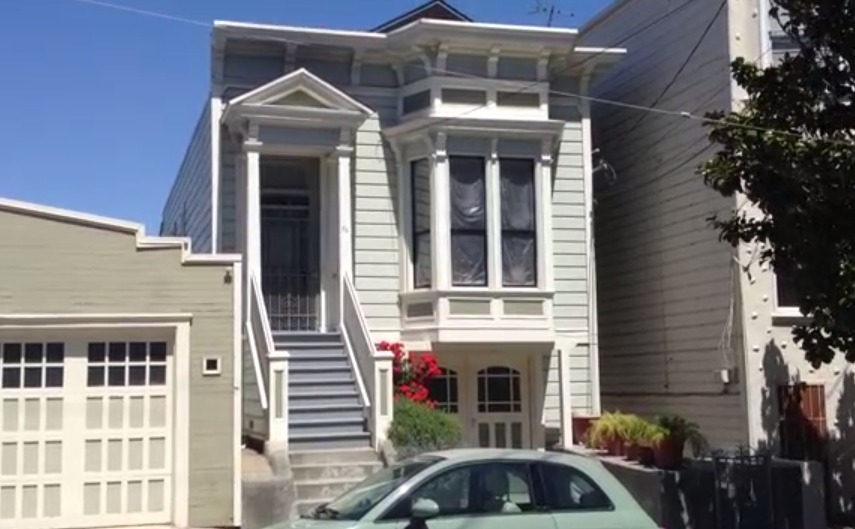
With an adult choose 3 to 6 nearby buildings you want to feature and mark them on your map.
Step 3
Write five simple interview questions on a page in your notebook.
Step 4
Practice asking your five questions out loud with an adult playing the neighbor.
Step 5
Ask a parent and the neighbors for permission to photograph and interview them.
Step 6
Walk with an adult to each building you marked on the map.
Step 7
Take a full photo of each building and then take one close-up photo of an interesting detail.
Step 8
Ask your five interview questions to a neighbor while an adult stays with you.
Step 9
Ask an adult to record the neighbor’s answers using a phone or recorder.
Step 10
Record short narration clips describing each photographed building (one sentence per building).
Step 11
With an adult assemble your photos the interview clips and your narration into a simple 2 to 4 minute movie.
Step 12
Add a title slide to the start of your movie.
Step 13
Add gentle background music or sound effects at low volume with an adult.
Step 14
Watch the finished film all the way through with an adult and save the final version.
Step 15
Share your finished creation on DIY.org.
Help!?
What can we use if we don't have a camera, phone, or recorder for the project?
If you don't have a phone or recorder for steps like 'Take a full photo,' 'take one close-up photo,' and 'Ask an adult to record the neighbor’s answers,' borrow an adult's smartphone for photos and audio or write the interview answers in your notebook and photograph those pages to include when you assemble your movie.
What should we do if a neighbor says no or the audio turns out too noisy?
If a neighbor refuses permission in 'Ask a parent and the neighbors for permission' or background noise ruins a clip, respect the refusal or move to a quiet spot and retake the audio, and if retakes aren't possible use your practiced narration clips and the building close-up photos when you assemble the movie.
How can we adapt the activity for younger or older children?
For younger kids, focus on 1–2 buildings with an adult helping to ask questions and do the editing in 'assemble your photos the interview clips and your narration,' while older kids can document 4–6 buildings, add researched architectural terms to their narration, conduct longer interviews, and edit a 3–4 minute film with a title slide and music.
How can we make the documentary more creative or personal after finishing the basic steps?
To enhance the finished film, add captions naming each building, include a simple map animation showing the route from your marked map, layer low-volume thematic background music as in 'Add gentle background music,' and then share the polished video on DIY.org.
Watch videos on how to make a local architecture documentary
🏛 Architecture for Kids | Types of Architecture | Twinkl USA
4 Videos
🏛 Architecture for Kids | Types of Architecture | Twinkl USA
Architecture Adventure: Crash Course Kids #47.2
Fun for children: How to make a town map
Who is an Architect? | What does an architect do? | Architecture for Kids | World Architecture Day
Facts about architecture and design for kids
🏛️ Göbekli Tepe in Turkey is one of the oldest known constructed sites — it's roughly 11,000 years old!
🎬 Nanook of the North (1922) is often called the first feature-length documentary — early docs sometimes mixed staged scenes with real life.
📷 Architectural photographers use tilt-shift and wide-angle lenses to keep building lines straight and make designs pop.
🗣️ Oral history interviews with neighbors can reveal personal stories and details about buildings that aren’t found in books.
✂️ Filmmakers often shoot 10–20 times more footage than they use — editing is where the story really takes shape.
How do I create a short local architecture documentary with my child?
What materials do I need to make a local architecture documentary?
What ages is this activity suitable for?
What are the benefits and safety tips for making a local architecture documentary?
