Make a history documentary
Create a short history documentary by researching a local event, writing a script, filming simple interviews or narration, and editing clips together.


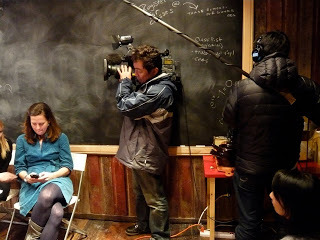

Step-by-step guide to make a short history documentary
How I Made an Animated History Documentary Using Only Canva & AI!
Step 1
Pick one local event or story you think is interesting to turn into a short history documentary.
Step 2
Choose three questions you want your documentary to answer about that event.
Step 3
Research the event using books or the internet and write three key facts in your notebook.
Step 4
Write a short script on index cards with a clear opening a middle section and a closing line.
Step 5
Make a simple shot list that names who to interview what to film and any special scenes you need.
Step 6
Collect printed photos props or costumes from home that help tell the story on camera.
Step 7
Practice reading your script out loud until the words sound natural and confident.
Step 8
Ask an adult to help you set up for filming and to be with you while you work.
Step 9
Ask permission from each person you want to interview before you start filming.
Step 10
Film short interviews or record your narration following the script you wrote.
Step 11
Film extra footage (B-roll) of places objects or props that show what you are talking about.
Step 12
Put your clips into an editing app arrange them to follow your script add a title card and simple background music then export the finished video and share your finished creation on DIY.org.
Help!?
What can we use if index cards, printed photos, or a paid editing app are hard to find?
Write your script on folded printer paper instead of index cards, photograph family photos or props with a phone to use as digital 'printed' photos, and edit on a free app like iMovie, Clipchamp, or an online slideshow maker to complete the 'put your clips into an editing app' step.
What should we do if interview audio is unclear or the child keeps stumbling over the script?
Follow the 'practice reading your script' step more, film interviews in a quiet room with the interviewer close or record the narration separately, and ask the adult helping with setup to record extra takes so you can replace bad clips during editing.
How can we change the project for younger or older kids?
For younger children, pick a very simple local story, use the three key facts and props for a 1–2 minute video with puppet-style interviews, and for older kids expand the research, create a detailed shot list, shoot more B-roll, and add a title card, background music, and credits in the editing app.
How can we extend or personalize our history documentary once it’s finished?
Enhance the project by adding local maps or archival images to your B-roll, composing a simple original intro music or adding subtitles, creating a custom title card and credits in the editing app, and then share the final video on DIY.org as instructed.
Watch videos on how to make a short history documentary
How to Make Viral History Documentaries Using Ai | YouTube Automation | Full Course
4 Videos
How to Make Viral History Documentaries Using Ai | YouTube Automation | Full Course
How to make a documentary for a school project
How to Make Documentary-Style Videos in Canva (History, Biography & More!)
Make EPIC History Videos With Video Express AI 2.0 (Easy Method)
Facts about documentary filmmaking for kids
🎬 The 1922 film Nanook of the North is often called the first feature-length documentary — and it was made about real people and places!
🗣️ Open-ended interview questions (like “How did that happen?”) usually lead to richer, longer stories than yes/no questions.
🕰️ Local libraries and old newspapers often hold photos and stories that go back 100+ years — perfect primary sources for a mini documentary.
✂️ Early film editors literally cut and spliced film strips by hand — today a phone app can do the same cuts and trims in minutes.
📚 Oral history recordings made now can become priceless records for future historians researching everyday life.
How do I make a short history documentary with my child about a local event?
What materials and tools do we need to create a kid-friendly history documentary?
What ages is making a short documentary suitable for?
What are the benefits of making a history documentary with kids and any safety tips?
