Make a Flower Arrangement
Make a simple flower arrangement using fresh flowers, a small vase, scissors, and water while learning about color, balance, and basic plant care.
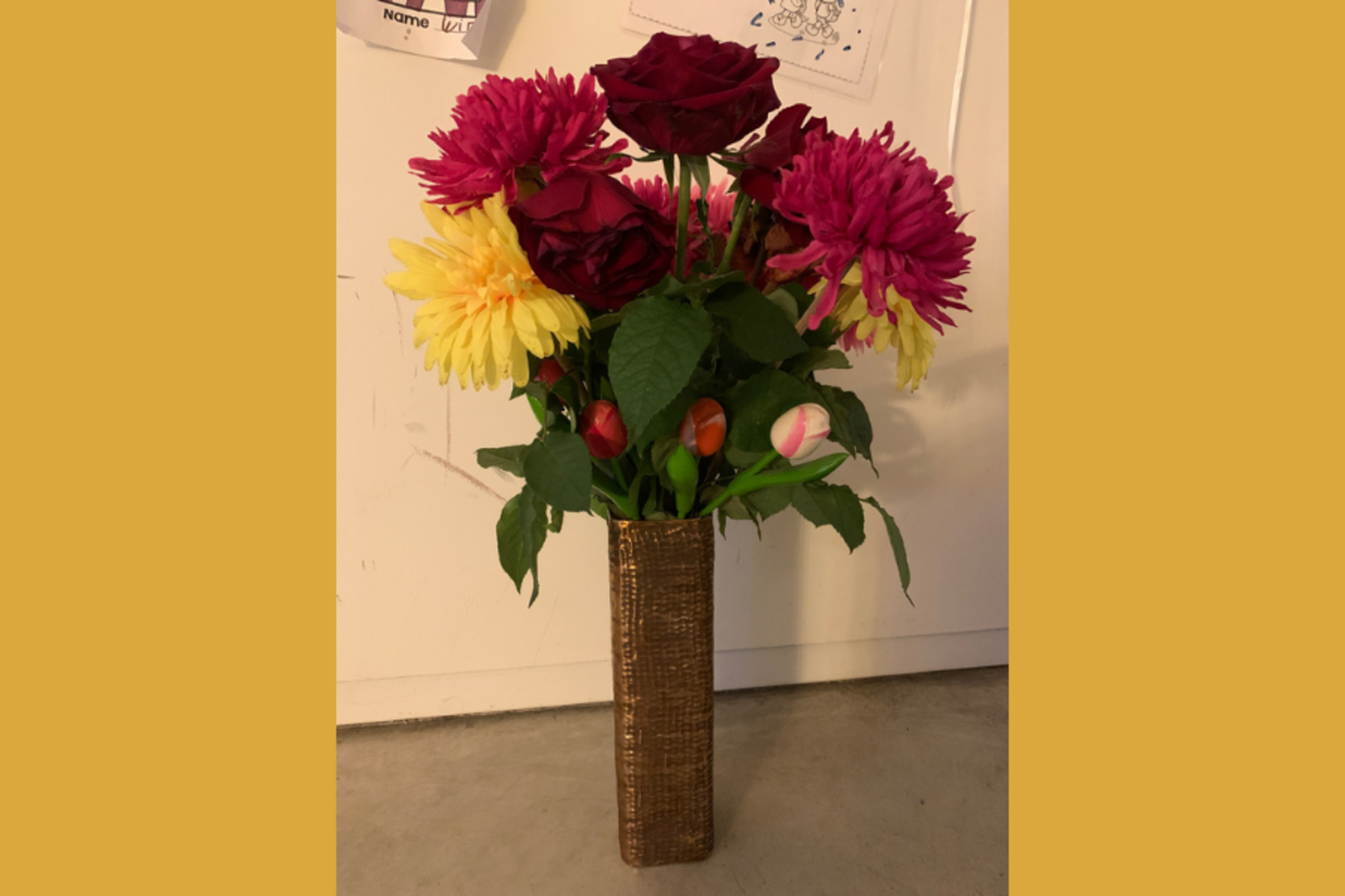
About this activity
Make a simple flower arrangement using fresh flowers, a small vase, scissors, and water while learning about color, balance, and basic plant care.
What you need
Step by step
- 1
Step 1
Gather your materials and bring them to a clear table or counter.
- 2
Step 2
Pick 3 to 6 flower stems with different colors and heights that you like.
- 3
Step 3
Cut each stem at a diagonal 45-degree angle to the length you want using scissors.
- 4
Step 4
Remove any leaves that would sit below the waterline on each stem.
- 5
Step 5
Fill the vase halfway with room-temperature water.
- 6
Step 6
Put the tallest flower into the vase first to be the center or back of your arrangement.
- 7
Step 7
Add the medium-height flowers around the tallest stem to start the shape.
- 8
Step 8
Tuck in smaller blooms or green bits to fill gaps and make the colors spread out evenly.
- 9
Step 9
Slowly turn the vase and look from all sides to see if the arrangement looks balanced.
- 10
Step 10
Move or shorten one stem at a time to fix any spots that look lopsided.
- 11
Step 11
Place your finished arrangement in a cool spot away from direct sunlight and drafts.
- 12
Step 12
Change the vase water every two days to keep the flowers fresh.
- 13
Step 13
Re-cut the stems at a 45-degree angle every two days and then share a photo of your finished creation on DIY.org.
Fun facts
How do I make a simple flower arrangement with my child?
To make a simple flower arrangement, choose a small vase and trim each stem at a 45° angle to improve water uptake. Remove leaves that would sit below the waterline, fill the vase with fresh water (add flower food if available), place one or two focal blooms, then add supporting flowers and greenery for balance and color. Rotate the vase as you work, refresh water every two days, and re-trim stems.
What materials do I need to make a kid-friendly flower arrangement?
You will need fresh flowers (a mix of focal and filler blooms), a small vase or jar, sharp scissors or pruning shears, clean water, and a towel or newspaper for mess. Optional items: floral food, greenery or filler stems, a small cup for arranging, and adhesive tape or pebbles to help hold stems. Always supervise children when using scissors and choose non-toxic flowers.
What ages is this flower arranging activity suitable for?
This activity works for a wide range: ages 3–5 can join with close adult help for choosing flowers and safe handling; ages 6–8 can trim stems with child-safe scissors and arrange simple bouquets; ages 9–12 can plan colors and balance more independently; teens can experiment with complex shapes and mechanics. Always match tasks to skills and supervise when sharp tools or small parts are used.
What are the benefits, safety tips, and variations for making flower arrangements with kids?
Making arrangements builds fine-motor skills, color recognition, creativity, and basic plant-care knowledge while offering sensory play through scent and texture. For safety, supervise scissors, remove leaves that fall into water, and avoid plants known to be toxic to children or pets. Variations: choose seasonal blooms, arrange by color gradients, collect greens on a nature walk, or make an easy mason-jar wildflower bouquet for younger children.
Watch & Learn
Need help?
What can we use if we don't have scissors or a vase listed in the instructions?
Use clean floral shears or a sharp kitchen knife to cut stems at the 45-degree diagonal and repurpose a clean jar, mug, or recycled bottle as the vase filled halfway with room-temperature water.
My flowers are wilting quickly—what step might I have missed and how do I fix it?
Wilting often happens when leaves sit below the waterline or stems weren't cut on a fresh 45-degree angle, so remove submerged leaves, re-cut each stem at a diagonal, and change the vase water every two days.
How can I adapt this activity for younger children or older kids?
Let younger children pick 3–6 stems and tuck in smaller blooms while an adult handles the 45-degree cuts, and challenge older kids to plan heights, balance the arrangement by slowly turning the vase, and share a photo on DIY.org.
How can we enhance or personalize the finished arrangement beyond the basic steps?
Personalize the arrangement by adding pebbles or marbles to adjust vase height, tying a ribbon around the vase, including fragrant herbs for scent, or creating a color theme and re-cutting stems every two days to extend freshness.