Learn a greeting in another language
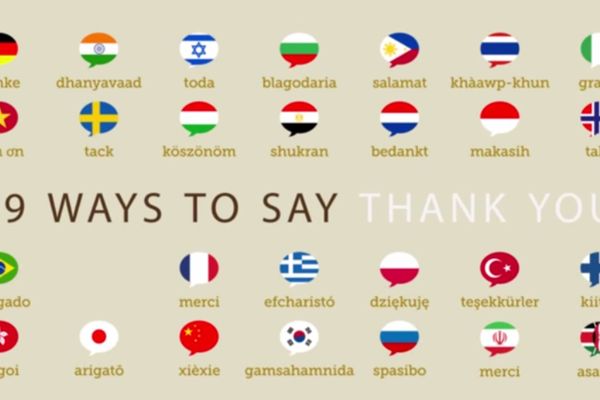
Learn and practice a simple greeting in another language, write its pronunciation and meaning, then perform it aloud for a friend or family member.
About this activity
Learn and practice a simple greeting in another language, write its pronunciation and meaning, then perform it aloud for a friend or family member.
What you need
Step by step
- 1
Step 1
Pick a language and one simple greeting you want to learn like "hello" or "good morning."
- 2
Step 2
Ask an adult or look in a book or online to find the greeting's correct spelling and pronunciation.
- 3
Step 3
Write the greeting on your paper in big clear letters.
- 4
Step 4
Write the pronunciation next to the greeting using simple sounds or syllables.
- 5
Step 5
Write the meaning of the greeting in one short sentence below it.
- 6
Step 6
Decorate the paper with colors or a drawing that matches the greeting or the country it comes from.
- 7
Step 7
Stand in front of the mirror so you can watch how your mouth moves when you speak.
- 8
Step 8
Say the greeting slowly three times while watching your mouth in the mirror.
- 9
Step 9
Say the greeting five times with feeling and try to copy the correct sounds and rhythm.
- 10
Step 10
Find a friend or family member to perform the greeting for.
- 11
Step 11
Perform the greeting aloud for them and tell them what it means.
- 12
Step 12
Ask them to repeat the greeting back or give you a thumbs up.
- 13
Step 13
Share your finished creation on DIY.org
Fun facts
How do you teach a child to learn and perform a simple greeting in another language?
Start by choosing a short, common greeting (like "hello" or "thank you") in the target language. Listen to a native-speaker recording together, then write the greeting, its phonetic pronunciation, and its English meaning. Practice aloud in short, playful sessions: use a mirror, take turns with family, and encourage repetition. Finish by having the child perform the greeting for a friend or family member and offer positive feedback and gentle corrections.
What materials do I need to help a child learn a greeting in another language?
You need a simple list or card with the chosen greeting, its phonetic spelling and translation, plus a device to play native-speaker audio (phone, tablet, or computer). Add paper and pens for writing, optional flashcards, a mirror for practicing facial movement, and a recorder if you want to play back the child’s attempt. A willing friend or family member to listen and respond rounds out the activity.
What ages is learning a simple greeting in another language suitable for?
This activity suits children aged about 4 and up. Preschoolers (4–6) enjoy short, repeated practice and need adult help with pronunciation. Early elementary kids (7–9) can write phonetics and meanings and practice independently with prompts. Older children and teens can explore cultural context, compare sounds, and perform confidently. Adapt complexity and session length to attention span and language familiarity.
What are the benefits of learning and performing a greeting in another language?
Learning a greeting builds language awareness, listening skills, and pronunciation practice, while boosting confidence through performance. It also fosters cultural curiosity and respect for other languages, sharpens memory and phonemic awareness, and encourages social interaction. Short, successful performances create positive learning experiences that motivate further study and help children feel comfortable speaking aloud in front of others.
Watch & Learn
Need help?
I don't have a mirror or colored markers—what can I use instead?
If you don't have a mirror, use a shiny spoon, window reflection, or your phone's front camera to watch how your mouth moves while speaking, and substitute colored pencils, crayons, stickers, or magazine cutouts when you decorate the paper.
I'm struggling to copy the sounds—how can I fix my pronunciation?
Play a short pronunciation audio or video from a trusted site as suggested in the 'ask an adult or look online' step, write the greeting broken into syllables on your paper, and record yourself while watching your mouth in the mirror to compare and improve before performing.
How can I change the activity for younger or older kids?
For preschoolers use one simple greeting with a big picture and a single mirror practice, for elementary follow the write-pronounce-repeat steps (write greeting, add pronunciation, say slowly three times, then five times), and for older kids add researching formal versus informal greetings, phonetic notes, and a short performance video to share.
How can we make this greeting project more interesting or unique?
Enhance your decorated paper by adding the country's flag and a short cultural fact, learn the typical response so you can perform a two-line dialogue, and record your mirror practice and final performance to share on DIY.org as a personalized video.