Journaling - That Fab Song You Love
Write a creative journal entry about your favorite song: summarize lyrics, describe feelings it inspires, draw imagery, and note why you love it.


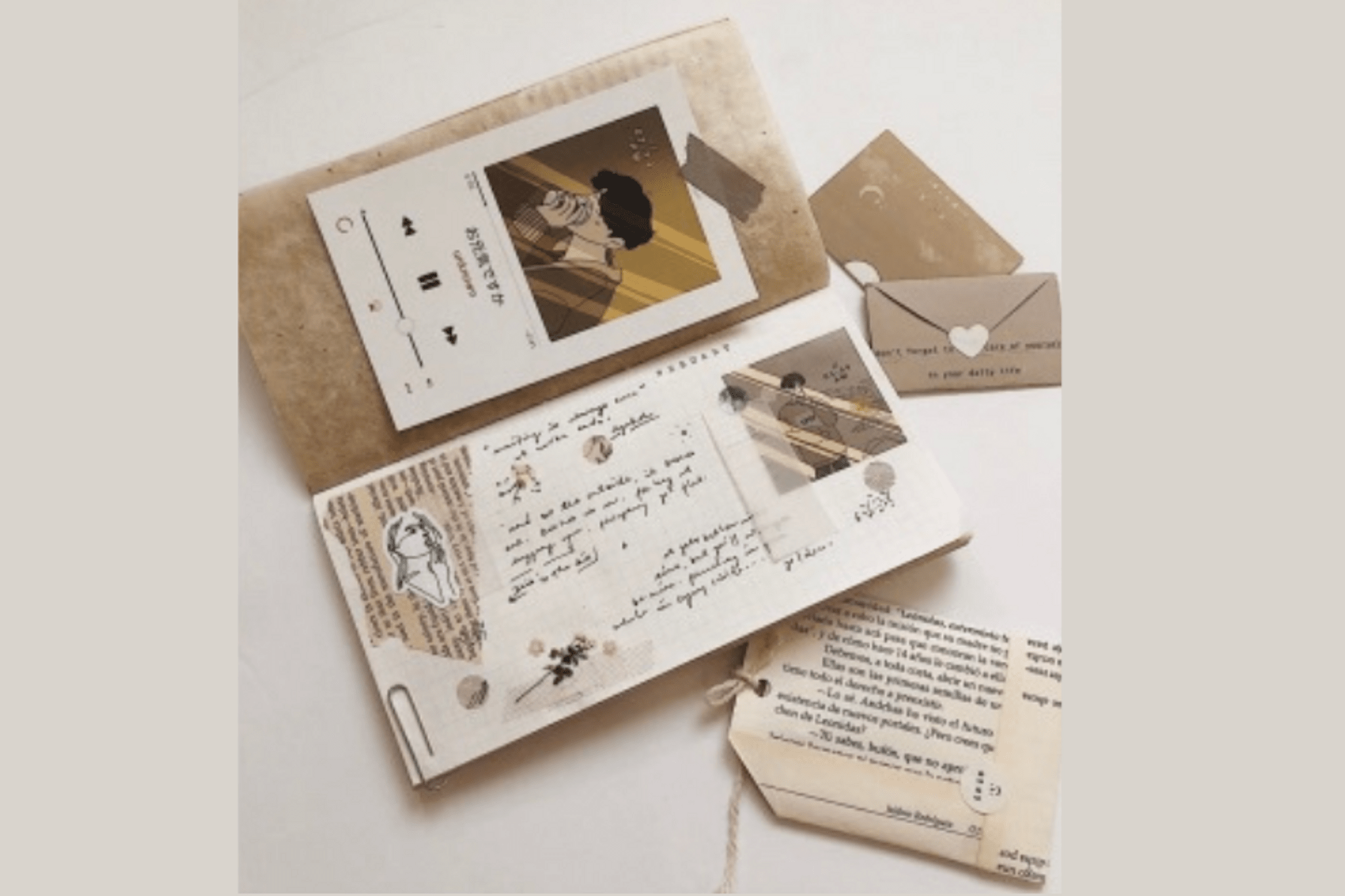

Step-by-step guide to journaling about That Fab Song You Love
Intro to Journal Writing for Kids (ELA) 🦋 Astrid's Journal Preface
Step 1
Choose your favorite song to write about.
Step 2
Find a quiet comfy spot to sit with your paper and pen.
Step 3
Play the song one time and listen carefully to the words and mood.
Step 4
Play the song again and write a short 2 to 4 sentence summary of the song's lyrics in your own words.
Step 5
Pick one to three favorite lines or words from the song and write them down exactly as they are.
Step 6
Write three to five sentences describing the feelings the song gives you and why it makes you feel that way.
Step 7
Draw a picture that shows the scene colours or characters the song makes you imagine.
Step 8
Around your drawing write sensory words that describe sounds smells textures or tastes the song reminds you of.
Step 9
Write a short paragraph explaining why you love this song and when you like to listen to it.
Step 10
Write a title for your journal entry and add today's date at the top of the page.
Step 11
Decorate your page with colours stickers or tape to make it look fun and finished.
Step 12
Share your finished journal entry on DIY.org.
Help!?
What can we use instead of stickers or decorative tape if we don't have them?
If you don't have stickers or tape, decorate the page using colored pencils, markers, magazine cutouts glued with school glue, or small fabric scraps as substitutes for the 'Decorate your page with colours stickers or tape' step.
I get distracted and can't write the 2–4 sentence summary after listening — what should I do?
Follow the 'Play the song one time' and 'Play the song again and write a short 2 to 4 sentence summary' steps using headphones, pause and replay tricky parts, or jot quick bullet words during the first play to help you assemble the summary.
How can we change this activity for younger children or older teens?
For younger kids, shorten the summary to one sentence, let them pick one favorite line and focus on the drawing and sensory words from the 'Draw a picture' and 'Around your drawing write sensory words' steps, while older teens can write a longer analysis paragraph about lyrics and moods and expand the 'Write a short paragraph explaining why you love this song' step.
How can we extend or personalize the journal entry beyond what's listed?
Extend the activity by recording a short audio or video of yourself explaining the 'why you love this song' paragraph, adding a collage to your drawing, or creating a themed playlist to share along with the photo when you 'Share your finished journal entry on DIY.org'.
Watch videos on how to journal about That Fab Song You Love
How to Teach Songwriting to Kids | Music Education Resources
4 Videos
How to Teach Songwriting to Kids | Music Education Resources

Journal Writing for Kids How to Write a Paragraph
How to Write a Journal Entry…for Kids!
Journal Writing / How To Write A Good Journal Entry / Summer Learning / English for Kids & Beginners
Facts about music-inspired journaling
🎵 The Hurrian Hymn No. 6, written around 1400 BCE, is the oldest surviving notated song we know.
🕒 Most modern pop songs last about three minutes, a length that became standard because of early recording limits.
❤️ A single song can instantly bring back vivid memories and emotions — that's called music-evoked autobiographical memory.
✍️ Writing about your feelings—like journaling about a favorite song—helps people understand emotions and can lower stress.
🖼️ Song lyrics often use imagery and metaphor just like poems, so journaling about the images in a song is a creative exercise.
How do I guide my child to write a creative journal entry about their favorite song?
What materials do we need for the 'That Fab Song You Love' journaling activity?
What ages is the song-journaling activity suitable for?
What are the benefits of journaling about a favorite song?
