Invent a Party Game
Design and test an original party game with friends: create rules, simple props, scoring, and try rounds while improving it based on feedback.


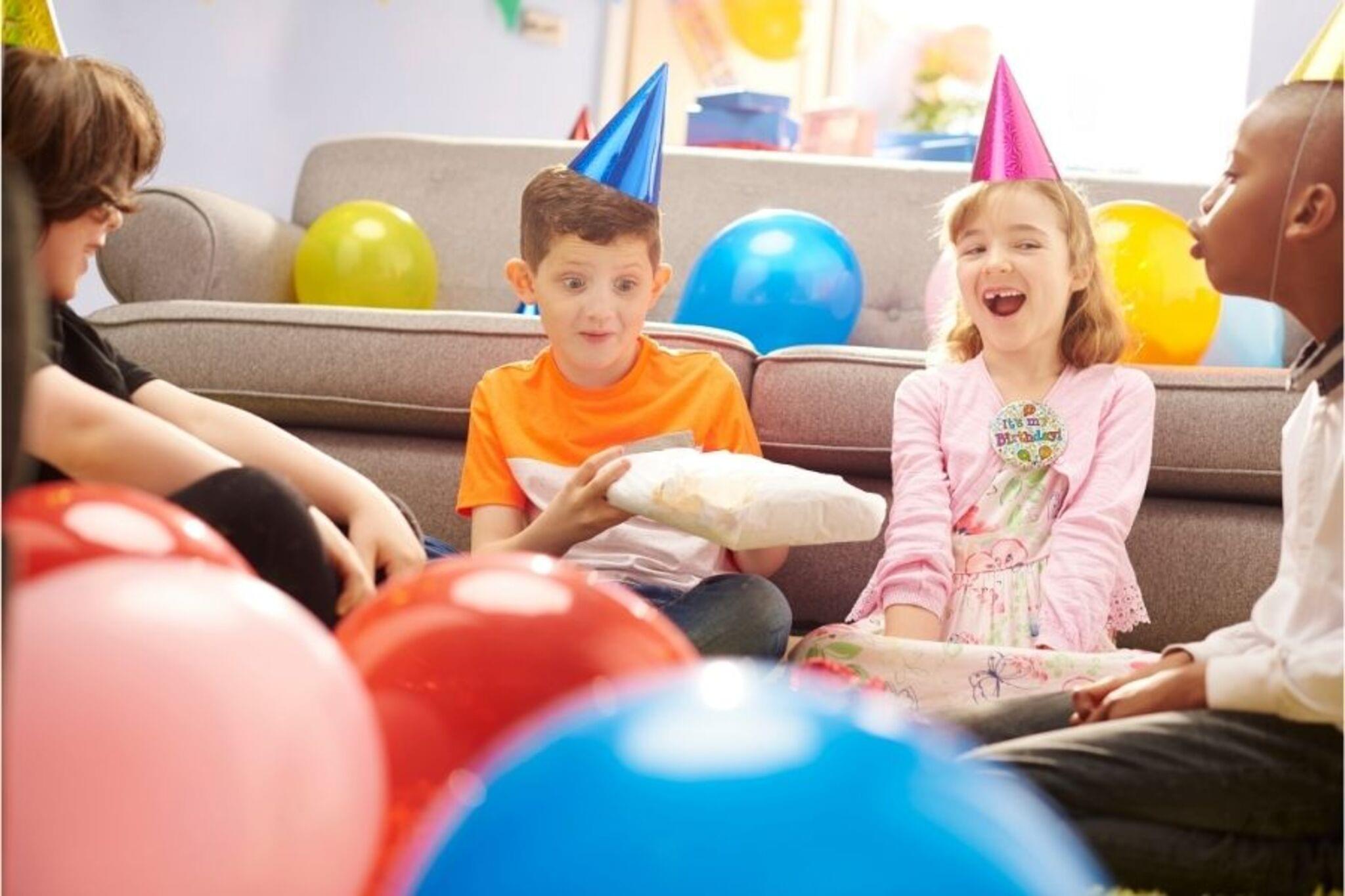

Step-by-step guide to invent a party game
21 Amazing Birthday Party Games for Kids | Children Games to play in Party | Indoor Games for Party
Step 1
Choose a fun party theme for your game.
Step 2
Decide how many friends will play with you.
Step 3
Think of three simple game ideas that match your theme.
Step 4
Pick your favorite idea from the three.
Step 5
Write the game's rules clearly on paper.
Step 6
Create a scoring system and a clear winning condition.
Step 7
Gather the small props your game needs from around the house.
Step 8
Make any paper props labels or a scoreboard using colouring materials and tape.
Step 9
Explain the rules to your friends before you start playing.
Step 10
Run one timed test round while following your rules exactly.
Step 11
Ask each friend for one piece of feedback after the round.
Step 12
Write each feedback note on a sticky note and stick them in one place.
Step 13
Change one rule or one prop based on the feedback you collected.
Step 14
Run a second test round to try your improvement.
Step 15
Share your finished creation on DIY.org
Help!?
What can we use instead of sticky notes, tape, or colouring materials if we can't find them?
Cut regular paper into small squares for feedback notes, attach paper props with paperclips or glue instead of tape, and color labels or the scoreboard with crayons, pencils, or even felt-tip pens when making paper props and the scoreboard.
What should we do if players don't understand the rules or the scoring system during the test round?
If players are confused, pause the timed test round, read the written rules you prepared, show the paper scoreboard and an example turn, then simplify or rewrite the unclear scoring steps on the rules paper before trying again.
How can we change the activity for younger kids or older kids?
For younger children, pick the simplest of your three game ideas, use picture-based rules and a low-point scoring system with fewer props, while for older kids add extra rule layers, detailed scoring, and tougher timed challenges using the same household props.
How can we make the game more exciting or personal before sharing it on DIY.org?
Decorate props and the scoreboard to fit your chosen theme, assign team roles or custom prizes based on the sticky-note feedback, record a short video of the improved second test round, and include photos of your themed props when you share on DIY.org.
Watch videos on how to invent a party game
7 FUN GAMES TO PLAY OUTSIDE FOR KIDS! END OF SCHOOL YEAR PARTY IDEAS!
4 Videos

7 FUN GAMES TO PLAY OUTSIDE FOR KIDS! END OF SCHOOL YEAR PARTY IDEAS!
10 Fun & Unique Party Games for Kids & Adults 🎉 | Indoor & Outdoor Game Ideas
15 FUN Games for Kids | NO SUPPLIES REQUIRED
10 FUN OUTDOOR PARTY GAMES for KIDS (Perfect for Summer Camp)
Facts about game design for kids
🎭 Charades started as a French parlor game where players acted out words or syllables for others to guess.
✏️ Pictionary was invented in 1985 by Robert Angel after a long night of drawing with friends.
⏱️ The best party games usually have rules that can be explained in under one minute — quick rules keep the energy flowing.
👥 Playtesting with just 3–5 friends often reveals the most important balance and fun problems early.
♻️ Many game designers prototype using paper, markers, and household items before making final props.
How do I help my child design and test an original party game with friends?
What materials do we need to invent a party game at home?
What ages is this party game activity suitable for?
What are the benefits of designing and testing party games (and safety tips)?
