Invent a creature with LEGO®
Design and build an original LEGO® creature using bricks, movable joints, and colors; name it, describe habitat and special abilities through creative storytelling.




Step-by-step guide to invent a creature with LEGO®
How to Build a Simple LEGO Elephant - Kids DIY 2020
Step 1
Gather all the materials from the list and bring them to your workspace.
Step 2
Find a flat well-lit table or floor space to build on.
Step 3
Think of a cool idea by mixing animals machines or imaginary things for your creature.
Step 4
Draw a quick sketch on paper showing the body shape where joints go and what colors you want.
Step 5
Sort your LEGO pieces by color and by the pieces you will use for joints and structure.
Step 6
Build the main body of your creature using plates and bricks to make a solid core.
Step 7
Attach the Technic or hinge pieces where you want the head limbs or tail to move.
Step 8
Build and connect the legs arms wings or tail to the body using the movable joints.
Step 9
Add eyes mouth spikes or other special features using small bricks and plates.
Step 10
Decorate your creature with the colors and patterns from your sketch.
Step 11
Test the joints and adjust any loose pieces so your creature can move safely.
Step 12
Give your creature a name and write a short description of its habitat and special abilities on your paper.
Step 13
Share your finished LEGO creature on DIY.org with adult help if needed.
Help!?
What can we use instead of Technic or hinge pieces if we can't find them?
If you don't have Technic or hinge pieces (step 'Attach the Technic or hinge pieces where you want the head limbs or tail to move'), use bricks with clips or ball-and-socket elements, short axles with bushings, or stacked plates with flexible clips to make movable joints.
My creature's limbs are floppy—how do I fix loose joints?
During 'Test the joints and adjust any loose pieces so your creature can move safely', tighten floppy limbs by adding Technic pins and bushings, sandwiching hinges between extra plates for more friction, or swapping single-stud connections for clip-and-bar assemblies.
How can I adapt this activity for younger or older kids?
For younger children simplify 'Sort your LEGO pieces by color' and 'Build the main body' using larger Duplo or big plates and pre-made eyes, while older kids can follow the sketch to add Technic axles and complex movable joints and write a longer habitat and abilities description.
How can we make the creature more impressive or personal after finishing the basic build?
Enhance your creature by decorating it with the colors and patterns from your sketch, adding LED lights or a Powered Up motor to Technic axles for motion, creating a paper or cardboard habitat that matches the 'short description', and photographing it to share on DIY.org.
Watch videos on how to invent a creature with LEGO®
10 Sea Creatures You Can Make With 10 Lego Pieces (Easy to build Lego ocean animals by Gold Puffin)
4 Videos
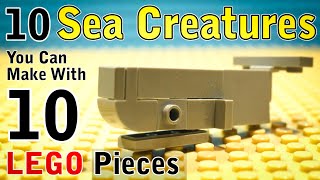
10 Sea Creatures You Can Make With 10 Lego Pieces (Easy to build Lego ocean animals by Gold Puffin)
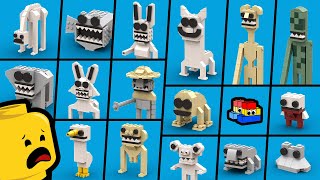
LEGO Zoonomaly: How to Build Every Monster
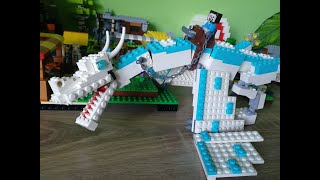
HOW to build Lego DRAGON using BASIC pieces / INSTRUCTIONS available
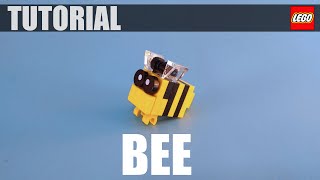
How to Build: a Lego Bee | Tutorial Video (HD)
Facts about LEGO building for kids
🧱 LEGO has produced more than 600 billion bricks since 1958 — enough to build lots of giant creatures!
🧍♂️ The modern LEGO minifigure first appeared in 1978 and there are now thousands of different minifigure designs.
🦎 Biomimicry is when designers copy nature — animal features like wings, suction toes, or camouflage inspire cool creature parts.
🎨 LEGO comes in dozens of official colors — picking the right palette can make your creature look friendly, spooky, or magical.
📖 Naming your creature and describing its habitat turns a build into a story, boosting imagination and creative writing skills.
How do you design and build an original LEGO® creature?
What materials do I need to invent a LEGO® creature?
What ages is this LEGO® creature activity suitable for?
What are the benefits of inventing creatures with LEGO®?
