Improvise and Act with Your Puppet
Make a simple hand puppet, improvise short scenes, practice voices and movements, and perform a mini-show to build storytelling confidence.
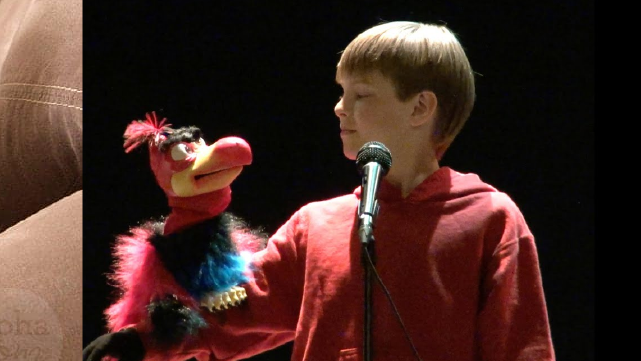
About this activity
Make a simple hand puppet, improvise short scenes, practice voices and movements, and perform a mini-show to build storytelling confidence.
What you need
Step by step
- 1
Step 1
Choose whether you want to make your puppet from an old sock or a paper bag.
- 2
Step 2
Gather all the materials and put them where you can reach them easily.
- 3
Step 3
Put your hand into the sock or open the paper bag and feel where the puppet’s mouth should go.
- 4
Step 4
Cut a mouth shape from felt or paper using scissors.
- 5
Step 5
Glue the mouth shape onto the puppet where your hand makes the mouth.
- 6
Step 6
Attach googly eyes or buttons with glue or tape to make the puppet’s face.
- 7
Step 7
Glue yarn or ribbon on top to make hair.
- 8
Step 8
Decorate the puppet’s body with colouring materials and fabric scraps to make clothes or patterns.
- 9
Step 9
Let any glue or wet decorations dry before you play.
- 10
Step 10
Put the finished puppet on your hand and make the mouth move with your fingers.
- 11
Step 11
Try three different voices for your puppet and pick one you love.
- 12
Step 12
Practice moving the puppet to show three emotions like happy sad and surprised.
- 13
Step 13
Write two short one-sentence scene ideas for your puppet to act out.
- 14
Step 14
Rehearse a 2 to 3 minute mini-show using one scene idea and your puppet’s voice and movements.
- 15
Step 15
Perform your mini-show for a family member or friend and then share your finished puppet and a short description of your show on DIY.org.
Fun facts
How do you improvise and act with a homemade hand puppet?
Start by making a simple hand puppet from a sock, paper bag, or felt. Put the puppet on and warm up with faces and voices. Give fun prompts (lost toy, rainy day) and improvise short 1–2 minute scenes. Practice distinct voices and exaggerated movements—head turns, arm gestures, pauses. Rehearse a mini-show with 2–3 short scenes, add simple props, and invite family to watch to build storytelling confidence.
What materials do I need to make a puppet and perform a mini-show?
You can use a clean sock, paper bag, or felt for the puppet body; craft glue, fabric markers, googly eyes or buttons, and yarn for hair. Scissors, tape, and scrap fabric or foam work well. Optional: a cardboard box stage, popsicle sticks for props, a marker for quick prompts, and a small flashlight for stage lighting. Most items are low-cost and adult supervision is recommended for scissors or small parts.
What ages is puppet improvisation suitable for?
Puppet making and simple improv suit ages 3–10. Younger children (3–5) enjoy sensory play and simple one-line prompts with adult help. Ages 6–8 can try short scenes and voice changes with gentle guidance. Older kids (9–10+) can develop characters, longer improv games, and basic staging. Adjust complexity, session length (10–20 minutes for younger kids), and supervision based on attention span and fine-motor skills.
What are the benefits of making and acting with puppets?
Puppet play builds storytelling, language, and social skills while boosting confidence. Children practice expressive voices, body language, problem solving, and emotional understanding by role-playing different characters. It strengthens fine motor skills from crafting and sequencing from improvisation. Performing a mini-show encourages public speaking in a low-pressure way and fosters creativity, cooperative play, and self-esteem as kids receive supportive feedback from family.
Watch & Learn
Need help?
What can I use instead of googly eyes, felt, or yarn if I can't find them?
Use buttons or punched paper circles or draw eyes with a marker, cut the mouth from construction paper or scrap fabric instead of felt, and glue on ribbon, string, or pipe cleaners for hair to follow the 'cut a mouth shape', 'glue the mouth shape', and 'glue yarn or ribbon' steps.
My puppet's mouth or decorations keep falling off—what should I do?
If the mouth or decorations won't stick, press glued pieces firmly for a minute, let them dry on a flat surface as instructed in 'let any glue or wet decorations dry', use stronger craft glue or double-sided tape for buttons and googly eyes, and trim shapes slightly smaller so the mouth fits where your hand makes the mouth.
How can I adapt the activity for different ages?
For preschoolers use a paper bag, pre-cut the mouth and eyes and let them color with crayons while an adult handles scissors and glue, and for older kids use an old sock, sew or hot-glue fabric clothes, create three distinct voices, write two scene ideas, and rehearse the full 2–3 minute mini-show to share on DIY.org.
How can we extend or personalize the puppet show after making the puppet?
Make additional puppets for other characters, build a cardboard stage, add simple sound effects or a recorded backing track for the 2–3 minute mini-show, and personalize costumes with fabric scraps or LED stickers before performing for a family member and posting on DIY.org.