Imagine Having a Superpower? What Would it Be?
Design and make a superhero mask and a short comic showing your imagined superpower, then explain how you would use it to help others.


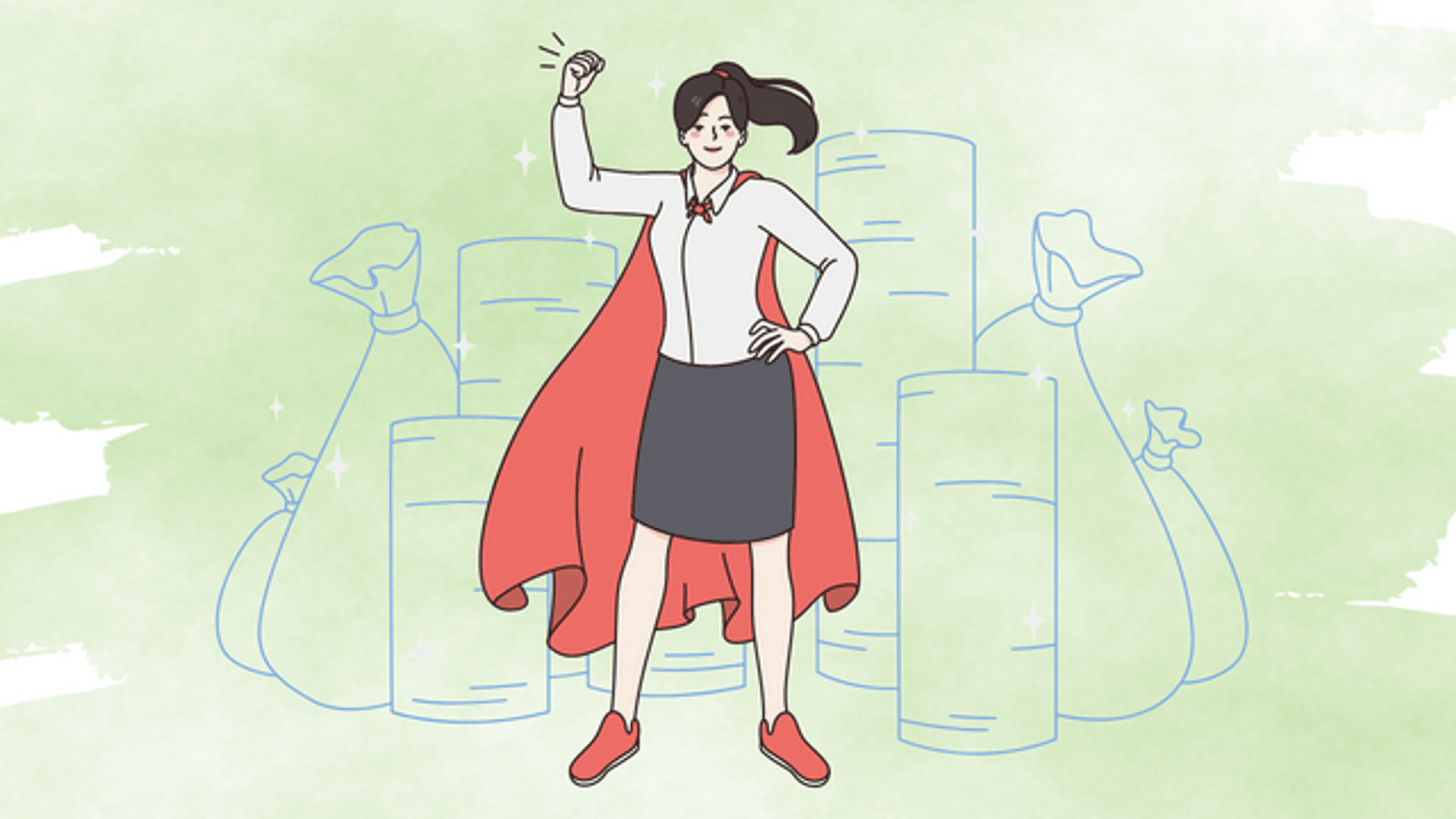

Step-by-step guide to Imagine Having a Superpower? What Would it Be?
If I Was a Superhero | Fun Kids Song About Superpowers, Helping Others & Imagination for Children
Step 1
Choose one superpower you would love to have.
Step 2
Write the name of your superpower at the top of a small paper.
Step 3
Write one short sentence explaining how you would use that superpower to help others.
Step 4
Place cardboard or construction paper on a flat surface and trace a mask shape with your pencil.
Step 5
Cut out the mask shape carefully with scissors.
Step 6
Mark and cut eye holes in the mask so you can see while wearing it.
Step 7
Decorate the mask using colouring materials and stickers to show your superpower’s look.
Step 8
Attach an elastic band or string to each side of the mask using tape or by punching holes and tying so it fits your head.
Step 9
Decide a simple three-part comic story: a problem someone has then you using your power and then how people are helped.
Step 10
Draw three comic panels on a sheet of paper and illustrate the problem the hero faces the use of your superpower and the helping outcome.
Step 11
Add captions speech bubbles and sound effects to each panel to tell the story clearly.
Step 12
Give your comic a title that names your power and explains how it helps others.
Step 13
Put on your mask and practice telling the comic story out loud one time.
Step 14
Share your finished mask and comic on DIY.org
Help!?
What can I use instead of cardboard or an elastic band if I don't have them?
Use a clean cereal box or a paper plate for the mask base and substitute ribbon, a shoelace, or a soft headband that you can tape or tie through punched holes in place of the elastic band.
My mask eye holes or elastic keep ripping—how can I fix that?
If eye holes become too large or uneven, retrace the mask on a spare cereal-box layer or reinforce the cut edges with clear tape before recutting, and secure the elastic by punching holes, knotting the string inside, or using strong tape so it doesn't pull out.
How can I adapt the activity for younger or older kids?
For preschoolers, have an adult pre-cut the mask shape, punch holes, and help them decorate and tell a two-panel version of the comic, while older kids can draw five panels, add detailed captions and sound effects, and practice performing the full three-part story in the mask.
What are easy ways to improve or personalize the mask and comic?
Enhance the decorated mask by adding stickers, glitter, or glued-on fabric and reinforcing it with extra cardboard or tape, make pop-up or flip-up features in the comic panels, and record a short video of your performance to share on DIY.org.
Watch videos on how to Imagine Having a Superpower? What Would it Be?
Read Aloud + Animated Kids Book: What's My Superpower?! | Vooks Narrated Storybooks
4 Videos
Read Aloud + Animated Kids Book: What's My Superpower?! | Vooks Narrated Storybooks
Superheroes & Super Powers | Wiki for Kids at Cool School
Kids Fun TV Superhero Compilation Video: Shazam, The Flash VS Superman! Superhero Race In Real Life!
The Superpower of Yet: Growth Mindset For Kids | Growth Mindset Education | Twinkl USA
Facts about character design and comic-making
🦸♂️ Superman debuted in Action Comics #1 in 1938 and helped define the modern superhero we know today.
📚 Comic books tell stories through sequential panels and speech bubbles — picture + words = adventure!
🎭 Masks have been used in storytelling for over 2,000 years, like in Ancient Greek theatre to show different characters.
🧑🎤 Cosplay (costume + play) is a global fan activity where people make and wear costumes to become characters.
🤝 Designing a superhero encourages thinking about empathy — great powers in stories are often used to help others.
How do I do the 'Imagine Having a Superpower' activity with my child?
What materials do I need to make a superhero mask and comic?
What ages is the 'Imagine Having a Superpower' activity suitable for?
What are the benefits, safety tips, and variations for this superhero mask and comic activity?
