How to draw bingo - a free bingo drawing guide
Draw and decorate a custom 5 by 5 bingo card with numbers or pictures, practice grid skills, patterns, and play rounds to observe probabilities. Download the PDF for complete instructions.


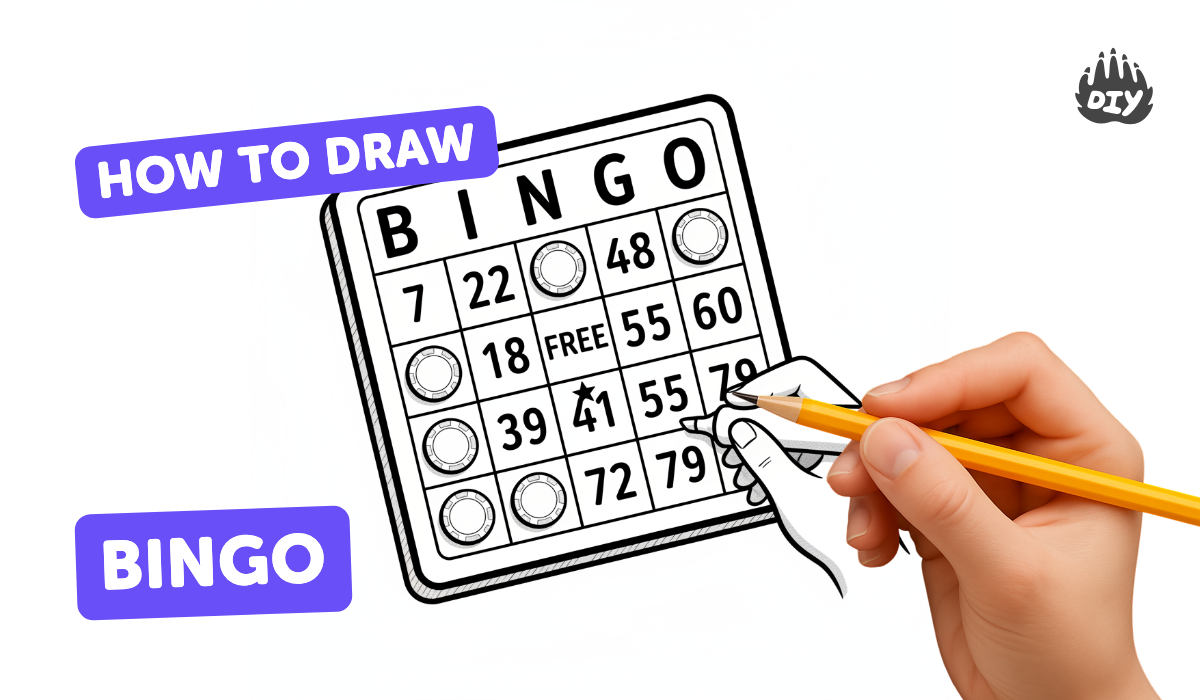
Step-by-step guide to draw a custom 5 by 5 bingo card
Drawing Bingo | Easy Step-by-Step Tutorial for Kids
Step 1
Gather all the materials and find a flat table to work on.
Step 2
Use your ruler and pencil to draw a large square about the size of a sheet of paper.
Step 3
Measure and mark five equal points along each side of the square so the grid lines will be even.
Step 4
Draw four straight vertical lines connecting the top and bottom marks to create five columns.
Step 5
Draw four straight horizontal lines connecting the left and right marks to create five rows.
Step 6
Choose whether your bingo card will use numbers or pictures and decide the number range or picture theme.
Step 7
Write your choice at the top of the card so players know the rules.
Step 8
Fill each non-center square with a unique number from your range or draw a different picture in each square.
Step 9
Write FREE or draw a special free-picture in the center square to make the middle a free space.
Step 10
Decorate your card with colours patterns and fun designs so it looks awesome.
Step 11
Cut many small pieces of paper to make caller tokens for every number or picture you might call.
Step 12
Write each number or picture name on a separate token and fold each token so they are ready to mix.
Step 13
Put all the folded tokens into the container and shake them to mix the choices.
Step 14
Play at least five rounds by drawing tokens one at a time calling them and marking your card until someone gets five in a row.
Step 15
Share your finished bingo card and what you learned about how often bingos happened on DIY.org
Help!?
What can we use if we don't have a ruler or pre-made caller tokens?
Use any straight-edged book or the long side of a cereal box to draw the grid lines and use folded scrap paper, coins, or stickers as caller tokens instead of cutting special pieces of paper.
My grid lines look uneven — how can I fix them?
Fold the sheet to divide each side into five equal parts to transfer accurate marks, lightly pencil the four vertical and four horizontal guide lines, then retrace them firmly and erase the folds so the rows and columns are even.
How can I adapt this activity for younger or older kids?
For younger children make larger squares and use pictures with pre-cut caller tokens and parental calling, while older kids can use larger number ranges, math rules for calls, design themed cards, and record bingo frequency over five or more rounds.
How can we make the bingo game more exciting or personalized?
Let kids decorate cards with names and themes, create matching custom caller tokens, play extra rounds while recording results on a simple chart to analyze how often bingos happened, and offer small prizes for different bingo patterns.
Watch videos on how to draw a custom 5 by 5 bingo card
How To Draw Bingo Easy | Bingo Drawing Easy
4 Videos
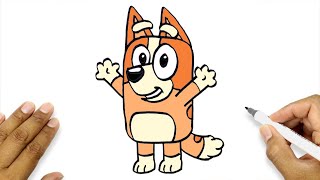
How To Draw Bingo Easy | Bingo Drawing Easy
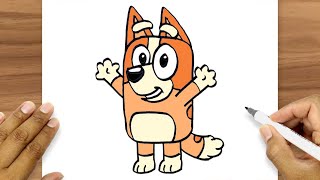
How To Draw Bingo | Bingo Drawing Easy
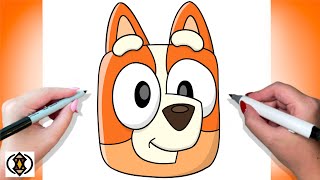
How To Draw Bingo For Beginners | Cute Easy Bluey Drawing Tutorial
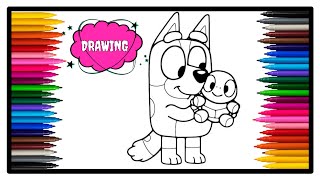
How to Draw Bluey's Bingo | Simple and Fun Drawing for Kids | Draw Bingo from Bluey step by step
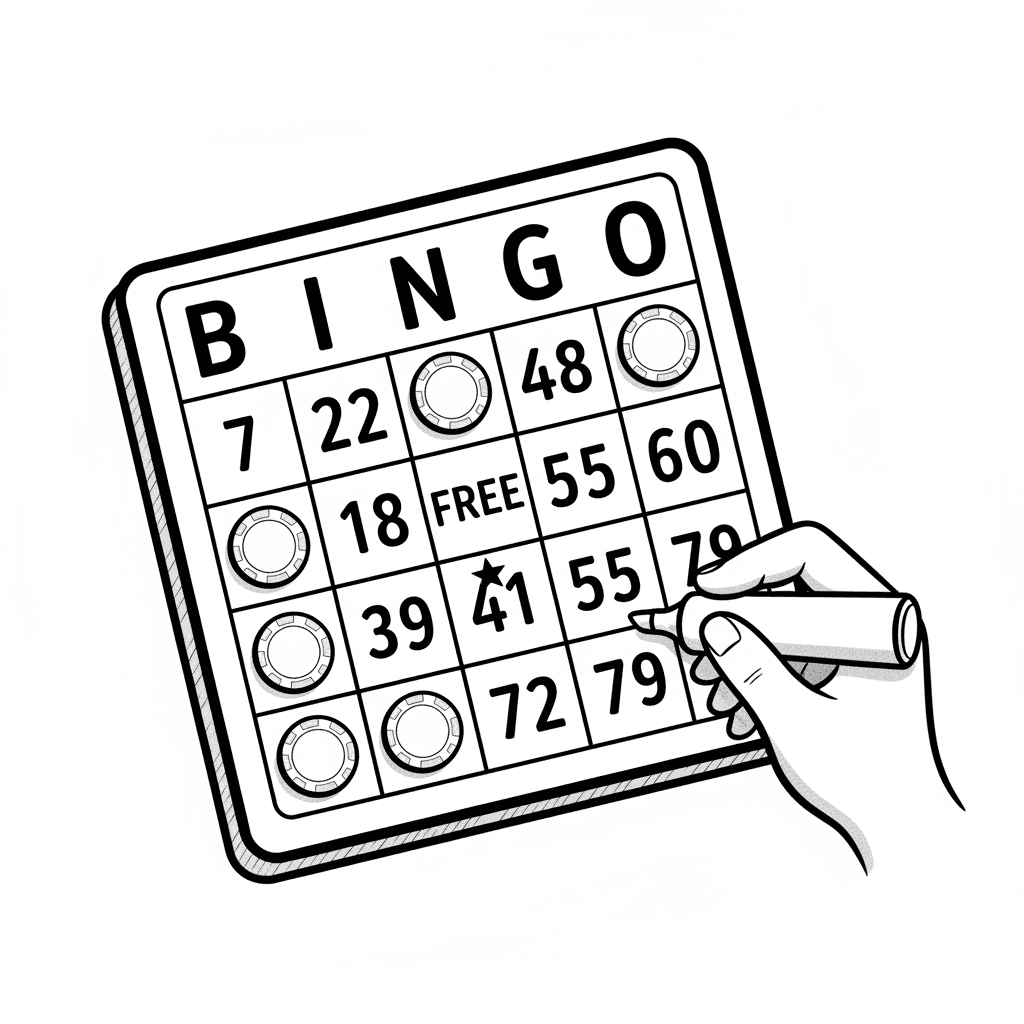
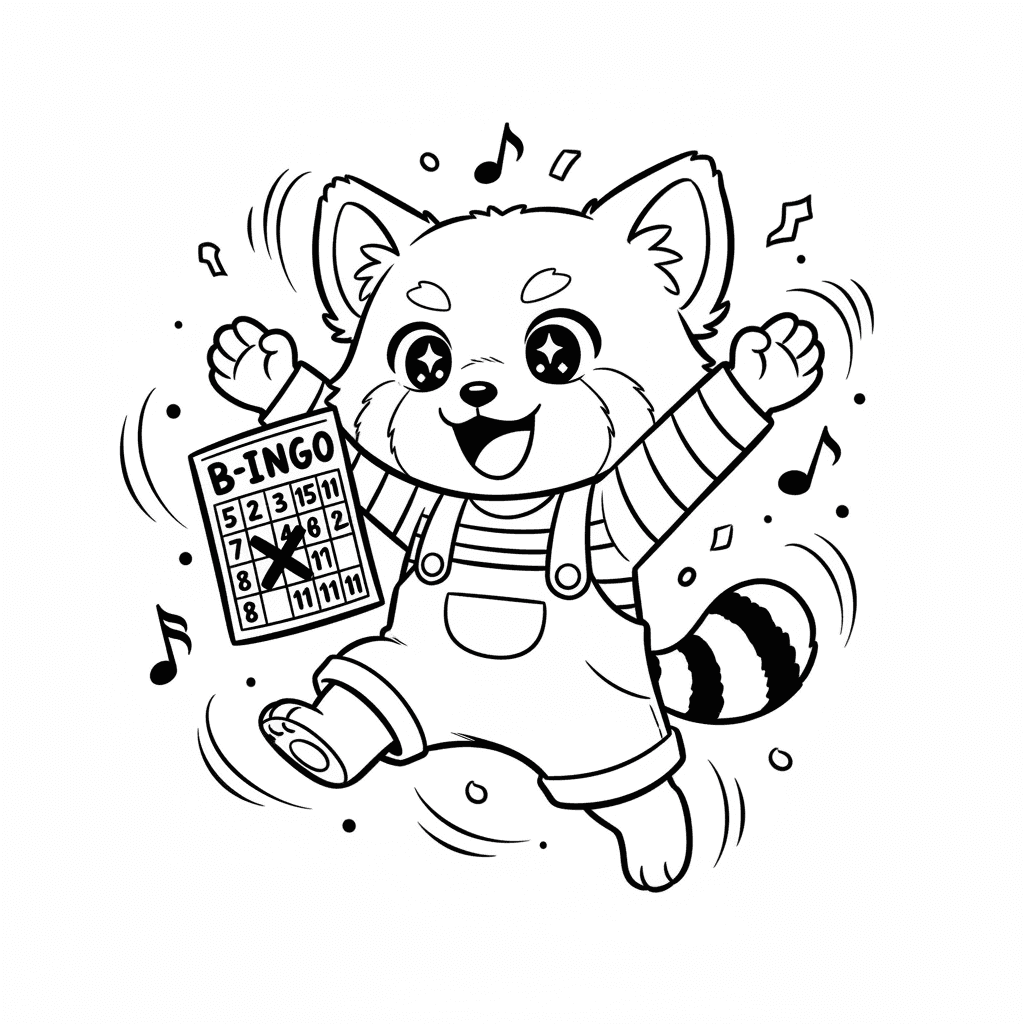
Photos of custom 5 by 5 bingo card examples
Facts about math games and probability
🎲 A standard bingo card is a 5×5 grid with a free center square (often labeled "FREE").
🧮 You can use repeated bingo rounds to explore probability—track how many calls it takes to get a bingo and compare results!
🇮🇹 Bingo traces back to 16th-century Italy's public lottery called Lo Giuoco del Lotto d'Italia.
🫘 In the U.S. the game was once called "Beano" (players used beans to mark cards) before someone shouted "Bingo!" and the name stuck.
🎨 Designing your own bingo card is a fun way to practice patterns, symmetry, and arranging numbers or pictures on a grid.
How to draw and play a custom 5x5 bingo card with my child?
What materials do I need to make a custom 5x5 bingo card?
What ages is the draw-and-decorate 5x5 bingo suitable for?
What are some fun variations and how can this game teach probability?
