How to draw a trash can - a free trash can drawing guide
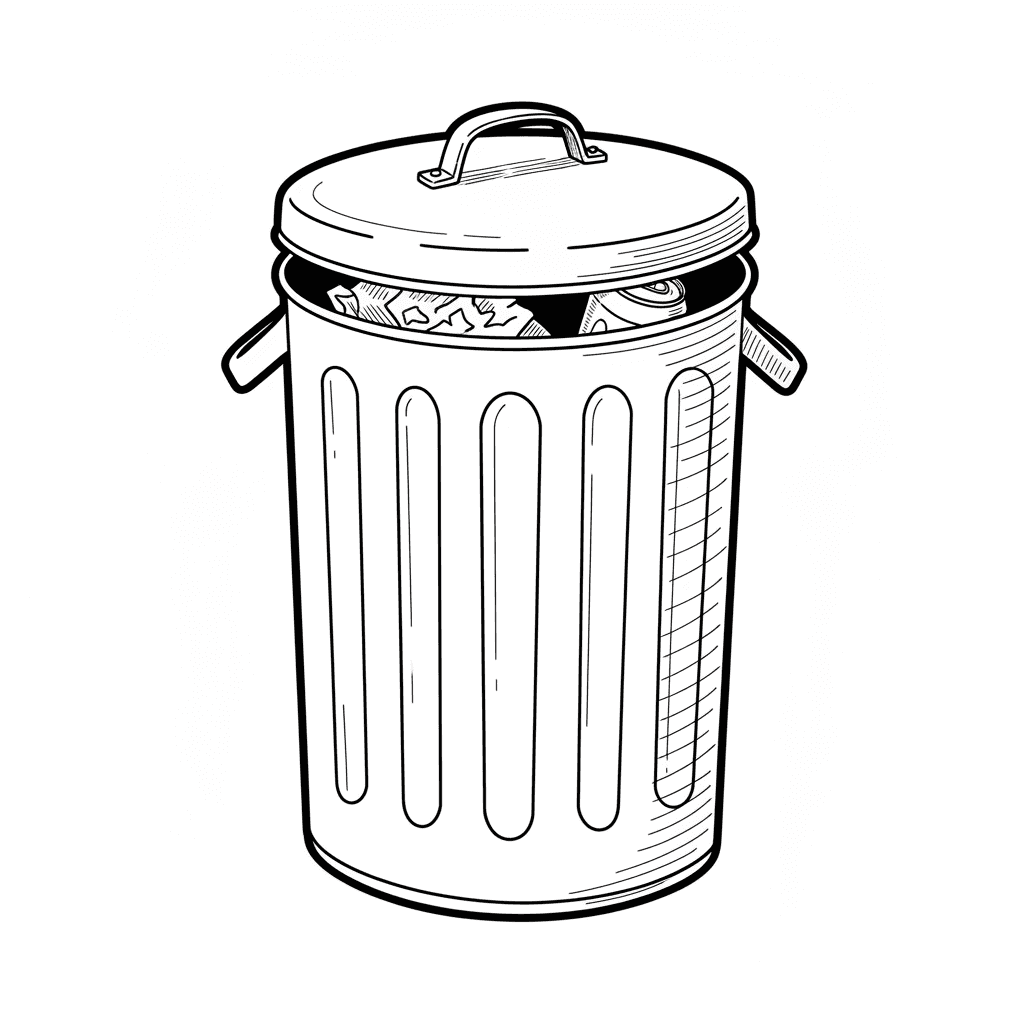
Draw a detailed trash can using simple shapes, shading, perspective, and lid details. Practice proportions, texture, line work, and observation skills.


Drawing Apps
Photos of trash can drawing examples


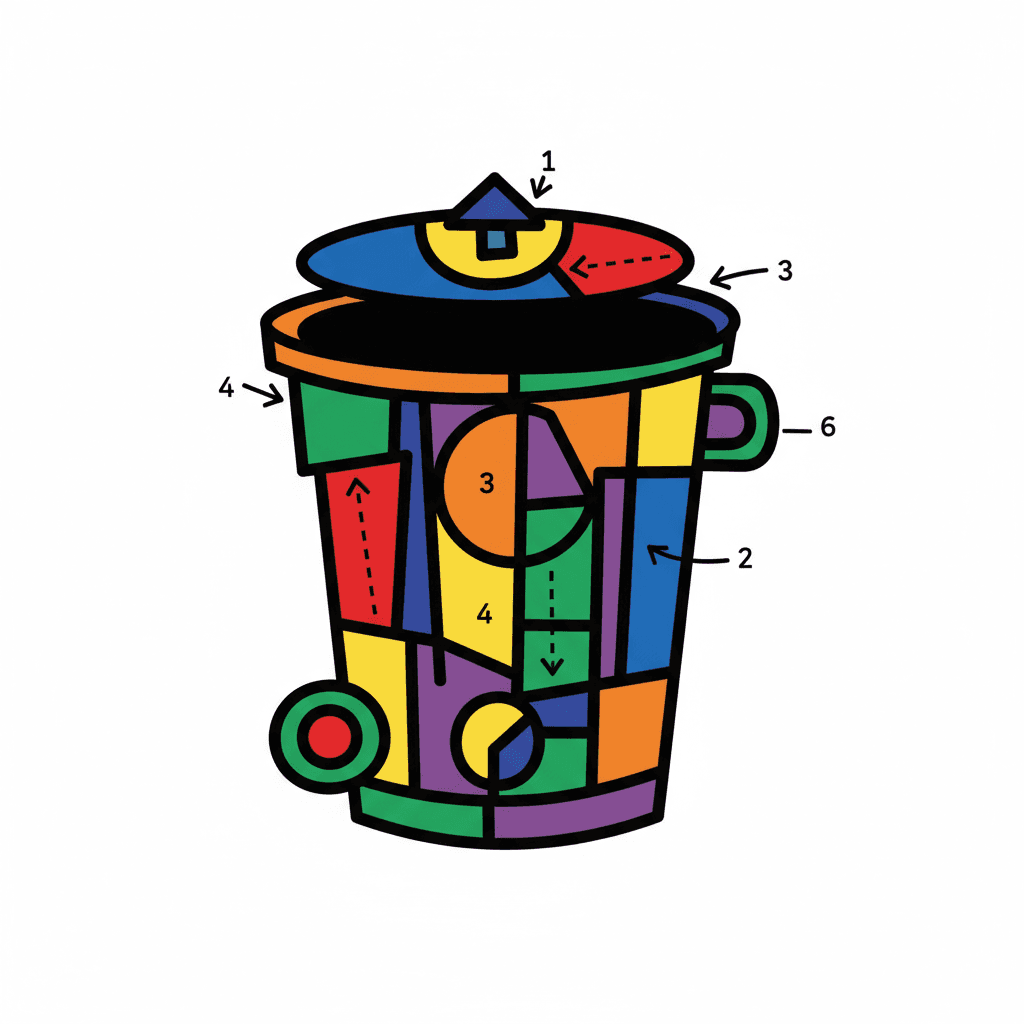
Step-by-step guide to draw a trash can
How To Draw Trash Can For Kids || Dust bin Drawing Easy || Recycle bin Drawing
Step 1
Gather your materials and make a clean spot to draw.
Step 2
Pick a real trash can or a photo to look at for shapes and details.
Step 3
Decide which side the light will come from so your shading knows the direction.
Step 4
Lightly draw a horizontal oval near the top third of the paper for the top rim.
Step 5
Draw two slightly angled vertical lines down from the oval and connect them with a smaller oval for the bottom to make the main body shape.
Step 6
Draw a second inner oval under the top rim to show the rim thickness.
Step 7
Erase any extra lines inside the rim so the top looks neat and solid.
Step 8
Sketch a lid by drawing an oval that sits slightly above and overlaps the rim.
Step 9
Add a simple handle on top of the lid using a rounded rectangle or small arch.
Step 10
Draw evenly spaced vertical panel lines down the body to show metal panels or seams.
Step 11
Add thin curved horizontal ridges across the panels to create texture.
Step 12
Shade the side of the can that is opposite your light source using soft pencil strokes to make darker shadows.
Step 13
Gently blend the shaded area with a tissue or blending stump to make smooth tones.
Step 14
Use the eraser to lift small highlights and add tiny scratches or dents for realism.
Step 15
Take a photo and share your finished trash can drawing on DIY.org.
Help!?
What can we use if we don't have a blending stump or specific pencils listed in the instructions?
If you don't have a blending stump or softer pencils, use a folded tissue, cotton swab, or clean fingertip to gently blend the shaded area opposite your light source (the step 'Gently blend the shaded area with a tissue or blending stump') and an HB or 2B pencil for the main lines.
My lid oval looks like it's floating — how do I fix it so it overlaps correctly with the rim?
If the lid oval looks floating, lightly erase the lid and adjust it so it sits slightly above and overlaps the top rim horizontal oval near the top third of the paper as the instructions say to 'Sketch a lid by drawing an oval that sits slightly above and overlaps the rim.'
How can I adapt this trash can drawing activity for different age groups?
For younger kids, pre-draw the horizontal rim oval and main vertical lines and let them add panel lines and color with crayons, while older kids can use a 4B pencil, add thin curved horizontal ridges, and lift highlights with a kneaded eraser for more realistic texture and tiny scratches.
What are simple ways to extend or personalize the drawing after finishing the basic trash can?
Personalize the finished trash can by adding a painted logo or graffiti on the panels, drawing dents and scratches with the eraser, sketching a cast shadow according to your chosen light source, and then take a photo to share your finished trash can on DIY.org.
Watch videos on how to draw a trash can
How to draw Trash can || Garbage bin waste basket drawing easy step by step.
3 Videos
How to draw Trash can || Garbage bin waste basket drawing easy step by step.
#378 How to Draw a Trash Can - Easy Drawing Tutorial
Recycling Bin Drawing 🗑️: How to Draw A Trash Can for kids | Step by step drawing | ENJOY DRAWING
Facts about drawing and sketching for kids
🗑️ Trash cans come in lots of shapes — metal, plastic, and wheeled bins help cities move tons of waste every day!
✏️ Drawing complex objects gets easy when you break them into simple shapes like cylinders, rectangles, and ellipses.
🔺 Perspective tricks (one-point and two-point) make a flat sketch look like it sits in real space.
🎨 Shading styles like smooth gradients or cross-hatching can make a trash can look shiny metal or textured plastic.
👀 Artists often use sight-measuring (holding a pencil at arm’s length) to check proportions like the lid-to-body size.
How do I draw a detailed trash can step by step?
What materials do I need to draw a realistic trash can?
What ages is drawing a detailed trash can suitable for?
What are the benefits of drawing a trash can and how can I vary the activity?
