How to Draw a Spinosaurus
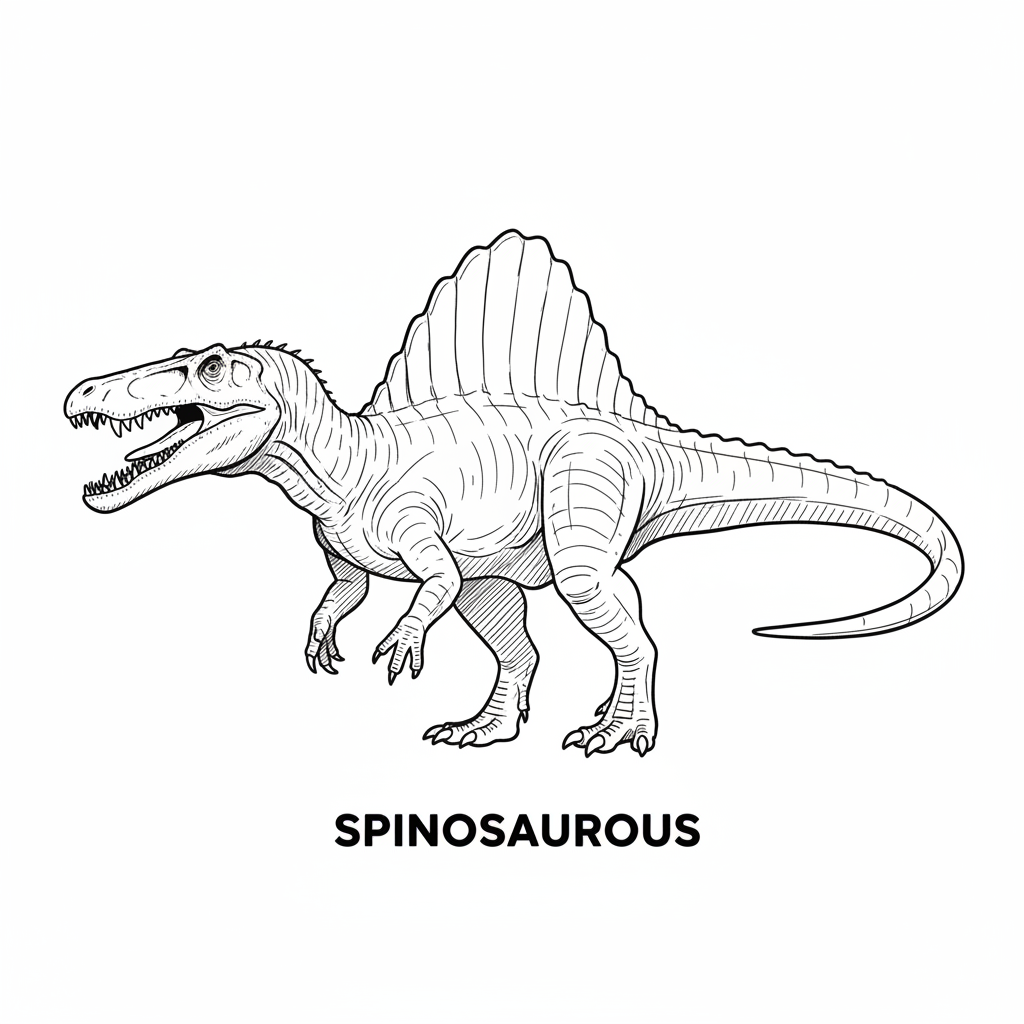
Draw a realistic Spinosaurus step-by-step using basic shapes, adding scales, sail, and shading. Practice proportions, texture, and color choices for accuracy.
About this tutorial
Draw a realistic Spinosaurus step-by-step using basic shapes, adding scales, sail, and shading. Practice proportions, texture, and color choices for accuracy.
What you need
Instructions
- 1
Step 1
Clear a flat space and get your paper and pencils ready so you have a comfy drawing spot.
- 2
Step 2
Put a Spinosaurus reference picture where you can see it to help you copy accurate shapes.
- 3
Step 3
Lightly draw a long oval for the torso to map the main body of your Spinosaurus.
- 4
Step 4
Lightly draw a circle for the head and connect it to the torso with a gentle neck line.
- 5
Step 5
Draw a long curved guideline from the back of the torso to set the tail length and balance.
- 6
Step 6
Mark shoulder hip and knee joints with small circles to plan where the limbs will go.
- 7
Step 7
Sketch the sail along the back as a line of tall curved triangles following the spine guideline.
- 8
Step 8
Shape the snout and jaw outline on the head so the mouth looks long and dinosaur like.
- 9
Step 9
Thicken the limb and tail guidelines into solid muscle shapes and add simple toes.
- 10
Step 10
Erase extra construction lines and smooth the outer contour to create a clean silhouette.
- 11
Step 11
Add scale texture by drawing small overlapping rounded shapes and larger scales where the skin would stretch.
- 12
Step 12
Pick color choices for the skin sail and stripes that make your Spinosaurus look realistic or exciting.
- 13
Step 13
Decide where the light is coming from and add shading with your pencil placing darker tones on the belly behind the sail and under limbs then blend softly with tissue.
- 14
Step 14
Apply your chosen colors starting with a base color then layer darker tones and highlights and add final details like the eye teeth and sail stripes.
- 15
Step 15
Share your finished Spinosaurus drawing on DIY.org
Get inspired
Fun facts
How do I draw a realistic Spinosaurus step-by-step?
Start with a light sketch of basic shapes: an oval for the body, a smaller oval for the head, cylinders for neck and tail, and triangles for limbs. Mark the sail with a long curved rectangle on the back. Refine outlines, add jaws, claws, and scale rows with short curved lines. Erase construction lines, add cross-hatching and directional shading to show volume. Choose earthy colors, blend for texture, and add highlights for realism.
What materials do I need to draw a realistic Spinosaurus?
You'll need sketching pencils (HB, 2B, 4B), a kneaded eraser, sharpener, mixing stump or cotton swab for blending, good drawing paper, fine liners for details, colored pencils or watercolor set for color, and a reference image of a Spinosaurus. Optional: ruler for proportions, charcoal for deep shadows, and textured brushes or sponges if using paint. Keep materials age-appropriate and supervise paint use.
What ages is this Spinosaurus drawing activity suitable for?
Generally suitable for ages 7 and up. Younger children (5–7) can try simplified versions using basic shapes and coloring; focus on large features like the sail and tail. Ages 8–12 can practice proportions, texture, and basic shading. Teens and adults can refine anatomy, scale patterns, and advanced shading techniques. Adjust complexity, tools, and time to match attention span and motor skills.
What are the benefits of drawing a realistic Spinosaurus with my child?
Drawing a realistic Spinosaurus builds observation, proportion awareness, and fine-motor control. Practicing scales, sail shape, and shading teaches texture, light source, and patience. It strengthens visual memory and encourages research into paleontology, boosting vocabulary and science interest. Collaborative sessions support communication and confidence. Keep feedback positive, and break sessions into short steps to avoid frustration and maintain enjoyment.
Watch & Learn
Need help?
What can I use if I don't have colored pencils, blending tissue, or a Spinosaurus reference picture?
If you don't have colored pencils, use crayons, markers, or watercolor paints, substitute tissue for blending with a clean cotton swab or your fingertip, and use a smartphone photo or a page from a dinosaur book as your Spinosaurus reference picture for step 2.
My Spinosaurus looks out of proportion or the sail is wrong—how can I fix it?
If proportions or the sail placement look off, revisit steps 3–8 to lightly adjust the long oval torso, head circle, limb joint circles, and sail triangle guideline before you thicken shapes, then erase extra construction lines as in step 10.
How can I adapt this drawing activity for younger or older kids?
For younger children simplify steps 3–8 to big ovals and triangles and use chunky markers or crayons for easier control, and for older kids encourage adding scale texture in step 11 and advanced shading/blending and color layering from steps 13–14.
How can we extend or personalize the Spinosaurus drawing when we're finished?
Extend the activity by creating a background scene, experimenting with mixed media like a watercolor base under your chosen colors from step 12, adding extra details from steps 11 and 14, and photographing the final piece to share on DIY.org as in step 15.