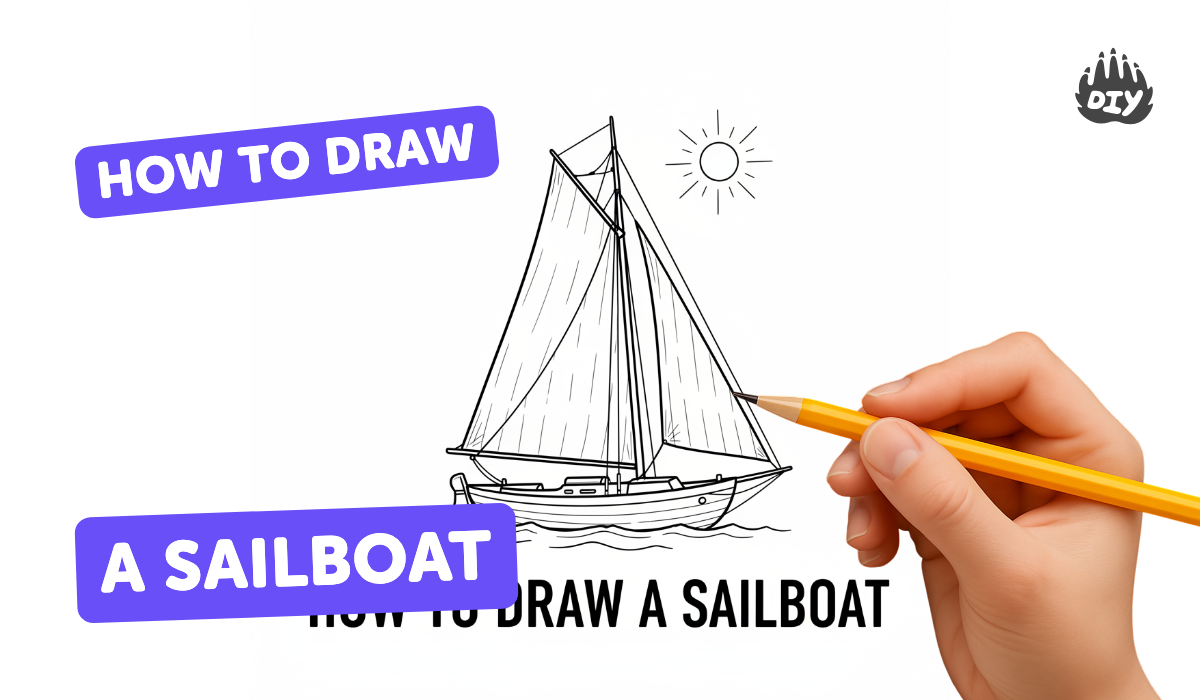
How to draw a sailboat - a free sailboat drawing guide
Draw a sailboat step by step using simple shapes, lines, and shading. Practice proportions, perspective, adding waves, and coloring for realistic detail.


Drawing Apps
Photos of sailboat drawing examples
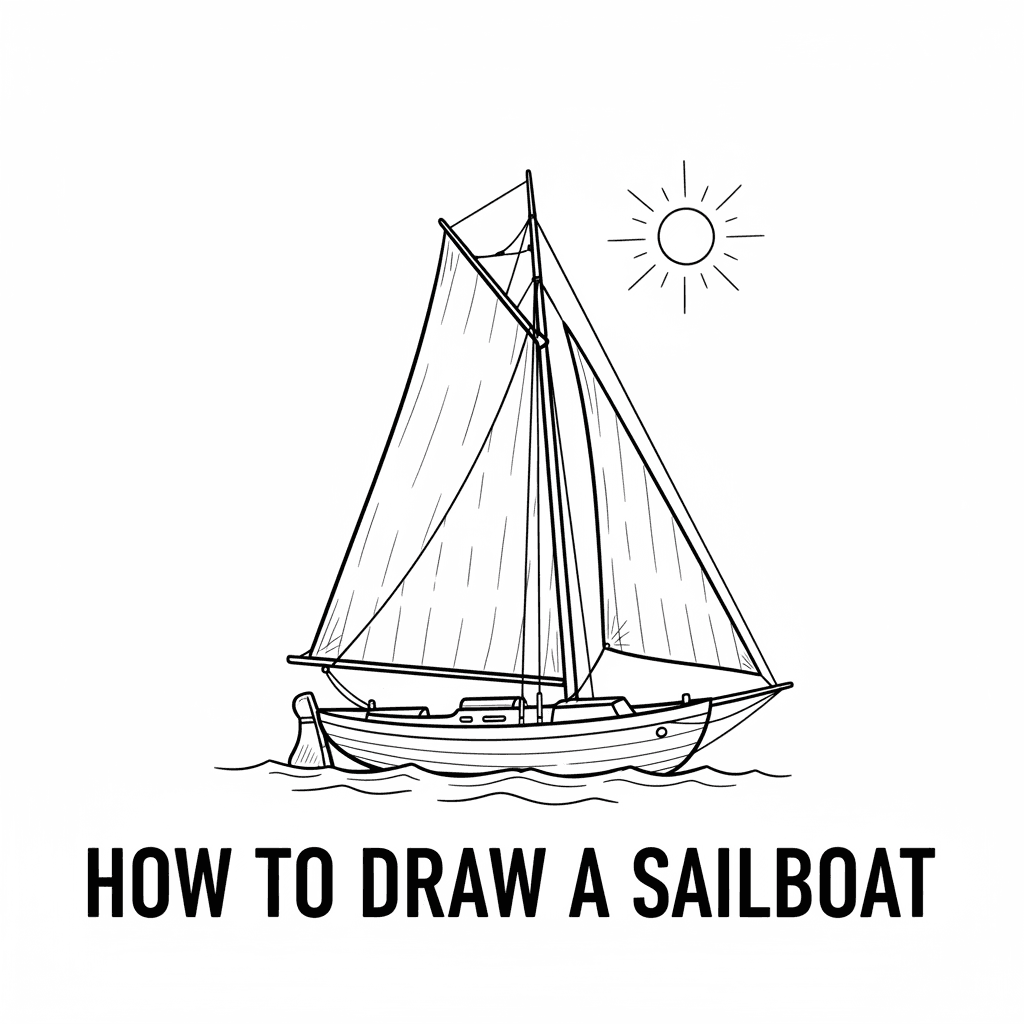
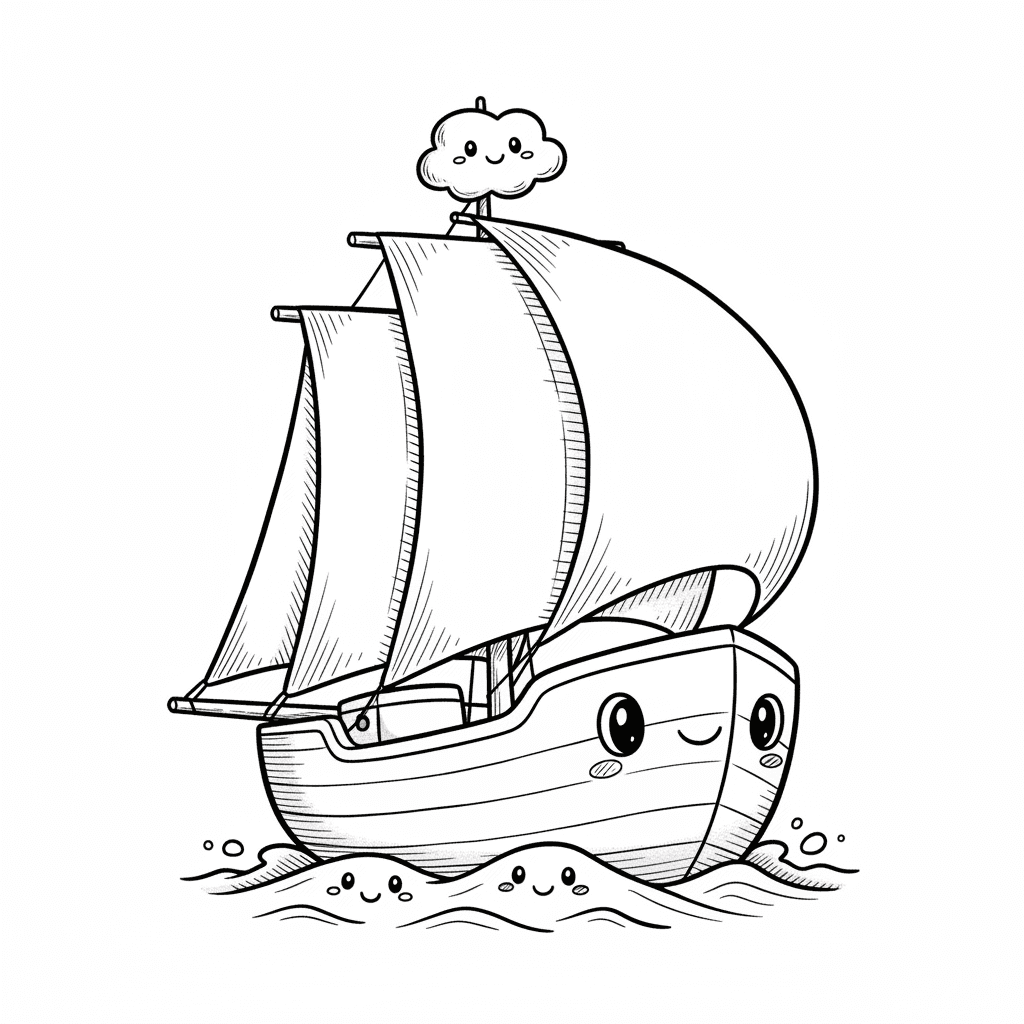
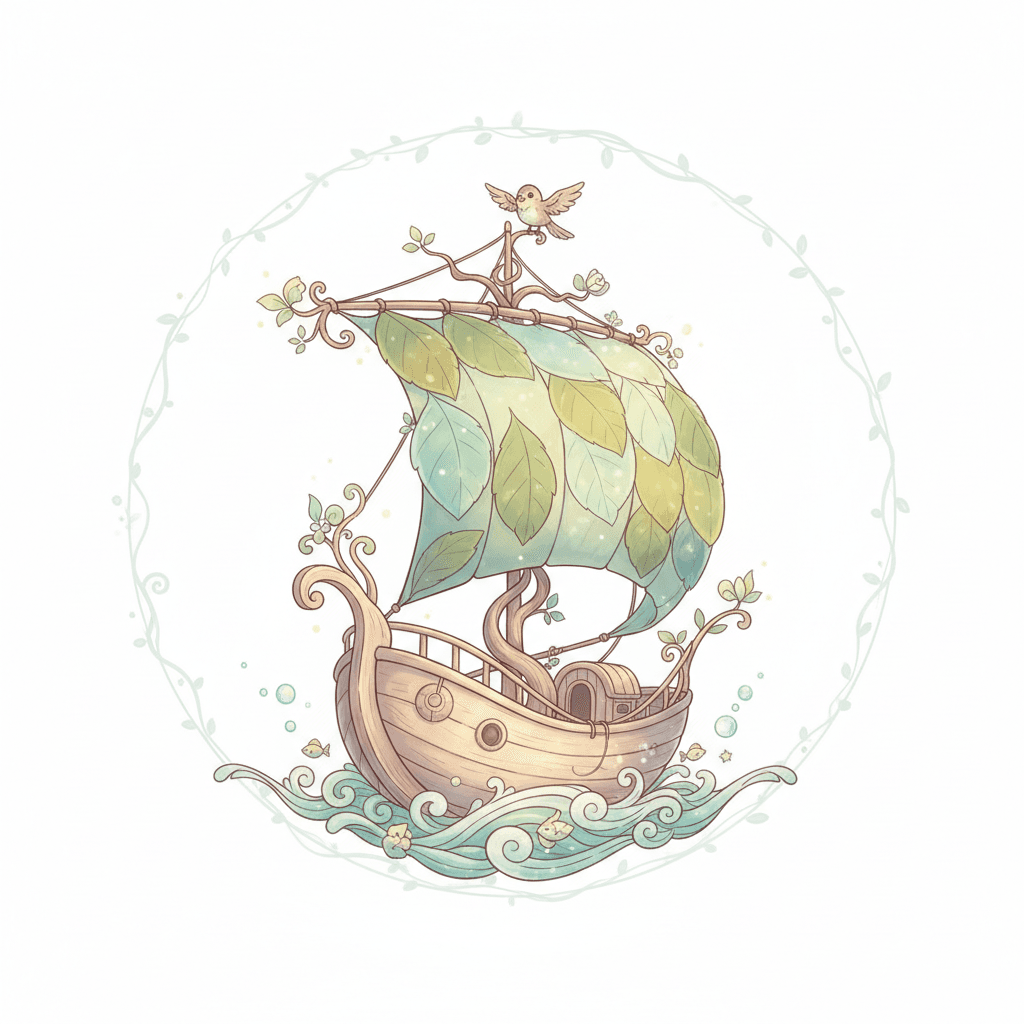


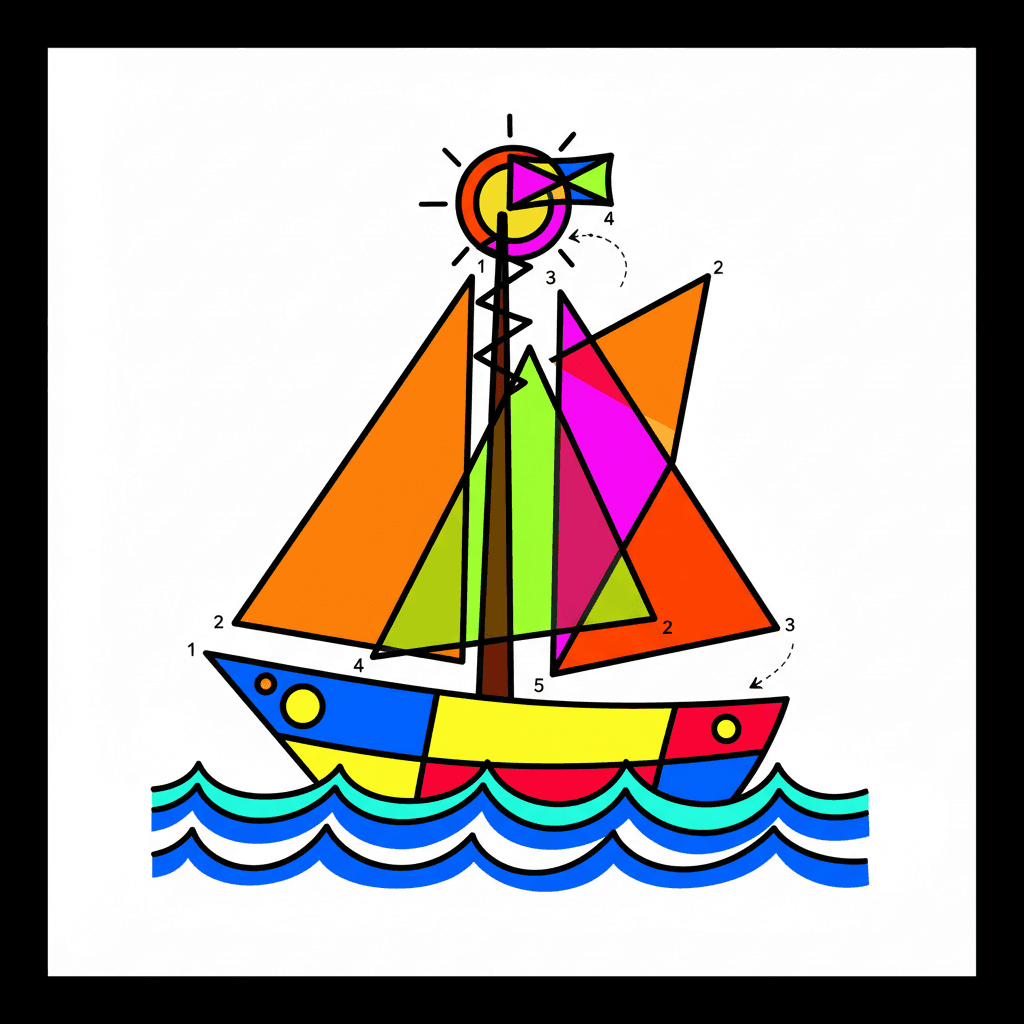
Step-by-step guide to draw a sailboat
How to Draw a Sailboat | Easy Step-by-Step for Kids | Lalagram
Step 1
Draw a light horizontal line across the paper about one-third from the top to make the horizon.
Step 2
Sketch the hull by drawing a long shallow curved shape near the bottom of the page like a stretched U.
Step 3
Draw a straight line across the top of the hull to form the deck.
Step 4
Draw a vertical line from the deck upward to make the mast reaching about halfway toward the horizon.
Step 5
Draw a large triangular mainsail attached to the mast and the back end of the deck.
Step 6
Draw a smaller triangular jib in front of the mast that meets the front of the deck and slightly overlaps the mast.
Step 7
Draw a horizontal boom from the mast base and add a small flag at the top of the mast.
Step 8
Draw a small cabin on the deck and add a circular porthole for a fun detail.
Step 9
Draw curved wave lines under the hull that get smaller and closer together as they reach the horizon for perspective.
Step 10
Lightly erase extra construction lines so the boat shapes look clean.
Step 11
Add shading by deciding a light direction then darken the opposite sides of the hull and sails with light hatching or smudging to show depth.
Step 12
Color your sails and hull with your coloring materials and trace final important lines with a pen or darker pencil for contrast.
Step 13
Share your finished sailboat drawing on DIY.org.
Help!?
What can I use if I don't have a pen, blending stump, or colored pencils?
If you don't have a pen or darker pencil to trace final lines, use a dark marker or crayon, substitute your finger, a tissue, or a cotton swab for smudging when adding shading, and use crayons, markers, or watercolors to color the sails and hull.
My mast keeps leaning and the sails look crooked — how do I fix that?
If the mast leans or the sails look uneven, redraw the vertical mast lightly with a ruler so it reaches about halfway to the horizon, then adjust the large triangular mainsail to attach to the back of the deck and the smaller jib to meet the front of the deck before erasing construction lines.
How can I adapt this sailboat drawing for different ages?
For preschoolers, pre-draw the horizon, hull, mast, and sail outlines for them to trace and color; for early elementary kids, let them sketch the stretched U hull and triangular sails themselves and add the cabin porthole; for older kids, challenge them to refine perspective with smaller waves toward the horizon and practice shading by deciding a light direction and using light hatching or smudging.
What are some ways to enhance or personalize the finished sailboat?
To enhance the drawing, add a sun, clouds, or a sunset behind the horizon, paint reflections or light horizontal hatching under the hull, draw patterns or a name on the sails and hull, and then photograph the finished sailboat to share on DIY.org.
Watch videos on how to draw a sailboat
How to Draw a Sailboat Step by Step / Drawing a Ship / Easy Drawing Tutorials / Shorts
4 Videos
How to Draw a Sailboat Step by Step / Drawing a Ship / Easy Drawing Tutorials / Shorts
Easy how to paint a Sailboat for Kids
Easy Step-by-Step Boat Drawing Tutorial for Kids And Toddlers | Drawing For Baby | Part 01
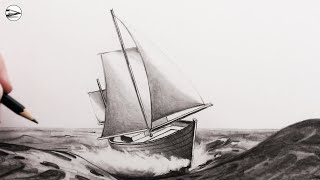
How to Draw a Sailing Boat: Easy Step-by-Step Tutorial
Facts about drawing boats and basic drawing techniques
⛵ The oldest known sailboats date back over 5,000 years — ancient Egyptians were using sails around 3000 BCE.
🎨 Artists often build complex drawings from simple shapes (rectangles, triangles, ovals) to keep proportions correct.
📐 Single-point perspective helps make a boat look like it recedes into the distance by shrinking parallel lines toward a horizon point.
🌊 Ocean waves in drawings are commonly suggested with repeating S-curves; changing size and value makes them look nearer or farther.
✏️ Even simple shading — a few darker strokes on one side and a soft shadow underneath — can turn a flat sail into a convincing 3D form.
How do I draw a sailboat step by step?
What materials do I need to draw a sailboat?
What ages is drawing a sailboat suitable for?
What are the benefits of drawing a sailboat?
