How to draw a ear - a free ear drawing guide
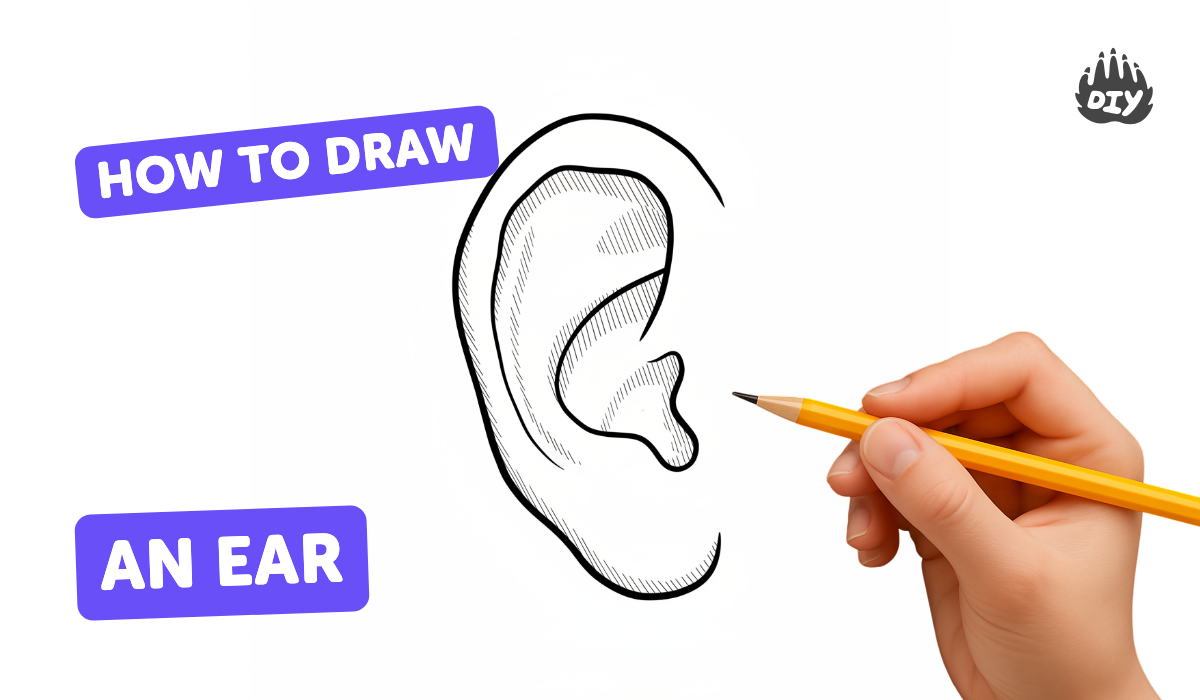
Draw a realistic human ear step-by-step using pencil, observing proportions and shading to create depth, practicing careful observation and fine motor control.


Drawing Apps
Photos of realistic human ear drawings




Step-by-step guide to draw a realistic human ear
How To Learn Drawing An Ear
Step 1
Look closely at your reference photo or your ear in the mirror and notice the overall shape and tilt.
Step 2
Lightly draw a vertical guideline to show the ear's height and tilt.
Step 3
Sketch a light outer shape around the guideline to mark the ear's outer edge.
Step 4
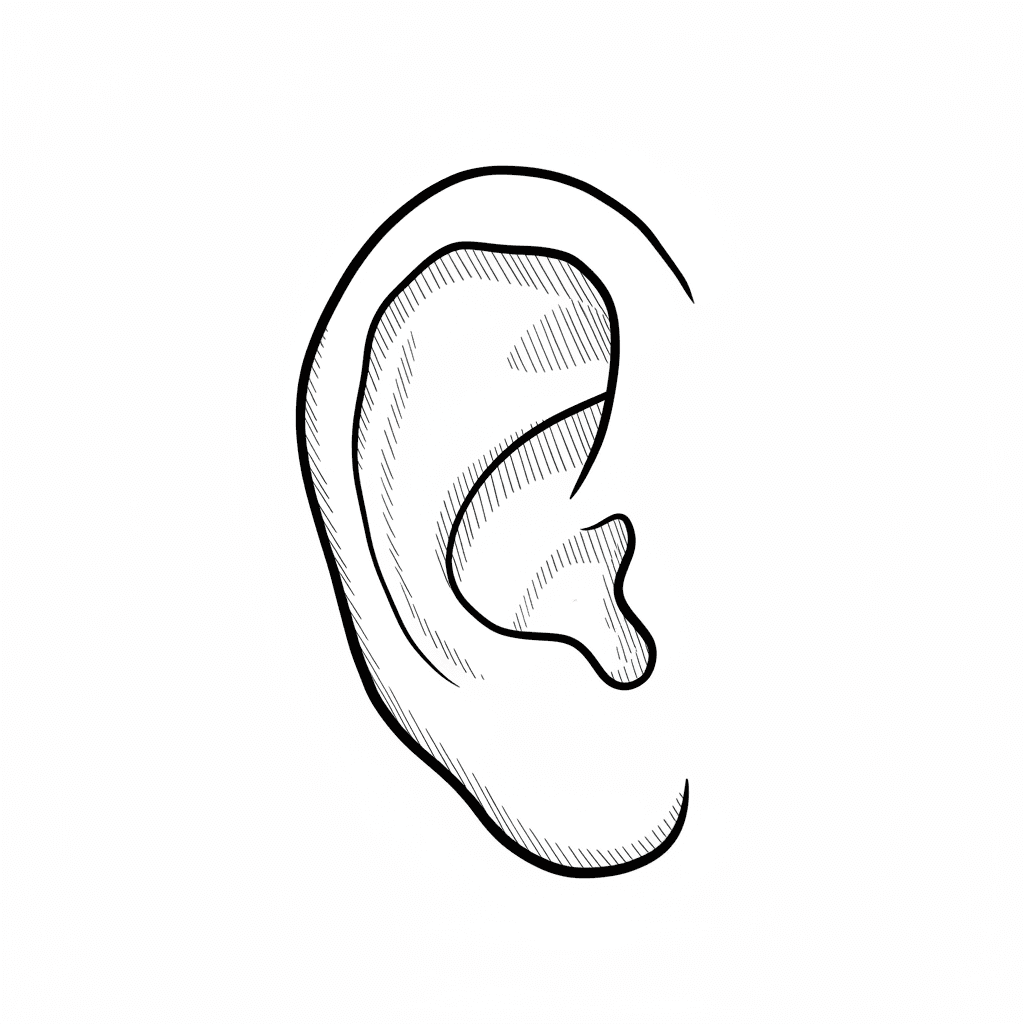
Draw the helix by adding a smooth curved line inside the outer edge following its shape.
Step 5
Sketch the antihelix as a soft Y-shaped ridge inside the helix.
Step 6
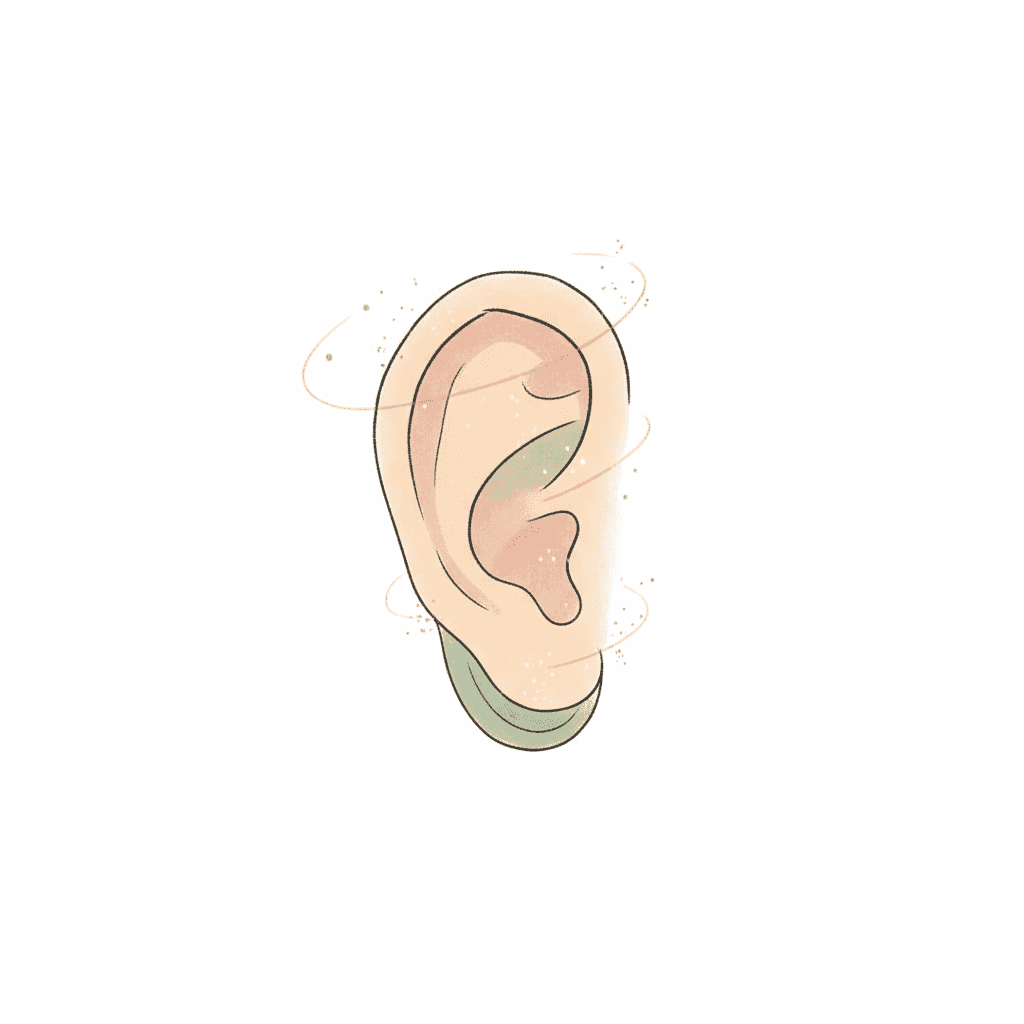
Add the concha by drawing a rounded hollow near the center of the ear.
Step 7
Draw the tragus and antitragus as two small bumps near the ear opening.
Step 8
Erase any extra construction lines you no longer need to clean up the drawing.
Step 9
Study your reference to find the darkest shadow areas and lightly mark them with soft pencil strokes.
Step 10
Build up shading gradually with small strokes that follow the ear's curves to show form.
Step 11
Smooth the shading with a tissue or cotton swab to make soft transitions between light and dark.
Step 12
Use a sharper pencil to add final darker lines and tiny details to make the ear look realistic.
Step 13
Take a photo of your finished ear drawing and share it on DIY.org
Help!?
If I don't have a tissue, cotton swab, or a very soft pencil, what can I use instead?
Use a clean fingertip or a blending stump to smooth shading instead of a tissue or cotton swab and use a 2B pencil when a softer pencil isn't available while keeping a regular pencil sharp for the final darker lines.
My ear looks flat or the parts don't line up—what should I check or redo?
Recheck and lightly erase the vertical guideline and outer shape to correct the ear's height and tilt before refining the helix and antihelix, and measure proportions with your pencil against the reference to improve placement.
How can I adapt this ear-drawing activity for younger or older children?
For younger kids simplify to sketching the outer shape, a single curved helix, and the central hollow with thicker pencils, while older kids should follow all steps including gradual small-stroke shading, smoothing with tissue or cotton swab, and adding final sharper-pencil details.
What are some ways to extend or personalize the ear drawing once the basic steps are done?
Draw the ear from multiple reference photos or angles, experiment with stronger directional lighting to deepen shadows when building up shading with small strokes and smoothing with a tissue or cotton swab, add jewelry or skin texture with the sharper pencil, and photograph your finished ear to share on DIY.org.
Watch videos on how to draw a realistic human ear
How to Draw a Cute Girl w/Ear Buds Easy
4 Videos
How to Draw a Cute Girl w/Ear Buds Easy

Getting Started with Ear Training for Beginners

The Human Ear and Its Parts - The Senses for Kids

How the ear works
Facts about drawing and sketching for kids
👂 Ears are as unique as fingerprints—no two ears have exactly the same shape!
🎧 The outer ear continues changing subtly with age, so ears often look a bit larger in adults than in children.
✏️ Artists use different pencil grades (like HB for lines and 4B–6B for deep shadows) to make ears look realistic.
🧭 Knowing landmark parts (helix, antihelix, tragus, lobule) helps you measure proportions when sketching an ear.
🎯 Short, daily drawing practice (even 10 minutes) significantly improves fine motor control and shading precision.
How do I teach my child to draw a realistic human ear step-by-step?
What materials do I need to draw a realistic ear with my child?
What ages is this realistic ear drawing activity suitable for?
What are the benefits of practicing realistic ear drawing with children?
