How to Draw a Bug
Draw a bug step-by-step using pencil and colored pencils. Practice symmetry, observation, and proportions while creating your own insect illustration.
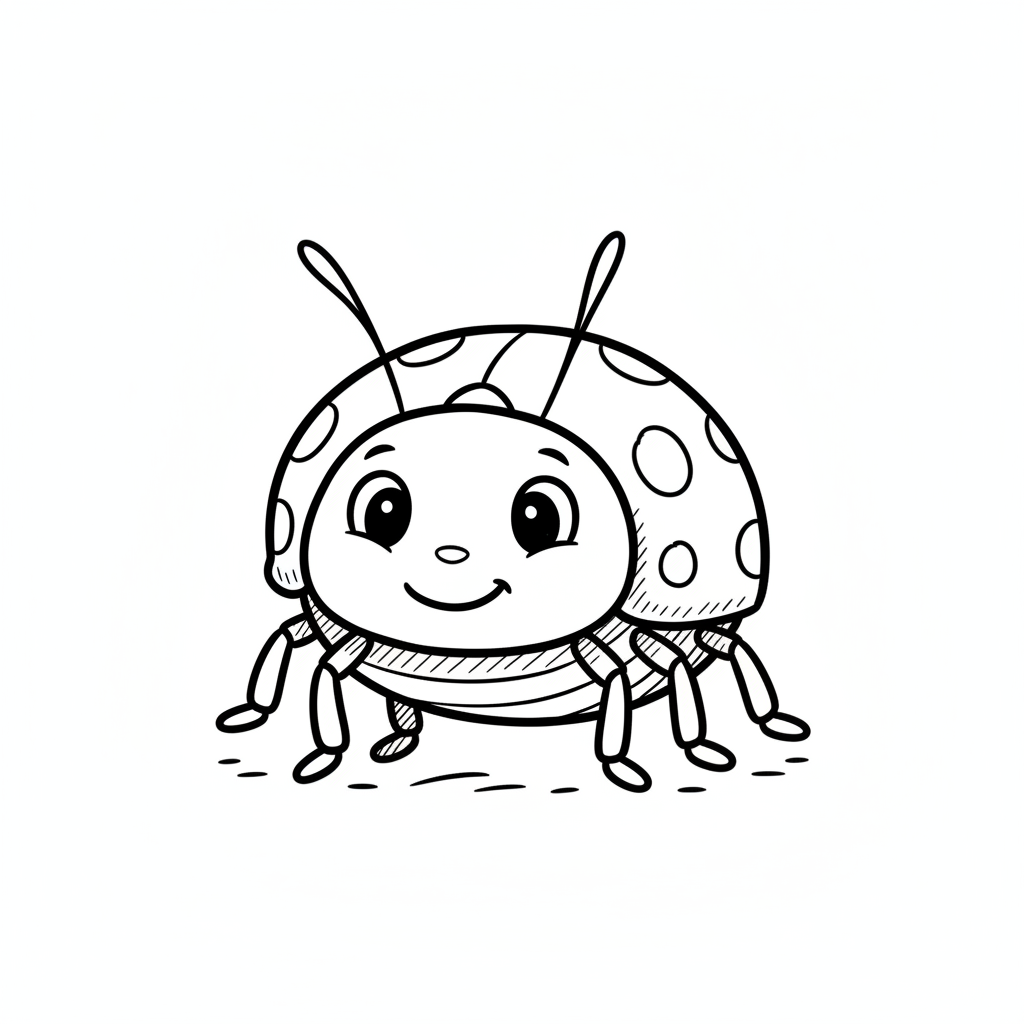
About this tutorial
Draw a bug step-by-step using pencil and colored pencils. Practice symmetry, observation, and proportions while creating your own insect illustration.
What you need
Instructions
- 1
Step 1
Gather your materials and set up a clean flat workspace.
- 2
Step 2
Lightly draw a vertical center line down the middle of the paper to help keep your bug symmetrical.
- 3
Step 3
Draw a small circle at the top of the center line for the bug's head.
- 4
Step 4
Draw a medium oval below the head on the center line for the thorax.
- 5
Step 5
Draw a larger oval below the thorax on the center line for the abdomen.
- 6
Step 6
Draw two curved antennae coming out of the top of the head.
- 7
Step 7
Draw three matching legs on each side of the thorax and abdomen so both sides look the same.
- 8
Step 8
Lightly sketch a wing shape on each side of the body if your bug will have wings.
- 9
Step 9
Draw two eyes and a simple mouth on the head so your bug has a face.
- 10
Step 10
Add patterns like spots or stripes to the body and wings to make your bug unique.
- 11
Step 11
Erase the center line and any extra sketch marks you do not want.
- 12
Step 12
Trace over the final outlines with a slightly darker pencil or a colored pencil.
- 13
Step 13
Color your bug with colored pencils and fill in the patterns and wings.
- 14
Step 14
Add shading by pressing harder at the edges and lighter in the middle to give your bug depth.
- 15
Step 15
Share your finished bug drawing on DIY.org.
Get inspired
Fun facts
How can I teach my child to draw a bug step-by-step with pencil and colored pencils?
Start with a light vertical centerline to practice symmetry. Sketch simple shapes: a small circle for the head, a rounded middle for the thorax, and a larger oval for the abdomen. Add matching antennae and pairs of legs on either side, keeping proportions even. Refine shapes, erase the centerline, draw wing or pattern details, then outline lightly. Finish by layering colored pencils for base color, darker tones for shadows, and a white pencil or erase for highlights.
What materials do I need to draw a bug with pencils and colored pencils?
Gather a sketchbook or medium-weight drawing paper, a set of pencils (HB or 2B for sketching), a good eraser (and a kneaded eraser if available), a sharpener, and a set of colored pencils. Optional extras: a ruler or centerline guide for symmetry, blending stump or cotton bud for softening color, reference photos of insects, and masking tape to secure paper. Keep materials non-toxic and age-appropriate.
What ages is this bug-drawing activity suitable for?
This activity suits a wide range: ages 4–6 can try simple bug shapes with adult help and bold color, focusing on basic symmetry. Ages 7–9 can follow step-by-step proportions, add legs and patterns, and practice observation. Ages 10+ can refine detail, shading, and realistic proportions. Adjust complexity, supervision, and expectations to each child’s fine motor skill and attention span.
What are the benefits, safety tips, and fun variations for drawing bugs?
Benefits include improved symmetry, observation, fine motor skills, and patience, plus a connection to nature. Safety tips: use non-toxic art supplies, supervise sharpeners, and store small items away from very young children. Variations: design imaginary insects, make a mirrored two-page spread for symmetry practice, add watercolor wash backgrounds, create a mini field guide with labels, or try collage with cut paper after sketching.
Watch & Learn
Need help?
I don't have colored pencils—what can I use to color and add shading?
If you don't have colored pencils, use crayons, markers, or watercolor paints to color the body and patterns and create shading by layering colors or pressing harder at the edges and lighter in the middle as the instructions explain.
My bug looks lopsided—how can I make the legs, wings, and patterns match on both sides?
Use the lightly drawn vertical center line as your symmetry guide, sketch one side first and mirror each leg, wing, and pattern across the center line (or fold the paper along the line to check placement), then erase extra sketch marks and trace over the final outlines.
How can I adapt this drawing activity for younger children or older kids?
For younger children simplify to a big circle head and one large oval abdomen with fewer legs and thick markers, while older kids can add detailed spots or stripes, more realistic wing shapes, and advanced shading and color blending as in the 'Add patterns' and 'Add shading' steps.
What's a fun way to personalize or extend the bug drawing after coloring?
Personalize your bug by inventing unique patterns and wing shapes, adding a habitat background or mixed-media wings, labeling the head/thorax/abdomen from your ovals, and then share your finished bug drawing on DIY.org.