How Many Languages Can You Speak w/ IsaBells
Practice basic greetings and short phrases in several languages with IsaBells, record yourself speaking them, and compare how many languages you can say confidently.


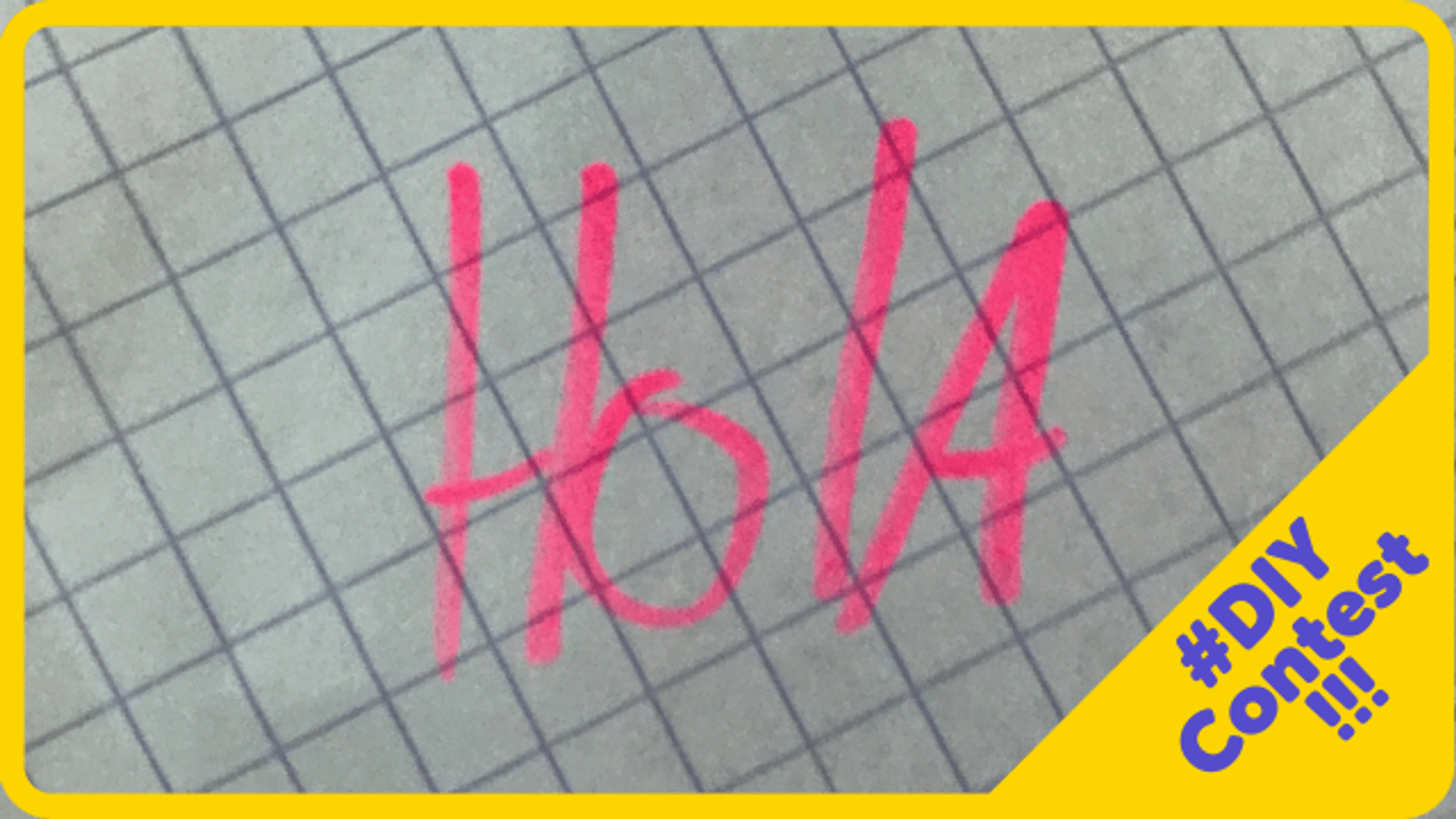
Step-by-step guide to How Many Languages Can You Speak w/ IsaBells
Best Language Learning Apps For Kids (The Top 3 Programs!)
Step 1
Find a quiet spot and sit with IsaBells and your paper and pencil.
Step 2
Choose 6 to 10 languages you want to try and write each language on your paper.
Step 3
Next to each language write one greeting and one short phrase like "Hello" and "Thank you".
Step 4
Press IsaBells to play the greeting for the first language so you can hear how it sounds.
Step 5
Say the greeting out loud after IsaBells one time to match the sound you heard.
Step 6
Repeat the same greeting aloud two more times so you can practice the pronunciation.
Step 7
Use a recorder to record yourself saying the greeting and short phrase for each language on your list.
Step 8
Listen back to each recording and give each language a confidence score from 1 (needs work) to 5 (sounds great).
Step 9
Pick the languages you scored 1 to 3 and practice each of those greetings two more times with IsaBells.
Step 10
Re-record the greetings you practiced so you can compare the new recordings with the first ones.
Step 11
Count how many languages you can say confidently (score 4 or 5) and write that number at the top of your paper.
Step 12
Decorate your paper with stickers or draw little flags for the languages you learned.
Step 13
Share your finished creation and recordings on DIY.org.
Help!?
What can we use if we don't have a recorder or paper and pencil for this activity?
Use your smartphone's voice memo or a tablet recording app for the 'Use a recorder' step and a notebook or notes/drawing app instead of paper and pencil.
What should we do if IsaBells is too quiet or we can't match the pronunciation when we press it to play a greeting?
If IsaBells is too quiet when you press it to play the greeting, move to the quiet spot from the first step, check the device volume or battery and place it closer while replaying the greeting, and if you still can't match the sound, slow the playback (if available) or repeat the phrase more than the suggested two extra times before recording.
How can we adapt the activity for different age groups?
For preschoolers pick 3 simple languages and focus on imitation and stickers instead of recording, for elementary kids do 4–6 languages following the recording and scoring steps, and for older kids pick 8–10 languages and add phonetic spellings and cultural notes before decorating and sharing on DIY.org.
How can we extend or personalize the project after we've recorded and given confidence scores?
After you count and write your confident languages at the top of the paper, extend the activity by adding phonetic spellings or native scripts for each phrase, making a before-and-after comparison of your recordings to track improvement, decorating a flag collage as in the instructions, and asking a native speaker for feedback before sharing on DIY.org.
Watch videos on how to How Many Languages Can You Speak w/ IsaBells
Why these multilingual school kids want to learn more languages
4 Videos
Why these multilingual school kids want to learn more languages

I tried 34 (AI) language learning apps. Here are the best ones

How Do I Learn 3 Languages at the Same Time | My Language Learning Routines

4 Easy TIPS To Help Your Child SPEAK Clearly (Speech Therapist Explains)
Facts about language learning for kids
🌍 About 7,000 languages are spoken around the world today, but over half the world's people speak just 23 of them!
🗣️ The word “hello” only became a common greeting after the telephone was invented—Alexander Graham Bell preferred “ahoy” but Thomas Edison pushed “hello.”
👂 Babies can recognize the rhythm and sounds of their mother's language before they're born, so language listening starts really early!
🎙️ Recording yourself and playing it back is a proven trick language learners use to catch pronunciation and get better faster.
🧠 Even learning a few words in another language can boost your brain power and help you understand other cultures better.
How do we do the 'How Many Languages Can You Speak w/ IsaBells' activity?
What materials do I need for 'How Many Languages Can You Speak w/ IsaBells'?
What ages is 'How Many Languages Can You Speak w/ IsaBells' suitable for?
What are the benefits and safety tips for this language practice activity?
