Grow summer plants
Plant and care for summer flowers or vegetables in pots or a small garden bed, learn about watering, sunlight, and observe growth over weeks.




Step-by-step guide to grow summer plants
What Plants Need To Grow | KS1 Science Year 2 STEM Summer Camp
Step 1
Pick one or two summer plants you want to grow.
Step 2
Choose a pot or a small garden bed to use for your plants.
Step 3
Find a sunny spot that gets at least six hours of sunlight each day.
Step 4
Fill the pot or garden bed with potting soil leaving about an inch from the top.
Step 5
Make planting holes at the depth shown on the seed packet or plant tag.
Step 6
Put seeds or seedlings into each hole.
Step 7
Gently cover the seeds or seedling roots with soil and press lightly.
Step 8
Water the planted area gently until the soil is evenly moist but not soggy.
Step 9
Label each pot or row with the plant name and today’s date.
Step 10
Place your pots in the sunny spot or leave the garden bed where it gets sun.
Step 11
Check the soil every day by feeling the top inch with your finger.
Step 12
Water your plants when the top inch of soil feels dry.
Step 13
Observe your plants once a week and write or draw one thing you notice about their growth.
Step 14
Share your finished creation on DIY.org
Help!?
What can I use if I don't have commercial potting soil or plant tags?
Mix garden soil with equal parts clean sand or perlite and a handful of compost to mimic potting soil, and use a popsicle stick or folded paper taped to a toothpick to label each pot with the plant name and today's date.
My seeds aren't sprouting or seedlings are wilting—what should I check and fix?
Confirm you made planting holes at the depth shown on the seed packet, placed the pot in a spot that gets at least six hours of sunlight, and are watering only when the top inch of soil feels dry to avoid soggy roots.
How can I adapt the steps for very young children, older kids, or teens?
For preschoolers use large seeds or seedlings in pre-filled pots and help with watering, for younger school-age kids let them fill soil and make planting holes following the seed packet, and for teens have them plan sunlight placement, keep the weekly observation log, and post the finished creation on DIY.org.
How can we extend or personalize this planting activity once the plants are growing?
Decorate and waterproof your pots, create a labeled growth chart to record weekly observations and soil moisture checks, and experiment with one pot using a different soil mix to compare results before sharing on DIY.org.
Watch videos on how to grow summer plants
How Plants Grow: A Fun And Educational Video For Kids
4 Videos
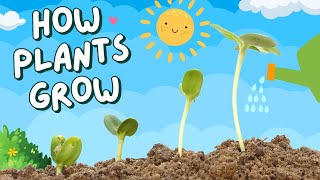
How Plants Grow: A Fun And Educational Video For Kids

HOW TO START A GARDEN | Gardening for kids
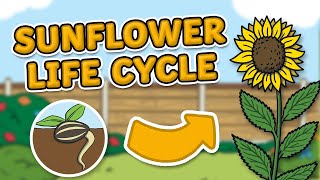
The Life Cycle of a Sunflower | Sunflower Life Cycle | Science for kids!

Life Cycle of a Plant for Kids! | Learn Parts of a Plant 🌱 | Twinkl USA
Facts about gardening for kids
🌞 Most summer vegetables (tomatoes, peppers, cucumbers) thrive with 6–8 hours of sunlight each day.
💧 Overwatering is the number one gardening mistake — roots need oxygen too, so let the topsoil dry a bit between waterings.
🌱 Fast-growers like radishes and many lettuces can be ready to harvest in just 4–6 weeks from seed.
🪴 You can grow a full mini garden in pots — a few pots can supply tomatoes, herbs, salad greens, and radishes.
🐝 Bees and other pollinators help flowers turn into fruit; if bees are scarce, gently shake or tap flowers to help pollinate.
How do I grow summer plants with my child?
What materials do I need to grow summer flowers or vegetables with kids?
What ages are suitable for planting and caring for summer plants?
What are the benefits of having children grow summer plants?
