Go on an Anthill Quest!
Explore a nearby anthill to observe ant behavior, sketch trails, count workers, and build a simple observation map using safe, respectful methods.


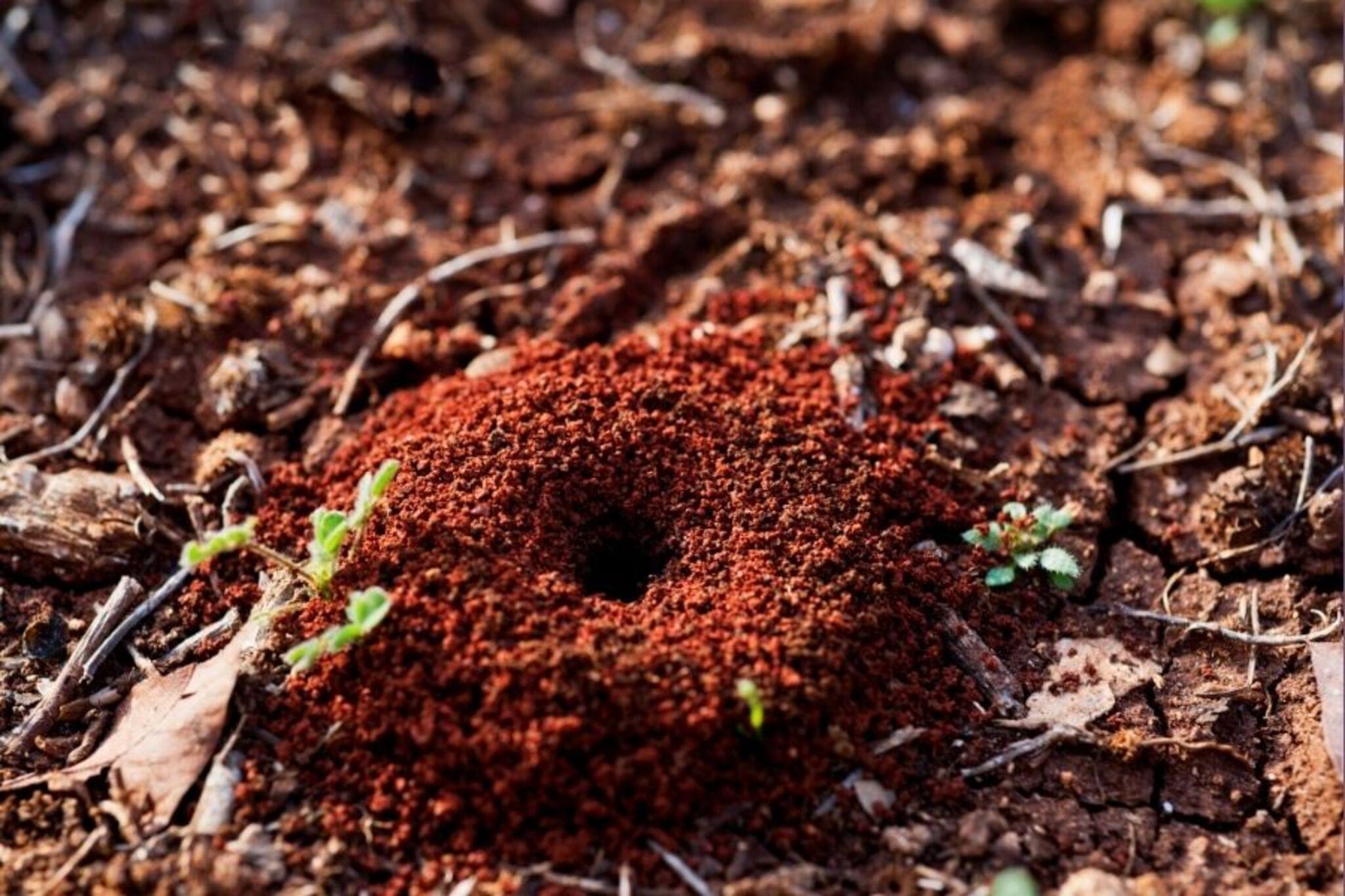

Step-by-step guide to go on an anthill quest
What is an Ant Mill? | The Life and Death Cycle of An Ant | Learn all About Ants | Dr. Binocs Show
Step 1
Ask an adult to help you find a safe anthill nearby.
Step 2
Put on closed toed shoes before you go outside.
Step 3
Stand at least one big step away from the anthill and stay on the path.
Step 4
Watch the anthill quietly for two minutes without touching it.
Step 5
Use your magnifying glass to look closely at the ant trails from your safe spot without touching the ants.
Step 6
Draw a simple outline of the anthill and nearby landmarks in your notebook.
Step 7
Mark each visible ant trail on your sketch with a line where you see it.
Step 8
Choose an imaginary counting line in your view and count ants crossing it for one minute while an adult times you.
Step 9
Repeat the one minute count two more times and write the three numbers in your notebook.
Step 10
Write one short note about anything the ants are carrying or where they go.
Step 11
Use colouring materials to color the hill trails and landmarks on your map.
Step 12
Add a legend to your map with symbols for the nest entrance trails and food sources.
Step 13
Walk away slowly and leave the anthill exactly as you found it.
Step 14
Share your finished observation map and notes on DIY.org.
Help!?
What can we use instead of a magnifying glass or special colouring materials if we don't have them?
If you don't have a magnifying glass use a smartphone camera zoom or a clear plastic disposable magnifier to look closely at the ant trails from your safe spot, and substitute crayons or markers with colored pencils or even colored pens for coloring the hill trails and landmarks in your notebook.
What should we do if counting ants for one minute is too hard because they move too fast or there are too few?
If your one-minute counts (step 'Choose an imaginary counting line') are inconsistent because ants are too fast or too few, ask the adult to time two-minute counts, switch your counting line to a busier trail, and mark tallies in your notebook for each count to keep accurate numbers.
How can this activity be adapted for younger children or older kids who want a challenge?
For younger children shorten the quiet-watching to 30 seconds, have an adult help hold the magnifying glass and draw the simple outline, while older kids can measure trail widths, calculate the average of the three one-minute counts, add species notes, and polish the map before sharing on DIY.org.
How can we extend or personalize the Anthill Quest after finishing the observation map and notes?
After adding a legend to your map and coloring trails, extend the activity by returning at different times to repeat your three counts and graph the results in your notebook, taking photos to compare, and creating a small 3D model or annotated photo map to upload to DIY.org.
Watch videos on how to go on an anthill quest
Elinor Wonders Why | What Happens Inside an Anthill? | PBS KIDS
4 Videos

Elinor Wonders Why | What Happens Inside an Anthill? | PBS KIDS
What's Inside An Anthill?
What's Hiding Inside an Anthill? (Unbelievable Ant Facts) | Animated Science

MEGA ANT CITY DISCOVERY: Biologists unveil the gigantic subterranean architecture of an anthill
Facts about entomology for kids
🐜 There are over 12,000 known species of ants worldwide — lots to discover on your anthill quest!
💪 Some ants can lift 10–50 times their own body weight, making them tiny super-strong workers.
🧭 Ants use chemical signals called pheromones to lay and follow trails — more ants strengthen a trail.
👑 Some queen ants can live for many years (sometimes over a decade), while workers live much shorter lives.
🏠 An anthill or nest mound helps a colony regulate temperature and humidity and protect its brood.
How do I do an Anthill Quest with my child?
What materials do I need for an Anthill Quest?
What ages is an Anthill Quest suitable for?
What are the benefits and safety tips for an Anthill Quest?
