Go for a Bike Ride!
Plan and take a short neighborhood bike ride, check helmet and bike safety, record distance and map landmarks to learn navigation and exercise.


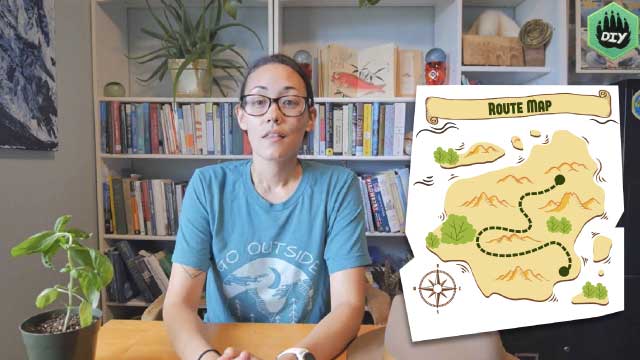

Step-by-step guide to go for a bike ride
Step 1
Put on your helmet and fasten the strap so it feels snug and sits level on your head.
Step 2
Do a quick bike safety check by pressing each tire to make sure it is firm squeezing each brake lever to confirm the brakes stop the wheels and glancing at the chain to make sure it is on the gears.
Step 3
Adjust your seat so you can touch the ground with the tips of your toes while sitting on the bike.
Step 4
Choose a short familiar route that will take about 15 to 30 minutes or roughly 1 to 3 miles.
Step 5
Write the route and circle three landmarks you will look for on your ride in your notebook.
Step 6
Tell an adult your route the time you will leave and return and ask them to supervise or go with you.
Step 7
Put on bright or reflective clothing so drivers and neighbors can see you easily.
Step 8
Fill your water bottle and carry it with you for the ride.
Step 9
Ride the planned route following the streets and turns you wrote down.
Step 10
Stop briefly at each landmark and write its name or draw a tiny picture beside the route in your notebook.
Step 11
Use a phone a bike odometer or a watch to record the total distance and total time of your ride.
Step 12
Park and lock your bike and take a drink of water.
Step 13
Draw a simple map of your route in your notebook add the landmarks and write the distance and time you recorded.
Step 14
Share your finished route map photo and notes on DIY.org.
Help!?
What can we use if we don't have a notebook, bike lock, or bike odometer listed in the instructions?
Use your phone's Notes app or a waterproof index card instead of a notebook, lock your bike to a permanent rack with an adult watching if you don't have a keyed lock, and use your phone's GPS or a watch stopwatch in place of a bike odometer, but do not skip a properly fitting helmet.
What should we do if a part of the pre-ride safety check fails, like a soft tire or brakes that don't stop the wheels?
If pressing a tire shows it's soft or squeezing each brake lever doesn't stop the wheels during the safety check step, inflate the tire to the pressure on the sidewall and have an adult tighten or adjust the brakes or take the bike to a shop before riding.
How can we adapt this bike ride activity for different ages while following the written route and safety steps?
For younger children, pick a very short familiar route of one block with an adult walking or riding beside them, simplify the notebook task to circling one landmark, and help adjust the seat so toes touch the ground; for older kids, let them plan a 1–3 mile route independently, record time and distance on a phone odometer, and post their finished map on DIY.org.
How can we enhance or personalize the ride after completing the steps like mapping landmarks and recording distance?
Turn the ride into a themed scavenger hunt by choosing specific landmark types to find, take photos of each landmark to glue beside your notebook map or upload to DIY.org, decorate the map and helmet with stickers, and set a goal to improve your recorded time or distance next ride.
Watch videos on how to go for a bike ride
Kids riding bikes Safely
4 Videos
Kids riding bikes Safely

Learn To Ride A Bike | Playing Safely | Little Angel Kids Songs
Bicycle Safer Journey
How to ride a bike safely with Rules of the Road fun for Kids
Facts about bicycle safety and navigation for kids
🚲 Bicycles are one of the most common vehicles worldwide — there are over a billion of them.
🛡️ Wearing a properly fitted bicycle helmet can reduce the risk of head injury in a crash by roughly 60–70%.
🗺️ Orienteering began as military map-and-compass training in Scandinavia and grew into a global sport that teaches navigation.
📏 Many kids can ride about 1 mile in 6–10 minutes, so a 1–3 mile neighborhood loop is a great beginner challenge.
❤️ Regular cycling strengthens the heart and leg muscles and is a low-impact way for kids to get daily exercise.
How do I plan and take a short neighborhood bike ride with my child?
What materials and supplies do we need for a safe neighborhood bike ride?
What ages is this planning-and-ride activity suitable for?
What are the benefits and safety tips for kids learning navigation on bike rides?
