Glean for food
Organize a supervised garden gleaning trip to collect leftover ripe vegetables and fruits, sort and wash them, and prepare a simple snack.



Step-by-step guide to glean for food
Preparing Food Safely for Young Children
Step 1
Ask an adult to help plan a supervised gleaning trip.
Step 2
Ask the garden owner for permission to glean before you pick anything.
Step 3
Put on your gardening gloves.
Step 4
Take your reusable bag or basket and small scissors or shears to the garden.
Step 5
Walk slowly through the garden with the adult and look for ripe produce.
Step 6
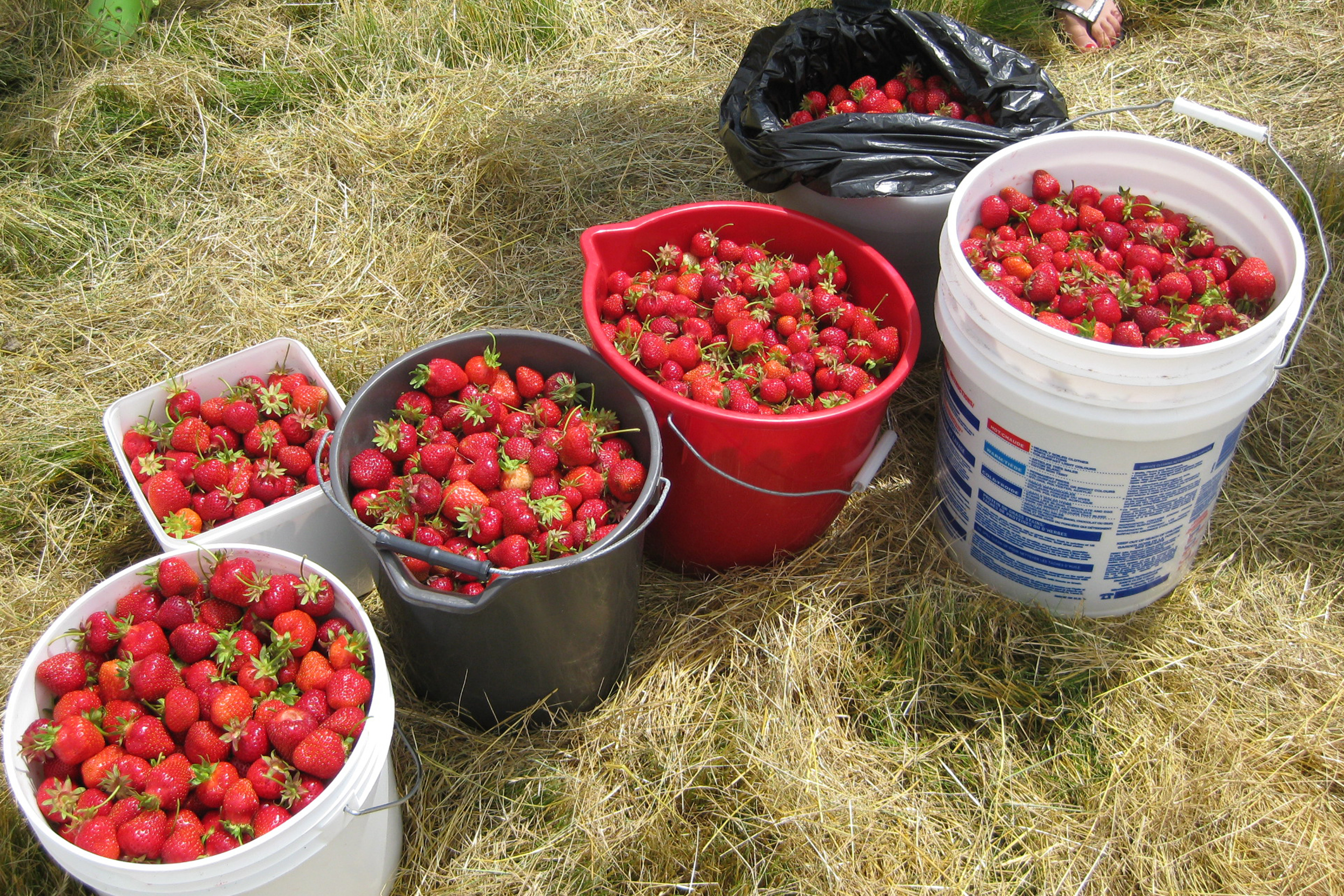
Gently pick only ripe undamaged fruits or vegetables.
Step 7
Place each picked item into your bag.
Step 8
Throw away any moldy or insect-eaten items into a compost bin if available.
Step 9
At home wash your hands with soap and water for 20 seconds.
Step 10
Put the produce into a colander and rinse under cool running water.
Step 11
Sort the clean produce into snack-ready items and items that need cutting or peeling.
Step 12
Dry the snack-ready items with a clean towel.
Step 13
With adult supervision use a child-safe knife to cut snack items into bite-sized pieces on the cutting board.
Step 14
Arrange the pieces on a plate with crackers and a small dollop of hummus or yogurt dip.
Step 15
Share your finished creation on DIY.org.
Help!?
What can we use if we don't have small scissors, shears, or a reusable bag for collecting produce?
Use clean kitchen scissors or carefully twist and snap ripe produce while wearing gardening gloves, and substitute a clean tote, laundry basket, or cardboard box for the reusable bag when collecting items.
How do we avoid picking unripe or moldy fruits and vegetables during the gleaning trip?
Have the adult check color and firmness before you gently pick only ripe undamaged fruits or vegetables, immediately throw any moldy or insect-eaten items into a compost bin if available, and place each picked item into your bag to avoid mixing spoiled produce with good ones.
How can we adapt this activity for different age groups?
For toddlers and preschoolers focus on walking slowly, spotting ripe produce, and placing items into the bag while the adult handles scissors, washing, and cutting, and for older children let them rinse in the colander, dry with a clean towel, and use a child-safe knife on the cutting board to cut snack items into bite-sized pieces under supervision.
What are some ways to extend or personalize the gleaning and snack-making activity?
Let children arrange their pieces on a plate with crackers and different dips (hummus or yogurt), add fresh herbs from the garden, photograph each step to share on DIY.org, and save peelings or scraps for the compost bin.
Watch videos on how to glean for food
Food Safety & Hygiene for Kids! | Food Safety for Kids
3 Videos
Food Safety & Hygiene for Kids! | Food Safety for Kids
Food Safety Fun - How Kids Can Stay Healthy in the Kitchen!

Safety First! Kid's Guide to Food Safety
Facts about gardening and food rescue for kids
🧺 Gleaning is an ancient practice — people have gathered leftover harvests to feed communities for centuries.
🍎 About one-third of all food produced for people is lost or wasted worldwide, so rescuing produce makes a big difference.
🥕 Many perfectly edible vegetables are left behind because of size or appearance; kids can help save these tasty snacks.
🧼 Rinsing fruits and vegetables under cool running water and rubbing them helps remove dirt and reduces germs — no soap needed.
🤝 Gleaning groups often donate to food banks or community kitchens; a short, supervised trip can collect enough for many snacks.
How do I organize a supervised garden gleaning trip to collect and prepare a simple snack?
What materials do I need for a garden gleaning trip and snack prep?
What ages is a supervised garden gleaning activity suitable for?
What safety tips should I follow during a garden gleaning activity?
