Germinate seeds
Germinate seeds using damp paper towels, observe roots and shoots, record growth daily, compare light and moisture effects to learn plant needs.


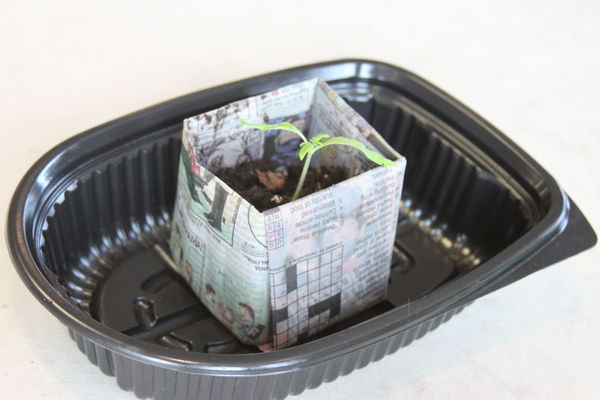

Step-by-step guide to germinate seeds
What is Germination of Seed - Plant Science for Kids | Educational Videos by Mocomi
Step 1
Gather all your materials and bring them to a clean table.
Step 2
Use the marker to label four bags Light-Moist Light-Dry Dark-Moist Dark-Dry.
Step 3
Moisten two paper towels until damp and squeeze out extra water.
Step 4
Put one damp towel into each Moist bag and one dry towel into each Dry bag.
Step 5
Place 3 to 5 seeds spaced across the towel inside each bag.
Step 6
Seal each bag leaving a little air inside so the seeds can breathe.
Step 7
Put the two Light bags on a sunny windowsill or under a lamp.
Step 8
Put the two Dark bags into a closed cupboard or box so they stay dark.
Step 9
Draw a simple chart in your notebook with columns Date Condition Observation Measurement.
Step 10
Every morning open each bag and look for tiny roots or shoots.
Step 11
Every morning measure any roots or shoots with your ruler.
Step 12
Every morning write the date your observations and the measurements into your chart.
Step 13
If any Moist bag looks dry add just a few drops of water and reseal it.
Step 14
After one week compare your chart to see which condition made the seeds grow best.
Step 15
Share a photo and what you learned about light and water for plants on DIY.org.
Help!?
What can we use if we don't have clear plastic bags or paper towels?
If you don't have clear bags or paper towels, use a clean clear plastic food container or jar with a damp cotton cloth or coffee filter inside and label it with your marker.
Why might seeds not sprout or mold appear, and how do we fix it?
If seeds don't sprout or you see mold in the Moist bags, open them, remove any moldy towel, replace it with a freshly moistened towel squeezed to remove excess water, and reseal leaving a little air so they aren't soggy.
How can we change the activity for younger or older kids?
For younger children, do only two bags (Light-Moist and Dark-Moist) with 1–2 large seeds and help them draw simple observations in the notebook, while older kids can run all four conditions, measure roots daily with the ruler, and record exact measurements in the Date/Condition/Observation/Measurement chart.
How can we extend or personalize the experiment after one week?
After one week, extend the activity by testing additional variables like different seed types or temperatures, add a photo column to your chart and take daily photos for the DIY.org post, and decorate or color-code the bags with the marker to personalize results.
Watch videos on how to germinate seeds
What is Seed Germination ? | Seed Germination for Kids | How Do Seeds Grow | Parts of a Seed | Seeds
4 Videos
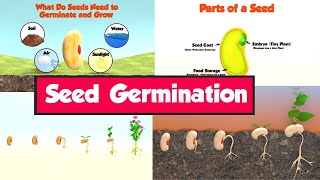
What is Seed Germination ? | Seed Germination for Kids | How Do Seeds Grow | Parts of a Seed | Seeds
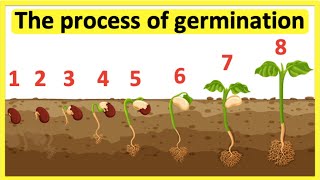
The process of seed germination 🌱| Step-by-step process
Teach Kids How to Plant a Seed | Procedure Writing & Literacy Skills
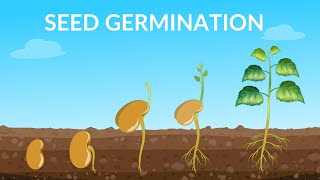
Seed Germination | How Does A Seed Become A Plant
Facts about seed germination and plant growth
🌱 Radish seeds can sprout in as little as 2–4 days, so you might see roots and shoots very quickly!
☀️ Many seeds don't need light to begin germinating — they often sprout in the dark and then grow toward light once the shoot appears.
💧 A seed soaks up water to swell and activate growth — some seeds can absorb many times their dry weight in water.
🔬 Some seeds can remain dormant for decades (the famous lotus seed germinated after more than 1,000 years!), showing how seeds protect future life.
🌡️ Temperature matters: most common garden seeds germinate best between about 15–30°C (59–86°F), so warmth speeds things up.
How do I germinate seeds using damp paper towels with my child?
What materials do we need to germinate seeds on paper towels?
What ages is seed germination with paper towels suitable for?
What are the benefits and safety tips for germinating seeds with kids?
