Fix a plumbing problem
Fix a minor sink clog using a plunger, baking soda, and vinegar; learn safe steps, observe results, and practice basic household plumbing skills.


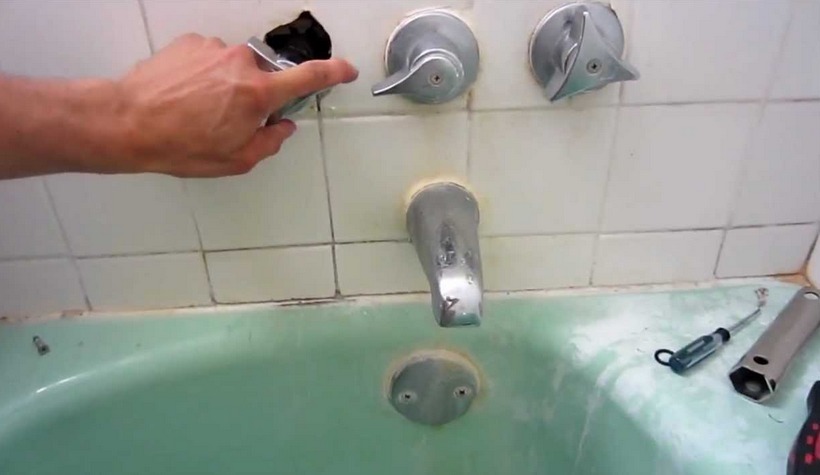

Step-by-step guide to fix a minor sink clog using a plunger, baking soda, and vinegar
Top 6 Easy Plumbing Tips for Newbies to Fix Problems at Home in Just 2 Minutes | Anyone Can Do It
Step 1
Put on your rubber gloves and ask an adult to stay with you the whole time.
Step 2
Clear the sink of dishes and anything that could get in the way.
Step 3
Use your gloved hand to remove any visible toothpaste hair or food bits from the drain and toss them in the trash.
Step 4
Fill the sink with enough water so the plunger cup will be covered when you press it down.
Step 5
Place the plunger firmly over the drain and plunge up and down about 10 times to try to dislodge the clog.
Step 6
Lift the plunger and run the tap for 10 seconds to see if the water drains faster.
Step 7
If the sink is still slow, measure and pour 1/2 cup of baking soda into the drain.
Step 8
Pour 1 cup of vinegar into the drain right after the baking soda goes in.
Step 9
Cover the drain with the sink plug or a wet cloth and let the fizzing work for 10 minutes.
Step 10
After 10 minutes, run hot tap water for one minute to flush the drain.
Step 11
Dry the sink area with a towel to clean up any spills.
Step 12
Take off your gloves and put them where an adult tells you to or wash them if reusable.
Step 13
Wash your hands with soap and water for at least 20 seconds.
Step 14
Share your finished creation and what you learned about fixing the sink on DIY.org
Help!?
What can we use instead of rubber gloves or a plunger if we don't have them?
If you don't have rubber gloves, have an adult secure a clean plastic bag over your hands while you remove gunk, and if you don't have a plunger try pressing a sturdy plastic cup firmly over the drain to mimic the plunging step.
The sink is still slow after plunging—what might be wrong and how can we fix it?
If plunging about 10 times doesn't help, check that the sink is filled enough to cover the plunger cup and that the cup makes a tight seal around the drain, and if it still won't clear, proceed with the 1/2 cup baking soda and 1 cup vinegar fizzing step while an adult supervises.
How can we change the task for different ages so it's safe and fun?
For younger children let them wear gloves and remove visible toothpaste or food bits and count plunges while an adult does the plunging, and for older kids (10+) have them measure the 1/2 cup baking soda and 1 cup vinegar and time the 10-minute fizzing with supervision.
How can we make this plumbing activity more interesting or educational to share on DIY.org?
Make a before-and-after test by timing how fast the water drains for 10 seconds before the fix and after the one-minute hot flush, take photos of the steps (gloves, plunging, fizzing), and write which step fixed the clog to share on DIY.org.
Watch videos on how to fix a minor sink clog using a plunger, baking soda, and vinegar
Top 6 Simplest Tips to Fix Plumbing Problems in Just 2 Minutes! For PVC Pipe, PPR Pipe and Faucet
4 Videos
Top 6 Simplest Tips to Fix Plumbing Problems in Just 2 Minutes! For PVC Pipe, PPR Pipe and Faucet

Plumbing First Aid: How To Treat Minor Injuries? - Plumbing DIY Daily

How Can I Fix Common Basic Plumbing Problems? - Home Remodeling Gurus

Can Beginner DIYers Fix Common Household Plumbing Issues? - LearnToDIY360.com
Facts about basic household plumbing
🪠 A plunger clears clogs by using suction and pressure—often the quickest way to fix a sink without any chemicals!
🧂 Baking soda (sodium bicarbonate) is a gentle, non-toxic cleaner that’s been used in homes for cooking and cleaning for centuries.
🧪 Mixing baking soda and vinegar produces fizzing carbon dioxide gas, which can help loosen grime trapped in drains.
🧵 Hair and grease are the most common causes of bathroom and kitchen sink clogs—catching them early prevents most plumbing headaches.
🧰 Many minor sink clogs can be fixed with a plunger and household ingredients; save the plumber’s number for stubborn or recurring problems.
How do I teach my child to fix a minor sink clog using a plunger, baking soda, and vinegar?
What materials do I need to clear a minor sink clog with baking soda, vinegar, and a plunger?
What ages is this sink-clog activity suitable for?
What are the benefits and safety tips of teaching kids to fix a minor sink clog?
