Finish The Statement!
Play a group game finishing open ended sentence prompts to create short stories, practice creative writing, vocabulary, and speaking while sharing your ideas.


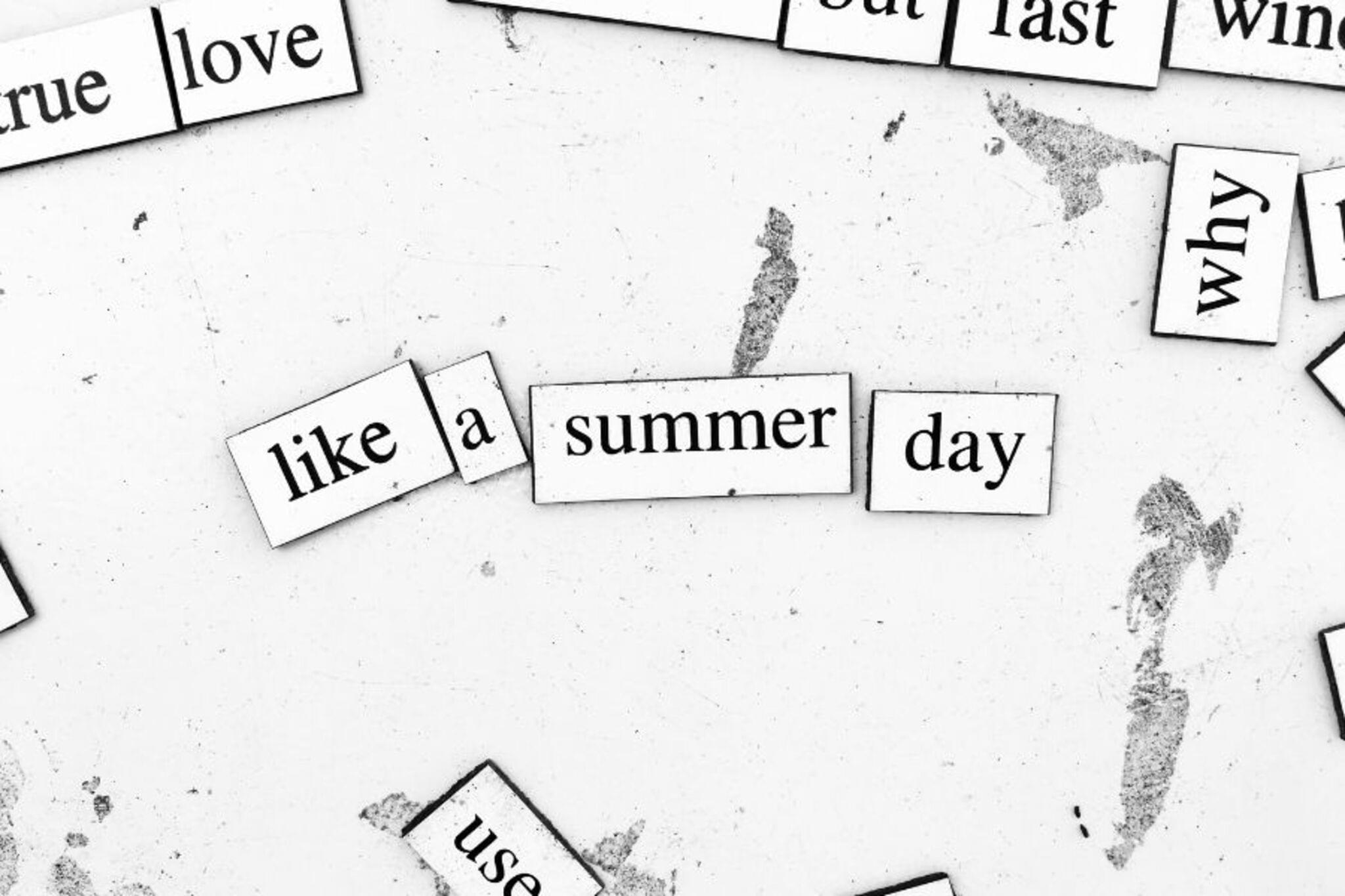

Step-by-step guide to Finish The Statement!
TYPES OF SENTENCES 🎉 Statements, Questions, Exclamations and Commands ✍️ Grammar - Spelling for Kids
Step 1
Gather 3 or more players and sit in a circle so everyone can hear each other.
Step 2
Give each player two index cards and a pencil.
Step 3
On each card write one open-ended prompt that ends with "..." like "When I opened the old door, I found..."
Step 4
Fold each card and drop them into the bowl or hat.
Step 5
Choose who goes first by any fair method like rock paper scissors or youngest player.
Step 6
The starting player draws one folded card and reads the prompt aloud to the group.
Step 7
Set the timer for one minute for the current round.
Step 8
The starting player says one sentence to continue the story before the timer rings.
Step 9
Pass the turn to the next player on the left so they can add one sentence.
Step 10
Keep repeating drawing a card setting the timer and each player adding one sentence until the group agrees the story is finished or each player has added three sentences.
Step 11
Write a fun title for your finished story on a sheet of paper and decorate it with colouring materials.
Step 12
Share your finished creation on DIY.org
Help!?
What can we use if we don't have two index cards per player?
Cut printer paper into index-card-sized rectangles or use sticky notes and a pencil, then fold each paper and drop them into the bowl or hat exactly as the instructions say.
What should we do if players talk over each other or the one-minute timer isn't noticed?
If players talk over each other or the one-minute timer isn't heard, have the card-reader hold up the folded card, use a louder phone timer or a small bell, and remind everyone to wait their turn before adding one sentence when the turn passes to the left.
How can we change the game for younger or older children?
For younger kids, use picture prompts or have an adult read each folded card and give 60–90 seconds per round with allowed two-sentence turns, while for older kids shorten the timer to 30 seconds, require a genre or rhyme, or keep the original rule of up to three sentences per player for more challenge.
How can we extend or personalize our finished story after writing the title?
After writing a fun title and decorating it with colouring materials, bind the pages into a small booklet, add illustrations for each sentence, and record a group performance to share on DIY.org.
Watch videos on how to Finish The Statement!
Learn How to Make Conditional Statements in English | Essential Sentence Patterns & Grammar
4 Videos
Learn How to Make Conditional Statements in English | Essential Sentence Patterns & Grammar
How to Write an Essay for Beginners - Outline to Draft
How to Write an Essay: Introduction Paragraph (with Worksheet)
Practice Making Conditional Statements in English | Essential Sentence Patterns & Grammar
Facts about storytelling and creative writing for kids
📝 Mad Libs, the popular fill-in-the-blanks game, were created in 1953 by Leonard Stern and Roger Price.
🎭 The improv rule 'Yes, and...' teaches players to accept ideas and build on them—great for group storytelling and teamwork.
🧠 Creative writing prompts and sentence-completion exercises help boost divergent thinking—the skill of inventing many different ideas.
🤝 Exquisite Corpse, a collaborative drawing and writing game, started with Surrealist artists in the 1920s as a playful group exercise.
📚 Teachers widely use open-ended sentence prompts to practice vocabulary, speaking, and quick creative writing in classrooms.
How do you play Finish The Statement! group game?
What materials do I need for Finish The Statement!?
What ages is Finish The Statement! suitable for?
What are the benefits and fun variations of Finish The Statement!?
