Final Thoughts on ASL
Make a short video signing your favorite ASL signs and reflections, then teach a friend a few signs to practice together.


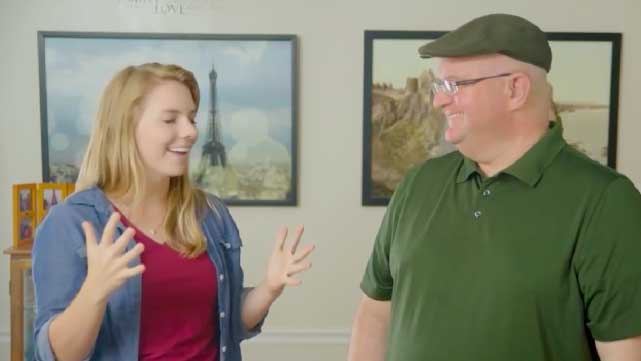

Step-by-step guide to Final Thoughts on ASL
Step 1
Pick four favorite ASL signs you want to show in your video.
Step 2
Write each sign name in your notebook and write one short sentence about why you like each sign.
Step 3
Draw or color a small picture next to each sign name to help you remember them.
Step 4
Practice each sign in front of a mirror three times so your handshapes and movements feel natural.
Step 5
Write a short script of one or two sentences that introduces you and says what you learned about the signs.
Step 6
Clear a quiet well-lit spot to film and set up any props or drawings you will use in the video.
Step 7
Record a short video where you introduce yourself then show each sign and say your one-sentence reflection for each sign.
Step 8
Watch your video once and choose the best take or re-record one more time if you want to improve it.
Step 9
Teach your friend three of the signs by showing each sign and having them copy it three times.
Step 10
Play a one-minute signing game with your friend where you take turns signing and guessing what each other signed.
Step 11
Share your finished video and a short note about the signs and reflections on DIY.org
Help!?
I don't have a mirror or any special props—what can I use instead to practice and film the signs?
Use your phone's front camera as a mirror while you practice handshapes and replace props or drawings with printed pictures or small household items placed next to your notebook for the video.
My handshapes look different on video and my friend has trouble copying them—how can I fix that?
Slow down and practice each sign in front of the mirror or phone camera three times focusing on the handshape and movement, then show your recorded take to your friend and have them copy each sign three times during the Teach step.
How can I change the activity for younger children or make it more challenging for older kids?
For younger children, choose two simple signs, draw big pictures in the notebook, and practice fewer repetitions, while older kids can pick more than four signs, write a longer script, and add captions to the video before sharing on DIY.org.
What are some ways to make our final video more creative or personal?
Use labeled cards from your notebook as on-screen prompts, arrange a few simple props in your quiet well-lit spot, say your one-sentence reflection after each sign as in the script, and upload the best take to DIY.org with a short personalized note.
Watch videos on how to Final Thoughts on ASL
Basic ASL Signs for Kids | American Sign Language Day | Twinkl USA
4 Videos
Basic ASL Signs for Kids | American Sign Language Day | Twinkl USA

Free ASL Training for Educators: Tips & Strategies for the Classroom!
Your Kids First ASL Lesson | Free Homeschool Lesson

ASL Homeschool Curriculum | 30+ Weeks of ASL Lessons
Facts about American Sign Language for kids
🤟 American Sign Language (ASL) is a natural language with its own grammar and syntax — it's not just English on the hands.
🎥 Recording yourself signing helps you spot handshape, movement, and facial expression details that you might miss in real time.
🧑🤝🧑 Teaching a friend a few signs is one of the fastest ways to remember them — explaining helps your brain lock them in!
🎓 Gallaudet University in Washington, D.C., is a well-known university dedicated to the higher education of Deaf and hard-of-hearing students.
🌍 There are hundreds of different sign languages around the world — ASL is widely used in the U.S. and parts of Canada but is not universal.
How do you do the Final Thoughts on ASL activity?
What materials do I need for the Final Thoughts on ASL activity?
What ages is the Final Thoughts on ASL activity suitable for?
What are the benefits of doing the Final Thoughts on ASL activity?
