Factual Podcasts vs. Storytelling
Create two short podcasts: a factual mini-news episode and a fictional storytelling episode; plan scripts, record using a phone, and compare differences.


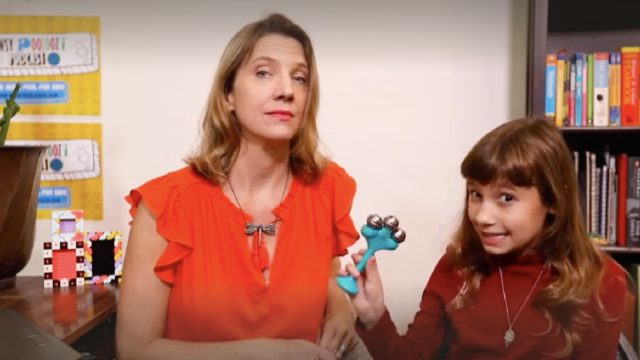

Step-by-step guide to Factual Podcasts vs. Storytelling
Step 1
Find a quiet spot to work where you can hear yourself clearly.
Step 2
Choose a factual news topic you know is true and simple to explain.
Step 3
Choose a fictional story idea with a main character and a problem to solve.
Step 4
Write a short factual script that answers who what when where and why and will last about 30 to 60 seconds when read.
Step 5
Write a short fictional script that shows characters a setting a problem and an ending and will last about 30 to 60 seconds when read.
Step 6
Practice reading your factual script aloud until your voice sounds clear and steady.
Step 7
Practice reading your fictional script aloud using expressive voices and emotion for the characters.
Step 8
Open your phone’s voice recorder app and get ready to record.
Step 9
Record your factual episode by pressing record then reading your factual script clearly and stopping when finished.
Step 10
Record your fictional episode by pressing record then reading your fictional script with character voices and stopping when finished.
Step 11
Play back the factual recording and listen carefully to your tone and details.
Step 12
Play back the storytelling recording and listen carefully to your emotion and pacing.
Step 13
Write down three differences you notice between the factual episode and the storytelling episode such as tone pace level of detail or structure.
Step 14
Share your finished creation on DIY.org
Help!?
What can we use if we don't have a phone's voice recorder app?
Use a tablet, laptop with a built‑in microphone, or a cheap USB/headset mic plus a free recording program to follow the step 'Open your phone’s voice recorder app and get ready to record.'
My recordings are too quiet or have background noise—how can we fix that?
Move to a quieter spot from step 1, place your mouth about 6–12 inches from the phone or mic while you 'Record your factual episode,' speak clearly, and then check levels during the 'Play back' steps and re-record if necessary.
How can we adapt this activity for a 5-year-old versus a 12-year-old?
For a 5-year-old, make each factual or fictional script one short sentence and have an adult help during 'Practice reading' and recording, while a 12-year-old can expand the 30–60 second scripts with more facts or character detail and experiment with expressive voices.
How can we enhance or personalize the podcast beyond the basic recordings?
Add homemade sound effects when you 'Record your fictional episode,' layer simple background music and trim clips in a free editing app after the 'Play back' steps, and then share the polished result on DIY.org.
Watch videos on how to create factual and storytelling podcasts
How Can You Start a Podcast? | Podcasting for Kids on Outschool (PART 1)
4 Videos
How Can You Start a Podcast? | Podcasting for Kids on Outschool (PART 1)
The Best Podcasts for Kids
How We Create Podcasts Kids (and Parents) Love 🎧 | Inside Lingokids

5 Best Storytelling Podcasts You Don't Want to Miss
Facts about podcasting and media literacy
🎧 The word "podcast" mixes "iPod" and "broadcast" — the term was popularized in 2004.
📰 News podcasts follow broadcast journalism rules: verify sources, state facts, and keep a clear, neutral tone.
🎙️ You can record a great-sounding podcast with just a smartphone, a quiet room, and a free recording app.
🎭 Radio dramas (like the famous 1938 "War of the Worlds") show how sound effects and voices make fiction feel real.
🔁 Listening to both a mini-news episode and a story episode helps you spot differences in pacing, tone, and sound design.
How do I guide my child to make a factual mini-news podcast and a fictional storytelling episode?
What materials do I need to make two short podcasts with my child?
What ages is this podcast activity suitable for?
What are the benefits of doing factual podcasts vs storytelling with kids?
