Epic Art: Rocks and Minerals
Create a colorful rock and mineral art display by painting, arranging, and labeling stones to explore textures, colors, and basic mineral properties.


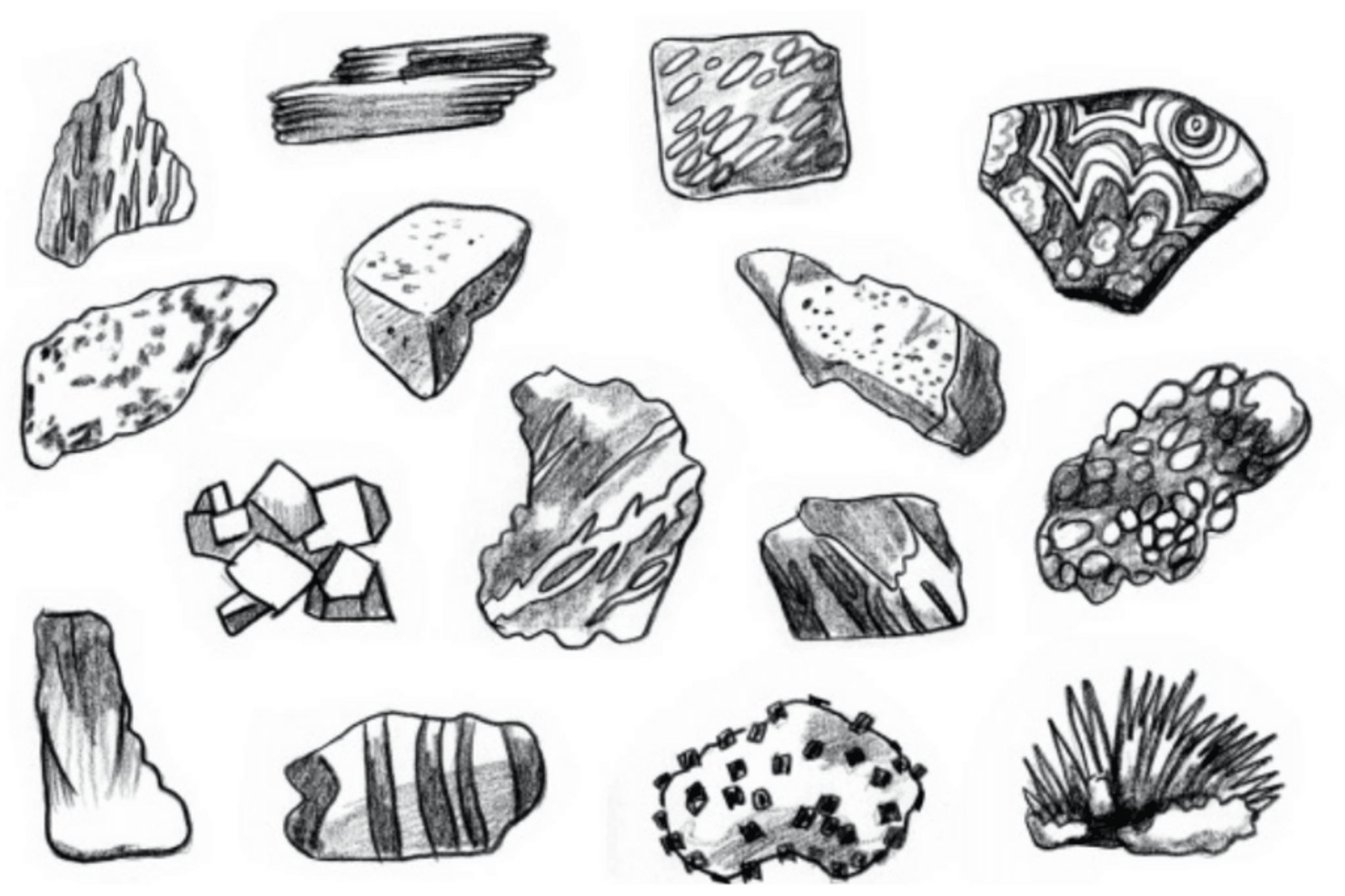

Step-by-step guide to Epic Art: Rocks and Minerals
What Are Rocks and How Do They Form? Crash Course Geography #18
Step 1
Spread the newspaper or table cover on your work surface to protect it.
Step 2
Put all your materials on the covered table within easy reach.
Step 3
Rinse each rock under running water to remove dirt and sand.
Step 4
Dry the rocks with a towel until they are completely dry.
Step 5
Choose paint colors and decide a design for each rock.
Step 6
Squeeze small amounts of paint onto the paper plate or palette.
Step 7
Paint a base coat on each rock to cover the surface.
Step 8
Let the base coats dry until they are not sticky to the touch.
Step 9
Use a small brush or the fine-tip marker to add details like stripes dots or mineral patterns.
Step 10
Write each rock’s name or a short note about its color or texture on masking tape or an index card.
Step 11
Attach the label to the rock with a small piece of tape or place the card next to the rock.
Step 12
Arrange the labeled rocks on the tray or in the box grouping similar colors shapes or textures.
Step 13
Ask an adult to help brush or spray a clear sealer over the rocks to protect the paint if you want them to last.
Step 14
Share your finished rock and mineral art display on DIY.org.
Help!?
What can I use instead of a clear sealer spray if I don't have one?
If you don't have a clear sealer spray, an adult can brush on a thin coat of clear acrylic varnish or Mod Podge over the painted rocks to protect the paint.
My base coats are still sticky even after waiting — what should I do?
If base coats stay sticky after following the 'let the base coats dry until they are not sticky' step, try re-drying the rocks with the towel before painting, apply thinner coats of paint, or use a hair dryer on low heat to finish drying.
How can I adapt this activity for different age groups?
For younger children, use washable tempera paint, thicker brushes, and pre-cut masking-tape labels placed by an adult, while older kids can add fine mineral patterns with a fine-tip marker and handle the spray sealer with supervision.
How can we extend or personalize our rock and mineral display after arranging the labeled rocks?
To personalize and extend the project, make themed groups (like 'ocean' or 'galaxy'), add texture with glue and glitter before sealing, write a short story on each index card label, and photograph the arranged tray to share on DIY.org.
Watch videos on how to create Epic Art: Rocks and Minerals
A Complete Overview of Rocks and Minerals
4 Videos

A Complete Overview of Rocks and Minerals
Exploring Rocks and Minerals
How Rocks are Formed | The Rock Cycle Explained !!

The Rock Cycle Explained: How Rocks Form and Change Over Time
Facts about geology for kids
🪨 Rocks are made of one or more minerals — for example, granite is a mix of quartz, feldspar, and mica.
🔬 The Mohs hardness scale goes from 1 (talc) to 10 (diamond) and you can do simple hardness tests at home with a fingernail, coin, or nail.
🌈 Mineral colors often come from tiny impurities (amethyst is purple because of iron), which is great inspiration for rock-painting palettes.
📏 Smooth stones were often polished by water over many years, while jagged rocks usually broke off more recently.
💎 Gemstones are just colorful, prized minerals that have been cut and polished — your painted display can show the difference between raw minerals and shiny gems.
How do I do the Epic Art: Rocks and Minerals activity with my child?
What materials do I need for the Epic Art: Rocks and Minerals project?
What ages is the Epic Art: Rocks and Minerals activity suitable for?
What safety tips should I know for a rocks and minerals painting display?
