Earth Day Activity: Protect the Earth from Asteroids
Build a tabletop Earth and asteroid model, then design and test simple deflection methods using marbles, cardboard, and safe tools to learn physics.


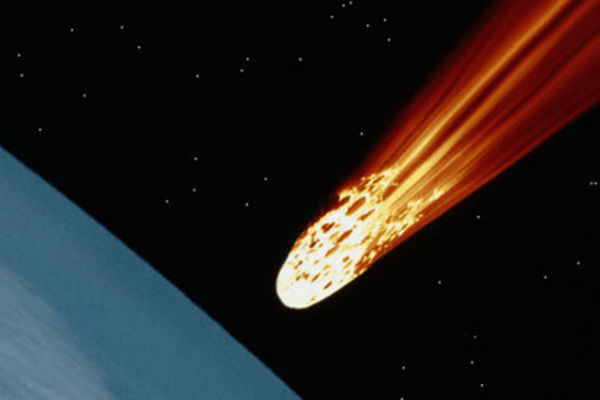

Step-by-step guide to Protect the Earth from Asteroids
Earth Day for Kids | Learn how to celebrate the earth!
Step 1
Gather all the materials listed and bring them to your workspace.
Step 2
Clear a flat workspace so you have room to build and test.
Step 3
Put the tray or shallow box in the middle of your workspace to catch marbles.
Step 4
Decorate the small foam ball with markers to look like Earth.
Step 5
Place the decorated Earth ball in the center of the tray.
Step 6
Draw a circle around the Earth ball on the tray to show the orbit path.
Step 7
Draw a straight starting line at one edge of the tray where marbles will roll from.
Step 8
Fold a piece of cardboard into a ramp or angled wall shape to make a deflector.
Step 9
Tape the cardboard ramp to the tray at the spot where you want to deflect marbles.
Step 10
Roll one marble from the starting line toward the Earth to run a baseline test.
Step 11
Mark where the marble stopped with a pencil dot so you can compare results.
Step 12
Change the ramp angle or add a small cardboard barrier to try a different deflection.
Step 13
Roll another marble from the starting line to test your new setup.
Step 14
Share your finished tabletop Earth and asteroid experiment on DIY.org.
Help!?
What can we use instead of the small foam ball or marbles if those are hard to find?
Use a ping-pong ball or tightly crumpled aluminum foil wrapped with tape for the Earth and small beads or polished pebbles in place of marbles when you place the decorated Earth ball in the center and roll marbles from the starting line.
The marble keeps rolling past the tray or the ramp keeps falling—how can we fix that?
Make sure the tray is on a clear, level workspace, press extra tape under and along the folded cardboard ramp where you tape it to the tray, and anchor the Earth foam ball with a dab of playdough so the marble's stop point that you mark with a pencil dot is consistent.
How can I adapt this activity for younger children or older kids who want a bigger challenge?
For younger kids, prefold the cardboard ramp, use larger balls instead of marbles, and let them color the foam Earth and draw the orbit, while older kids can measure ramp angles with a protractor, record multiple trial distances after rolling from the starting line, and compare results.
What are some fun ways to extend or personalize the tabletop Earth and asteroid experiment?
Try adding multiple taped cardboard ramps to test different deflection strategies, swap marbles for different-sized 'asteroids' to see how outcomes change, paint the tray as space, time marble runs with a stopwatch, and photograph your finished tabletop Earth to share on DIY.org.
Watch videos on how to Protect the Earth from Asteroids
What is Earth Day? Education Video for Kids - Kids Academy
4 Videos
What is Earth Day? Education Video for Kids - Kids Academy

Earth Day - Caring for our planet
Earth Day Activities for Kids | Earth Day | Twinkl USA

🌍 EARTH DAY - Educational Film | Ecology & Fun Facts 🌱
Facts about space science and physics for kids
🚀 DART was the first mission to deliberately change an asteroid's orbit when it impacted Dimorphos in 2022.
🌍 Over 95% of known asteroids orbit in the main asteroid belt between Mars and Jupiter.
🪨 Asteroids come in many sizes — from pebble-sized rocks to Ceres, a dwarf planet about 940 km across.
⏳ Tiny velocity changes applied years before an impact can be enough to make an asteroid miss Earth.
🎯 Scientists study real deflection ideas like kinetic impactors and gravity tractors to protect our planet.
How do I set up and run the Earth Day 'Protect the Earth from Asteroids' tabletop activity?
What materials do I need for the tabletop Earth and asteroid deflection activity?
What ages is the Earth Day asteroid deflection activity suitable for?
What safety tips and fun variations can we use for this asteroid deflection activity?
