Dress Up as your Favourite TV Show/ Movie Character
Choose your favorite TV or movie character and assemble a costume using safe household clothes, simple props, and face paint, then perform a short scene.


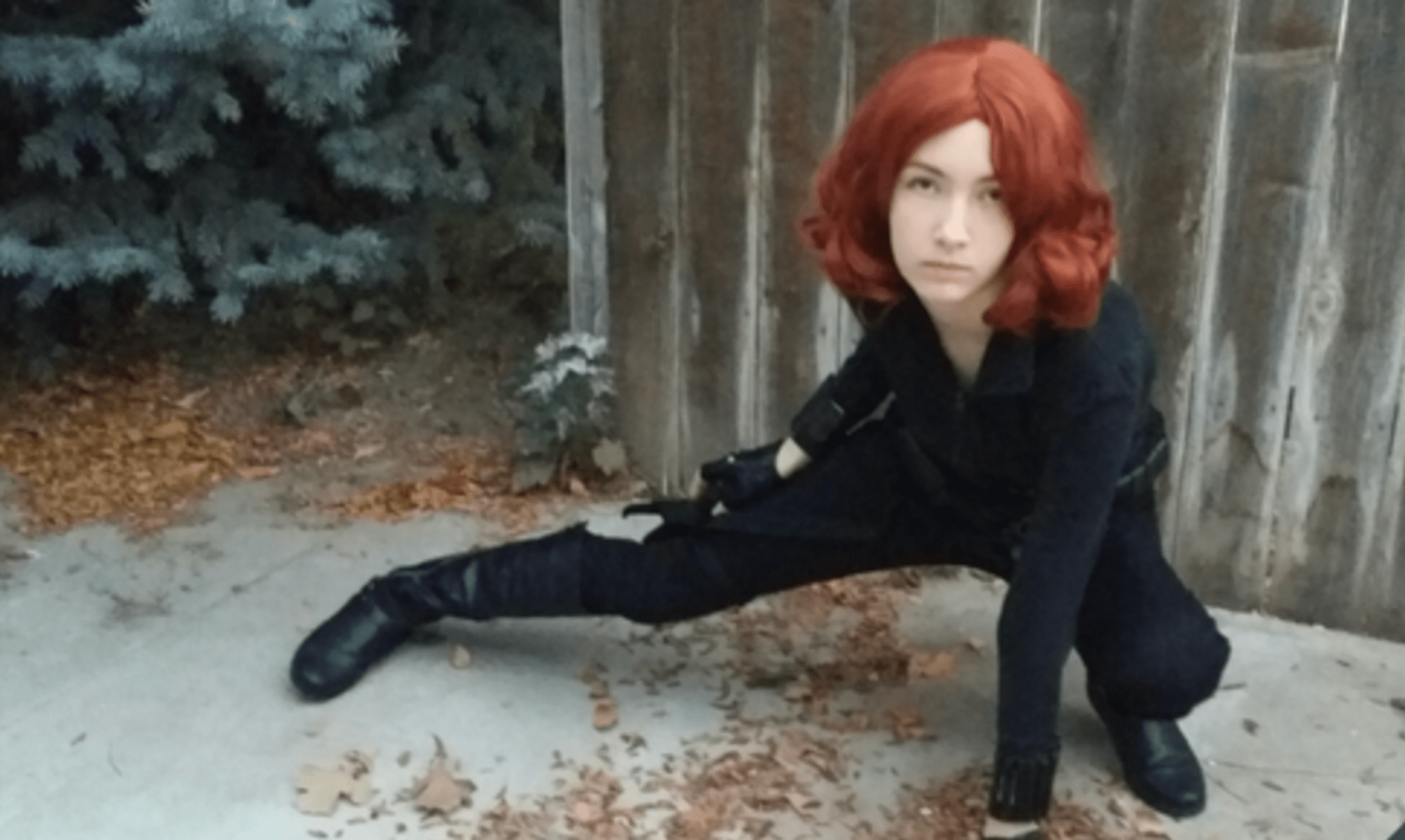

Step-by-step guide to dress up as your favorite TV or movie character
Dressing Like 10 Cartoon Characters! Outfits + Costume Ideas
Step 1
Choose your favorite TV show or movie character and say their name out loud.
Step 2
Look at a picture or a short clip of that character to notice special colors hair and accessories.
Step 3
Pick clothes from your wardrobe that match the character's colors or overall style.
Step 4
Lay the chosen clothes on your bed or floor so you can see the whole outfit at once.
Step 5
Gather accessories like hats scarves belts and any small items you can use as props.
Step 6
Draw a simple prop shape on cardboard like a badge a shield or a magic wand.
Step 7
Cut out the prop shape from the cardboard with safety scissors while an adult helps.
Step 8
Decorate the cardboard prop using colouring materials and tape to add details.
Step 9
Use face paint or safe makeup to add one or two simple character features like a moustache freckles or a mask.
Step 10
Put on your costume pieces accessories and prop so you feel like the character.
Step 11
Practice and perform a short scene for your family or in front of the mirror using the character's voice and gestures.
Step 12
Share your finished costume performance on DIY.org
Help!?
What can I use instead of cardboard or safety scissors for the prop if I can't find them?
Use a clean cereal-box panel or the side of a shoe box instead of cardboard and have an adult cut the shape with regular scissors or a craft knife, then reinforce edges with tape before you decorate.
My cardboard prop keeps tearing or the colours smudge when I decorate—what should I do?
Before cutting, tape both sides of the cardboard for strength and use markers or stickers instead of watery paints so the 'Decorate the cardboard prop using colouring materials and tape' step doesn't smudge.
How can we adapt the steps for younger children or older kids?
For younger kids, lay out pre-chosen wardrobe pieces, have an adult pre-cut and draw the prop shape, and simplify face paint to one feature, while older kids can add sewn details, more face-paint effects, and write a longer scene to perform.
How can we extend or personalise the costume and performance?
Personalise accessories with fabric scraps, stickers, or battery tea-lights, add unique details with tape and coloured materials on the cardboard prop, and film your practiced scene to share the finished costume performance on DIY.org.
Watch videos on how to dress up as your favorite TV or movie character
Learn Literary Character Types Using TV and Movie Clips
3 Videos
Learn Literary Character Types Using TV and Movie Clips

How to Create A TV Character and Develop Their Arc
Junior Dress Up Party! ft. PAW Patrol + Shimmer & Shine 🌟| Jr. Dress Up Ep. 6 | Nick Jr.
Facts about costume making and dramatic play for kids
🎭 The term "cosplay" comes from "costume play" and was coined by Japanese reporter Nobuyuki Takahashi after he saw fans dressing up at a U.S. sci‑fi convention in 1984.
🎨 Face paint has been used for storytelling in theatre for centuries — Kabuki makeup in Japan uses bold colors to show a character's traits (red for heroes, blue for villains).
🧵 Many famous movie costumes are collectors' items — original outfits from blockbuster films often sell for thousands (sometimes millions) at auction.
♻️ DIY costumes are super eco‑friendly: reusing household clothes and simple props helps reduce waste while boosting creativity.
🎬 Cosplay performances (called masquerades or skits) are a big part of fan conventions — short scenes and character walks let cosplayers show acting and costume skills.
How do I help my child dress up as their favorite TV or movie character?
What materials do I need to dress up as a TV or movie character at home?
What ages is dressing up and performing suitable for?
What are the benefits of dressing up and acting out scenes?
