Draw Yourself In A Halloween Costume #DTIYS
Draw yourself wearing a Halloween costume, design colors and details, practice proportion and expression, then share your picture with friends or family.


Drawing Apps
Step-by-step guide to draw yourself in a Halloween costume
Fun Halloween Resources For Kids!
Step 1
Gather all your materials and place them on a flat table where you can draw comfortably.
Step 2
Stand in front of a mirror or pick a clear photo of yourself to use as a reference.
Step 3
Decide what Halloween costume you want to wear and pick the main colors you will use.
Step 4
Lightly draw an oval for your head and add a vertical center line and a horizontal eye line as simple guidelines.
Step 5
Draw your eyes nose and mouth on the guidelines to show the expression you want.
Step 6
Sketch a neck shoulders and the basic body shape using simple shapes like rectangles and ovals.
Step 7
Draw the main outline of your costume over the body shape like a cape hat mask or armor.
Step 8
Add smaller costume details such as patterns buttons stripes or spooky accessories.
Step 9
Erase extra guideline marks and use a black pen or marker to darken the important lines.
Step 10
Color your drawing carefully using the colors you chose for skin hair and costume.
Step 11
Show your finished drawing to a friend or family member and ask what they like about it.
Step 12
Share your finished creation on DIY.org
Help!?
What can I use if I don't have a mirror, black marker, or special art paints listed in the materials?
Use your phone's front camera or a clear selfie photo instead of a mirror, substitute a regular pen for the black pen/marker in the 'Erase extra guideline marks and use a black pen or marker' step, and use colored pencils, crayons, or washable markers instead of specialty paints when you 'Color your drawing carefully' in step 9.
My face looks uneven after drawing the features—what should I do?
If features look uneven after step 5, keep your initial oval and center/eye guidelines very light in step 4, compare frequently to your mirror or photo reference, erase stray lines with a clean eraser, then correct proportions before darkening lines with the black pen or marker in step 9.
How can I change the activity to suit different ages or skill levels?
For younger kids simplify step 6 by using big shapes and chunky crayons and skip detailed patterns in step 7, while older kids can add costume textures, tiny details, and careful shading before inking in step 9.
What are some ways to make the finished drawing more special or shareable?
Enhance your result by adding a background scene, gluing fabric scraps or stickers to costume details from step 7, take a well-lit photo of the colored drawing from step 9, and then Share your finished creation on DIY.org as instructed in step 11.
Watch videos on how to draw yourself in a Halloween costume
Fun Barbie Halloween Costume Ideas!
4 Videos
Fun Barbie Halloween Costume Ideas!
16 Halloween Costume Ideas with 1990s Nostalgia
Halloween Jokes for Kids
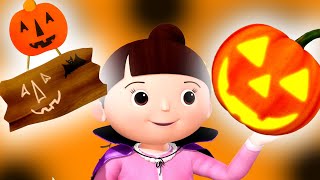
Get Dressed For Fun Halloween Time! 👗🎃
Facts about self-portrait drawing and costume design
🎃 Halloween grew from the ancient Celtic festival of Samhain, more than 2,000 years ago!
✏️ Artists have drawn self-portraits for centuries — Rembrandt made dozens, showing how fun and useful self-portrait practice can be.
👗 Costume designers start with quick sketches called croquis to plan outfits, colors, and how clothes move.
📐 Many artists use 'heads tall' rules (about 7–8 heads high) to keep human body proportions looking natural.
😄 Tiny changes to the eyes and mouth can flip a face from sad to joyful — expressions are all in the small details!
How do I draw myself in a Halloween costume?
What materials do I need to draw myself in a Halloween costume?
What ages is drawing yourself in a Halloween costume suitable for?
What are the benefits and creative variations of this Halloween drawing activity?
