Draw a political cartoon
Create a simple political cartoon using symbols, caricature, and captions to express a respectful opinion about a community issue, learning visual storytelling.


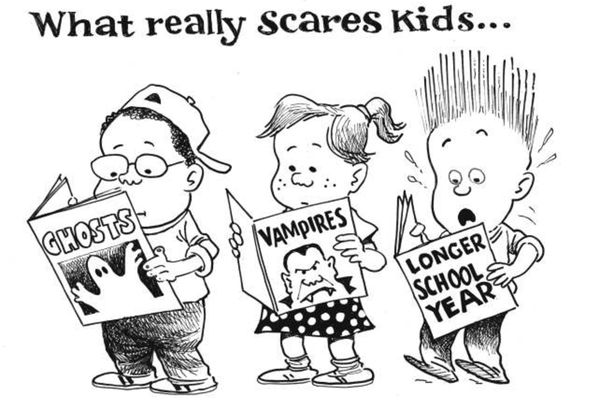

Step-by-step guide to draw a political cartoon
Cartooning-in-Place: How to Draw Political Caricatures | KQED News
Step 1
Pick one community issue you care about such as a park safety problem a littered playground or a busy crosswalk.
Step 2
Decide on one respectful opinion or message you want to share about that issue like “Keep our park clean” or “Slow down near schools.”
Step 3
Think of three simple symbols that could show your message for example a trash can a stop sign or a sad tree and write them down on scrap paper.
Step 4
Choose one character to draw as a caricature such as a friendly mayor a worried parent or a playful animal and decide which feature to exaggerate.
Step 5
Make a small thumbnail sketch on scrap paper to plan where the character symbols and caption will go.
Step 6
Lightly draw the main shapes of your cartoon on the final paper with your pencil following your thumbnail layout.
Step 7
Add details to the character and symbols keeping lines simple and the exaggerated features clear.
Step 8
Draw a speech bubble or caption box where your character will speak or where your message will appear.
Step 9
Write a short clear caption or speech in the bubble that expresses your respectful opinion in a few words.
Step 10
Trace over your pencil lines with the black marker to make the drawing bold and easy to read.
Step 11
Wait a moment for the marker to dry then gently erase any remaining pencil marks.
Step 12
Color your cartoon using your coloring materials keeping the symbols and main message bright and easy to see.
Step 13
Add a small title and sign your name so people know who created it.
Step 14
Ask an adult or friend to look at your cartoon to make sure the message is respectful and clear.
Step 15
Share your finished creation on DIY.org
Help!?
What can we use instead of the black marker if we don't have one?
If you don't have a black marker for step 10, trace over your pencil lines on the final paper with a dark ballpoint pen, thin Sharpie, or even a dark crayon so the drawing stays bold and easy to read.
What should we do if the cartoon looks crowded or the caption doesn't fit?
If your thumbnail sketch from step 5 leaves the caption or symbols crowded, make a second, larger thumbnail and lightly redraw the main shapes on the final paper (step 6) so you can adjust spacing before inking in step 10.
How can we adapt this activity for younger or older kids?
For younger kids, simplify steps 3 and 6 by choosing one large symbol and using stickers or chunky crayons on final paper, while older kids can add exaggerated details and clever captions (steps 7–9) or scan and edit the cartoon digitally before sharing on DIY.org.
How can we make the cartoon more impactful or personal?
To enhance your cartoon, create a three-panel sequence by repeating steps 5–12 to show cause and effect, add a clear title and your name (step 13), and include a short solution in the speech bubble to make the message stronger when you share it on DIY.org.
Watch videos on how to draw a political cartoon
How to draw President Trump Real Easy - Step by step
3 Videos
How to draw President Trump Real Easy - Step by step
How I draw Donald Trump: The Times political cartoonist
5 Steps to Make Your Own Political Art
Facts about civics and visual arts
🖼️ The word "cartoon" began to mean a humorous or satirical drawing in the 1840s after magazines like Punch used it that way.
🎭 Artists such as James Gillray and Honoré Daumier popularized political caricature in the 18th–19th centuries.
🗳️ Editorial cartoons have appeared in newspapers for over 200 years and have helped shape public debate on elections and local issues.
✍️ Many political cartoons use surprisingly few words—or none at all—and depend on widely known symbols to tell their message quickly.
💡 Cartoonists often reuse simple symbols (a dove for peace, scales for justice, a lightbulb for ideas) so readers can understand the idea instantly.
How do I help my child draw a political cartoon about a community issue?
What materials do I need to draw a political cartoon?
What ages is this activity suitable for?
What are the benefits of making political cartoons with kids?
