Do the Criss Cross
Make a criss-cross friendship bracelet using embroidery floss or yarn, learn knotting patterns, counting, and fine motor skills through hands on practice.


Step-by-step guide to make a criss-cross friendship bracelet
Step 1
Choose four colors of embroidery floss or yarn that you like.
Step 2
Cut each strand to about 24 inches (60 cm) long using scissors.
Step 3
Tie all four strands together with a tight overhand knot leaving a small loop at the top.
Step 4
Tape the loop to a table or clip it to a clipboard to anchor the strands.
Step 5
Arrange the strands flat left to right in the color order you want the bracelet to look.
Step 6
Make a forward double knot with the leftmost strand over the strand next to it by forming a "4" shape around the second strand pulling the tail through and tightening twice.
Step 7
Repeat Step 6 with the same leftmost strand across each strand until that strand reaches the center.
Step 8
Make a backward double knot with the rightmost strand over the strand to its left by forming a reverse "P" shape pulling the tail through and tightening twice.
Step 9
Repeat Step 8 with the same rightmost strand across each strand until that strand reaches the center.
Step 10
Tie the two center strands together with a forward double knot to finish one criss-cross row.
Step 11
Repeat Steps 6 through 10 to make more rows, counting each finished row, until the bracelet is the right length for the wrist.
Step 12
Tie a final tight overhand knot at the end and trim the extra tails with scissors.
Step 13
Share a photo of your finished criss-cross friendship bracelet on DIY.org.
Help!?
What can I use if I don't have embroidery floss or a clipboard to anchor the loop?
If you don't have embroidery floss, use thin cotton yarn, baker's twine, or two strands of regular yarn twisted together, and if you don't have tape or a clipboard for Step 4, fasten the loop with a safety pin to a cushion or clothing or use a binder clip on a book.
My knots keep loosening or the rows look uneven — how can I fix this?
If the forward knots in Step 6 or backward knots in Step 8 loosen or rows become uneven, hold the completed rows with your thumb, pull each half-knot firmly and tighten each double knot twice as the instructions say, and smooth the strands before moving to the next knot.
How can I adapt the activity for younger or older kids?
For younger children, use thicker yarn and fewer strands and have an adult help with the tight overhand knot in Step 3 and the double knots in Steps 6–10, while older kids can use more than four colors of embroidery floss, thinner strands, and count rows in Step 11 for patterned designs.
How can we personalize or make the bracelet more advanced?
To personalize or extend the project, add small beads onto strands before tying the loop in Step 3 and between rows in Step 11, change the color order in Step 5 to create initials or patterns, or make matching bracelets and braid the trimmed tails from Step 12 into decorative ties.
Watch videos on how to make a criss-cross friendship bracelet
CBeebies | Criss Cross Dance Tutorial | The Let's Go Club
3 Videos
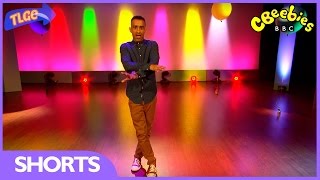
CBeebies | Criss Cross Dance Tutorial | The Let's Go Club
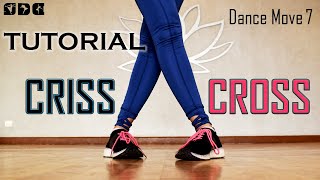
Dance Move - Criss Cross Tutorial | Shipra's Dance Class
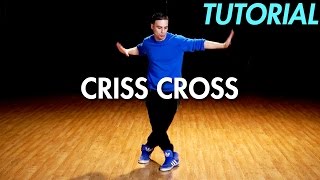
How to do the Criss Cross (Hip Hop Dance Moves Tutorial) | Mihran Kirakosian
Facts about friendship bracelet making
🧶 Friendship bracelets have roots in Central and South American textile traditions and became a global DIY craze in the 1970s.
🔁 The criss-cross (chevron) pattern is made by repeating forward and backward knots to form neat V-shaped stripes.
🎨 Embroidery floss usually has six thin strands that can be separated to make thinner threads or kept together for thicker bands.
🔢 Following knot sequences helps kids practice counting, pattern recognition, and sequencing — early math skills in disguise!
✋ Tying small knots builds fine motor skills and hand-eye coordination, which also helps with handwriting and other crafts.
How do you make a Criss Cross friendship bracelet?
What materials do I need for a Criss Cross friendship bracelet?
What ages is the Criss Cross bracelet activity suitable for?
What are the benefits of making a Criss Cross friendship bracelet?
