Do parkour
Learn and practice beginner parkour skills, including warm ups, basic rolls, vaults, balance, and obstacle course navigation on soft surfaces with adult supervision.


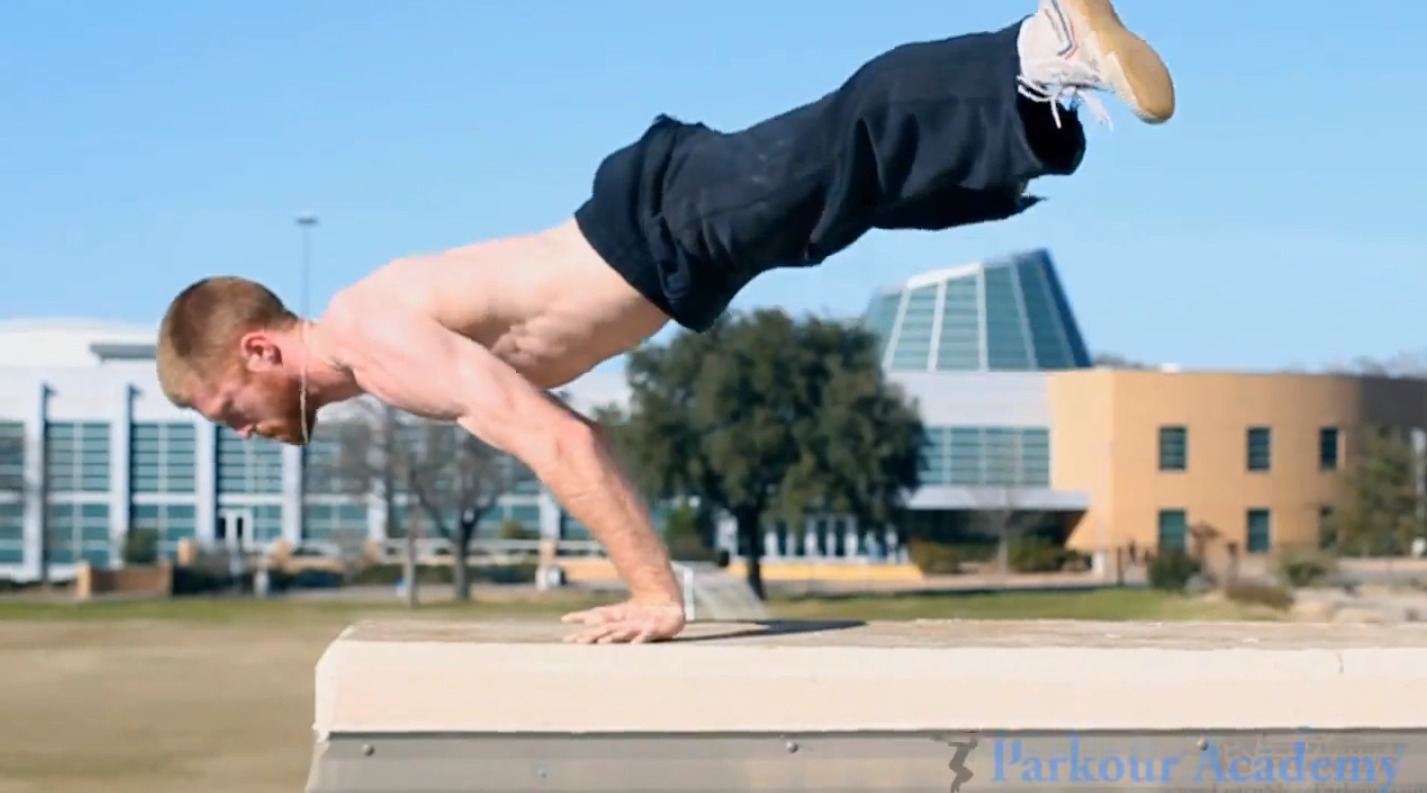

Step-by-step guide to doing beginner parkour skills
HOW TO LEARN PARKOUR! A Safe Tutorial On A Beginner Move 👍
Step 1
Clear a safe space and lay out your soft mats or sofa cushions to make a big padded landing area.
Step 2
Arrange pillows cones and the low box or chair to create a start a small jump a taped balance line and a vault station on the soft surface.
Step 3
Put on your comfortable clothes and sneakers and keep your water bottle nearby.
Step 4
Warm up by jogging on the spot for two minutes to get your muscles ready.
Step 5
Do wrist circles for thirty seconds to loosen your wrists for landings and vaults.
Step 6
Do ankle rolls for thirty seconds to warm your ankles and lower legs.
Step 7
Practice a basic forward roll five times on the mat using a tucked chin a squat push and a roll over one shoulder to stand up safely.
Step 8
Practice a safety vault five times over the low box starting very low then gradually higher as you feel safe by placing hands on the box pushing with your arms and swinging your lead leg over.
Step 9
Walk across the taped line or broom balance beam three times with your arms out and eyes looking forward to practice balance.
Step 10
Move slowly through your obstacle course twice combining a small jump a balance walk and a roll or vault each time.
Step 11
Cool down with gentle stretches for two minutes focusing on calves hamstrings and shoulders.
Step 12
Share your finished parkour routine and what you learned on DIY.org.
Help!?
What can I use instead of soft mats, sofa cushions, cones, or a low box if I don't have them?
Use folded blankets or yoga mats for the padded landing area, pillows or rolled towels in place of cones, and a sturdy ottoman or a stack of books on a stable tray as the low box while keeping the start and vault station set up the same.
I keep stumbling during the safety vault—what should I change?
If you struggle with the safety vault over the low box, lower the box or use a chair, practice placing your hands on the box and pushing with your arms while an adult spots you, and repeat very low vaults until you can swing your lead leg over safely.
How can I adapt this parkour course for younger or older kids?
For younger children remove the vault station and reduce jump height while focusing on walking the taped balance line and basic forward rolls, and for older kids raise the low box gradually, add more small jumps and make the course two timed laps combining jump, balance, and roll.
How can we extend or personalize this activity once we finish?
Extend and personalize the routine by timing runs, inventing new combo moves (for example small jump + roll + vault), decorating your pillows and cones, and sharing the finished parkour routine and what you learned on DIY.org as the instructions suggest.
Watch videos on how to practice beginner parkour skills
Learn Safe Parkour Skills with Dream Team Kids | Fun videos for Kids
4 Videos
Learn Safe Parkour Skills with Dream Team Kids | Fun videos for Kids
10 Parkour Moves Anyone Can Learn
10 Parkour Tricks for Beginners (Learn Parkour and Freerunning)
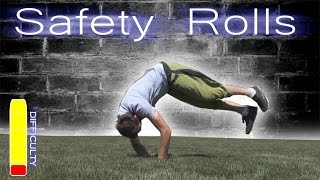
PARKOUR SAFETY ROLLS Tutorial - Forward Roll, Side Roll, Back Roll
Facts about parkour for kids
🏃♂️ Parkour started in France and was popularized in the 1990s by David Belle and the Yamakasi group.
🤸♀️ The parkour roll (safety roll) helps spread landing force across your body so jumps are gentler on joints.
🧑🎤 A person who practices parkour is called a "traceur" (traceuse for females).
🌱 Beginners are safer practicing on soft surfaces like grass, foam pits, or gym mats while learning new moves.
🏋️♂️ Short sprints, balance drills, and plyometrics boost the strength and explosiveness used in vaults and jumps.
How do I teach my child beginner parkour safely?
What materials and equipment do I need for a kid's beginner parkour session?
What ages are suitable for children to start learning beginner parkour?
What are the benefits and key safety tips for kids doing beginner parkour?
