Design the ultimate library
Design and build a miniature ultimate library model using cardboard, paper, and labels; plan sections, cozy reading nooks, and organize books for visitors.


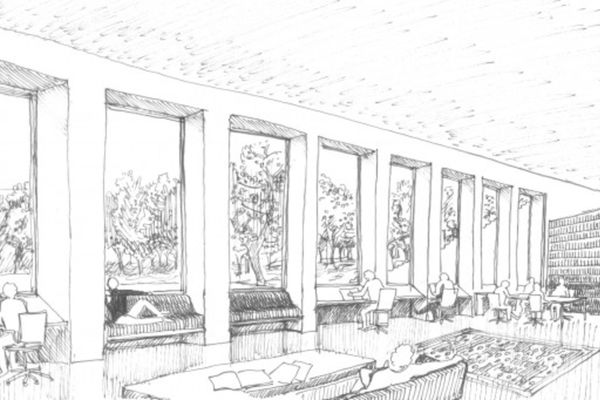
Step-by-step guide to design the ultimate library
Making the Library a More Welcoming Space
Step 1
Choose a fun theme for your miniature library like space animals or adventure tales.
Step 2
Draw a simple floor plan on paper showing where the shelves sections and cozy reading nook will go.
Step 3
Cut a piece of cardboard to match your floor plan size to make the library base.
Step 4
Cut cardboard strips for shelves and any small furniture pieces you want.
Step 5
Fold each cardboard strip into the shape of a shelf or furniture piece.
Step 6
Attach the shelves and furniture to the cardboard base with glue or tape where you marked them on the plan.
Step 7
Fold small rectangles of paper to make lots of miniature book shapes.
Step 8
Decorate each book cover with colouring materials to make bright fun titles.
Step 9
Write short titles or author names on the book spines with a marker or pen.
Step 10
Arrange and group the books on the correct shelves according to your floor plan sections.
Step 11
Make a tiny chair cushion or box-seat for the cozy reading nook and place it in the nook.
Step 12
Add labels for each section and a library sign so visitors know where to find things.
Step 13
Take a picture and share your finished miniature ultimate library on DIY.org
Help!?
What can we use instead of a large sheet of cardboard or craft glue if we don't have them?
Use a shoebox or flattened cereal boxes taped together as the cardboard base and replace craft glue with double-sided tape, glue sticks, or (with adult help) a hot-melt glue gun.
My folded cardboard shelves keep collapsing — how can I fix them so they stay upright on the base?
Fold each cardboard strip into a box or triangle brace, glue or tape small tabs under the shelf to anchor them to the marked base, and weigh down shelves with extra folded paper books while glue dries.
How can I adapt this project for preschoolers or for older kids who want a challenge?
For preschoolers, pre-cut the base and shelf strips, use stickers to decorate book covers and chunky folded books, and let them place labels, while older kids can draw a scaled floor plan, cut shelves precisely with a craft knife, add detailed miniature furniture, and arrange sections by genre.
What are simple ways to extend or personalize the miniature library once it's built?
Add a tiny checkout desk and library cards, paint a themed mural on the cardboard base, attach battery-powered fairy lights over the cozy nook, or create a photographed catalog of your miniature books to share on DIY.org.
Watch videos on how to design the ultimate library
School Library Activities
4 Videos

School Library Activities
Library Orientation: How to Take Care of Your Library Book - Library Skills for Kids
Library Manners | The Loud Library | Schooling Online Kids full lesson
Using the Library: Kids Edition! | How To
Facts about architecture and model-making for kids
📚 The Library of Congress is the largest library in the world — it holds over 170 million items!
🗂️ The Dewey Decimal System, created in 1876, groups all knowledge into 10 main classes to help you find books fast.
🏠 Miniature model makers often use dollhouse scales like 1:12 (1 inch = 1 foot) or 1:24 to make realistic tiny rooms.
♻️ Corrugated cardboard is made mainly from recycled paper and is one of the easiest materials to reuse for model-building.
🎒 Many modern libraries lend more than books — you can sometimes borrow tools, musical instruments, and even cake pans!
How do I design and build a miniature ultimate library model?
What materials do I need to make a miniature library model?
What ages is building a miniature library suitable for?
What are the benefits of designing a miniature library with kids?
