Design for the future you
Make a future self vision board and mini time capsule; draw goals, set steps, and plan small habits to practice goal-setting.


Step-by-step guide to Design for the Future You
Making Plans | Planning a Holiday | How to Make Plans in English | Future with Going to
Step 1
Clear a table and spread out your materials so everything is easy to reach.
Step 2
Sit quietly for one minute and imagine who you want to be in 3 to 5 years.
Step 3
On your poster write three big goals for your future self using big letters.
Step 4
Find or draw one picture for each goal that shows what that goal looks like.
Step 5
Glue or tape each picture next to the matching goal on your poster.
Step 6
Under each goal draw one tiny habit you can do every day to help that goal.
Step 7
On separate index cards write one very small first step for each goal.
Step 8
Draw a weekly habit tracker on your poster with seven boxes and label the days.
Step 9
Write a short letter to your future self saying how you feel today and what you want to remember.
Step 10
Fold your letter and put it plus your index cards and one small meaningful item into the box or jar.
Step 11
Close and seal the box or jar and write a date on it for when you will open it in the future.
Step 12
Hang or tape your vision board on a wall or door where you will see it every day.
Step 13
Choose one tiny habit from your board to practice first.
Step 14
Do that tiny habit one time right now to start your practice.
Step 15
Take a photo of your finished vision board and time capsule and share it on DIY.org
Help!?
What can we use if we don't have index cards, glue, or a box/jar?
Cut pieces of cereal box or cardstock to write each very small first step instead of index cards, use a glue stick, double-sided tape, or stapler in place of wet glue to attach pictures, and repurpose a shoebox, clean coffee tin, or envelope to hold your folded letter and index cards for the time capsule.
My pictures keep falling off and my habit tracker smears—how can we fix that?
Secure pictures with double-sided tape or photo corners and press them flat to dry, and redraw the weekly habit tracker with a fine-tip permanent marker or let ink dry under a book so the seven boxes and day labels don't smear.
How can we change the activity for different ages?
For preschoolers use two simple goals with big stickers and a parent-written sentence for the letter, for elementary kids have them draw pictures and write one tiny habit and one index-card step, and for teens ask for measurable 3–5 year goals, a detailed tiny-habit plan, and a dated habit tracker to build accountability.
How can we make this vision board and time capsule more personal or longer-lasting?
Add printed photos or a small meaningful item like a keychain inside the box or jar, laminate or cover the poster with clear contact paper to protect the glued pictures and weekly habit tracker, write milestone dates on the poster, and set a calendar reminder to open the box and share the photo on DIY.org.
Watch videos on how to Design for the Future You
Talking about Future Plans | Future Simple and Present Simple
4 Videos

Talking about Future Plans | Future Simple and Present Simple
How to Craft a 5 Year Plan | Brian Tracy

Life Planning - 4 Steps To Plan A Great Future
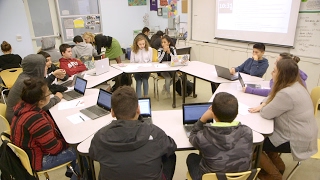
Flexible Classrooms: Making Space for Personalized Learning
Facts about goal-setting for kids
🎯 Writing down specific goals helps your brain focus — people who record goals are more likely to follow through.
🕰️ The Crypt of Civilization, sealed in 1940, is a famous time capsule planned to be opened in the year 8113.
🖼️ Many top athletes and performers use mental imagery (visioning) to rehearse success and boost confidence.
🔁 Research shows forming a new habit takes on average about 66 days, so tiny daily steps really add up.
📋 SMART is a handy goal-planning tool: Specific, Measurable, Achievable, Relevant, Time-bound.
How do you make a 'Design for the Future You' vision board and mini time capsule?
What materials do I need for a future self vision board and mini time capsule?
What ages is the 'Design for the Future You' activity suitable for?
What are the benefits of making a vision board and time capsule with my child?
