Design a fantasy animal
Invent and draw a fantasy animal using sketches, colored pencils, and simple descriptions; combine real animal traits and habitats to create a unique creature.


Drawing Apps
Step-by-step guide to design a fantasy animal
Cool Animal Lessons for Kids | Homeschool Pop
Step 1
Write the names of two real animals you like at the top of your paper.
Step 2
Choose one habitat for your fantasy animal.
Step 3
Draw a small symbol of that habitat beside the animal names.
Step 4
List three traits from the two animals such as wings fur claws or gills under the habitat.
Step 5
Circle the traits you want to combine to make your creature.
Step 6
Lightly sketch the basic body outline of your fantasy animal with your pencil.
Step 7
Add special features like tails horns fins or extra legs using clear lines.
Step 8
Erase extra sketch lines so your drawing looks neat and clean.
Step 9
Color your fantasy animal using your coloring materials.
Step 10
Add patterns or markings that help it hide hunt or stay warm in its habitat.
Step 11
Write a name for your creature and one short sentence about where it lives or what it eats.
Step 12
Share your finished creation on DIY.org
Help!?
What can we use if we don't have coloring materials, an eraser, or plain paper?
Use markers, crayons, or torn colored magazine pieces to color (step 8); substitute a kneaded or soft rubber eraser or even a clean folded scrap of paper to lift light sketch lines (step 7); and draw on notebook paper, cardboard, or the back of old printouts for steps 1 and 6.
My pencil sketch looks messy and erases poorly—how can I fix it?
Keep your initial lines very light when you 'Lightly sketch the basic body outline' (step 6), use a soft or kneaded eraser to remove unwanted marks (step 7), and if needed trace the cleaned final lines onto a fresh sheet before coloring (step 8).
How can I adapt this activity for different ages or skill levels?
For younger children simplify to one real animal, draw big shapes and use stickers for 'traits' and the habitat symbol (steps 1–4,6), while older kids can add detailed patterns, anatomical notes, a longer habitat sentence, or a scientific-style name (steps 9–11).
What are some fun ways to extend or personalize the fantasy-animal project?
Turn your colored drawing into a 3D model with clay or recycled materials, build a habitat diorama to show where it lives (step 2), create a mini field guide page with its name and one-sentence description (step 10), and then share photos or a short video on DIY.org (step 11).
Watch videos on how to design a fantasy animal
How to draw ANIMALS | Drawing Tutorial | Drawlikeasir
4 Videos
How to draw ANIMALS | Drawing Tutorial | Drawlikeasir
How To Design Anime Animals
Learn about Animals for Kids!
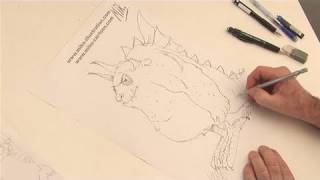
How To Design Fantasy Creatures
Facts about animal adaptations
🐉 Many mythical creatures are chimeras that mix parts of real animals — the Greek Chimera had a lion's head, goat's body, and serpent tail.
🦊 Arctic foxes change their fur color with the seasons to hide in snowy winters and tundra summers.
🌿 Velcro was inspired by burrs that stuck to a botanist's dog — a classic example of biomimicry from nature.
⚡ Cheetahs are built for speed with long legs and flexible spines that let them sprint in short bursts to catch prey.
🐟 Salmon are anadromous: they hatch in rivers, grow in the ocean, then swim back upstream to spawn.
How do I design a fantasy animal with sketches and a short description?
What materials do I need to invent and draw a fantasy animal?
What ages is this fantasy animal design activity suitable for?
What are the benefits of inventing and drawing fantasy animals?
