Design a Cool Planet
Design and build a model of a cool planet using clay, paper, and colors; choose climate, terrain, atmosphere, and possible alien life to explain.


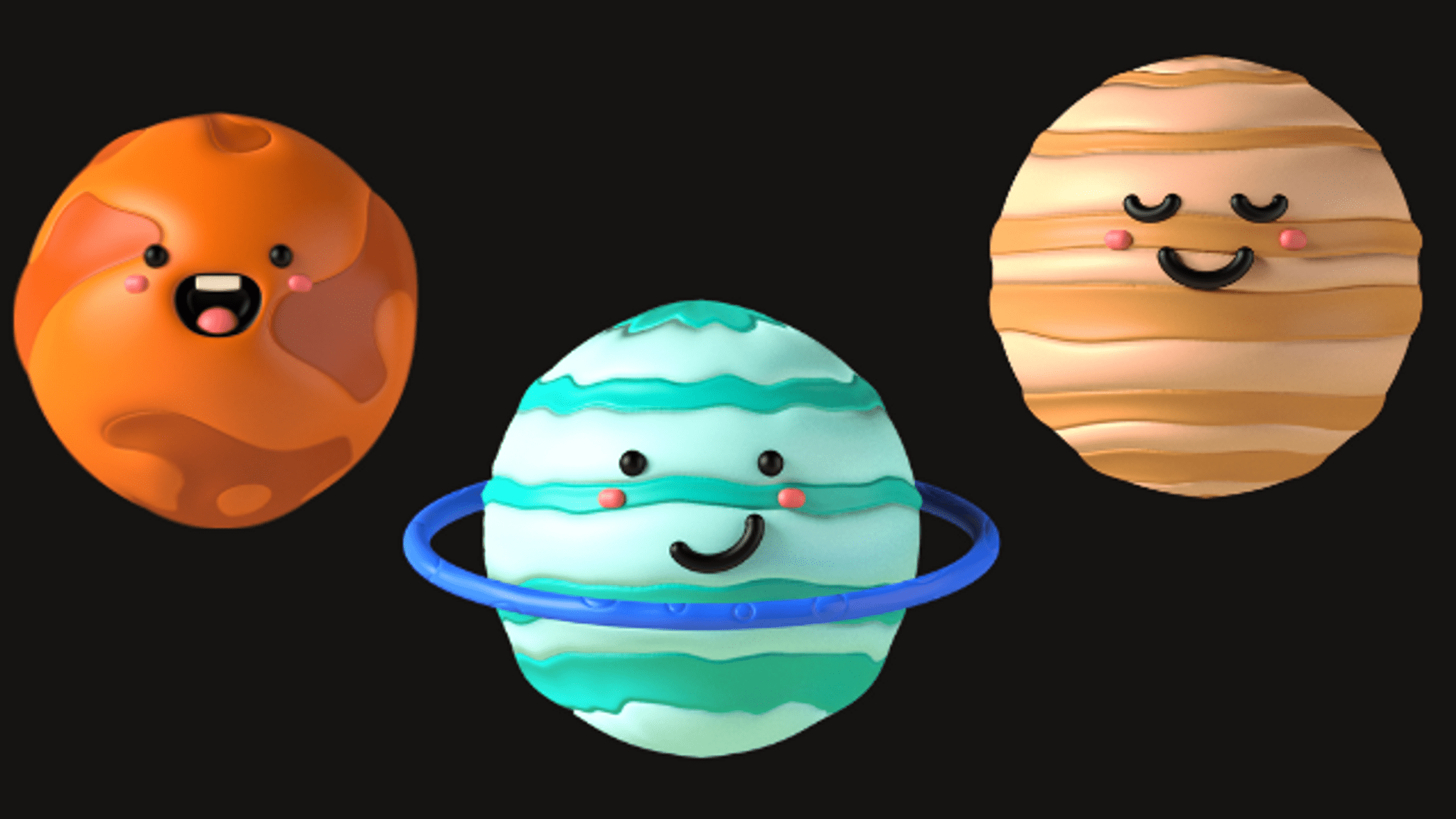

Step-by-step guide to design a cool planet
3D Planets and Dwarf Planet Craft For Kids | DIY Solar System Art Project | Planet and Space Facts
Step 1
Give your planet a fun name and draw a simple map and look of it on paper.
Step 2
Decide the planet's climate and write three main climate features on your sketch.
Step 3
Choose where the planet's terrain parts will go and mark locations for oceans mountains deserts and ice on your map.
Step 4
Pick the atmosphere color and one special atmosphere fact and write it beside the map.
Step 5
Roll clay into a smooth ball about the size of your palm to make the planet base.
Step 6
Shape small pieces of clay into mountains plateaus and landmasses and press them onto the clay sphere.
Step 7
Cut paper shapes for oceans ice caps or plains and glue them onto the sphere where your map shows them.
Step 8
Dip a fingertip in the small bowl of water and gently smooth any seams so pieces stick neatly.
Step 9
Use coloring materials to add surface colors clouds and an atmospheric glow on your planet.
Step 10
Sculpt two or three tiny alien lifeforms from clay or paper and give each a unique trait.
Step 11
Write short explanation tags describing the climate terrain atmosphere and each alien lifeform on small paper pieces.
Step 12
Attach each explanation tag next to the matching feature on your planet using toothpicks or glue.
Step 13
Share your finished Cool Planet creation on DIY.org
Help!?
If I don't have modeling clay, toothpicks, or a small bowl of water, what can I substitute?
For the 'roll clay into a smooth ball about the size of your palm' step you can use tightly crumpled aluminum foil wrapped in masking tape or air-dry/playdough, swap toothpicks for short wooden skewers or rolled paper strips to attach explanation tags, and use a damp sponge or cloth instead of a small bowl of water to gently smooth seams.
What should I do if the paper oceans or clay mountains won't stick or the seams stay lumpy?
If paper shapes peel or seams are lumpy, press the clay pieces firmly as you 'press them onto the clay sphere', lightly score or roughen both surfaces with a toothpick, add a little glue under paper pieces, then use the 'dip a fingertip in the small bowl of water and gently smooth any seams' step and allow the model to dry undisturbed.
How can I change the project to suit younger or older kids?
For younger children simplify by having them draw a bigger map and use stickers or pre-cut paper shapes and playdough for the 'shape small pieces of clay' step, while older kids can research and write detailed 'three main climate features', sculpt intricate alien lifeforms, or add a rotating axis for more complexity.
How can we make the Cool Planet more creative or longer-lasting?
Enhance your planet by using glow-in-the-dark paint or varnish over the 'surface colors', embedding a small LED beneath a removable 'atmosphere' layer to simulate glow, creating laminated explanation tags for durability, and mounting the palm-sized sphere on a painted stand before sharing on DIY.org.
Watch videos on how to design a cool planet
Best DIY Planet Crafts For Kids | How to make Planets of the Solar System | Kids Space Facts
4 Videos
Best DIY Planet Crafts For Kids | How to make Planets of the Solar System | Kids Space Facts
How to make a 3D Solar System model for Kids | Planets' School Project | Time 4 Kids TV
DIY Planets And Space Crafts For Kids Compilation | Make Your Own Solar System | Kids Space Facts
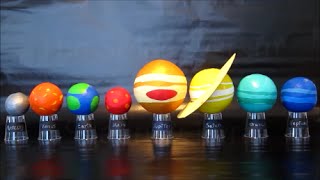
Planets In Our Solar System | DIY Science Project For Kids | Easy To Do Solar System Model
Facts about planetary science for kids
🌍 Earth is the only known planet with stable liquid water on its surface, which helps life thrive.
🔭 Astronomers have confirmed over 5,000 exoplanets—lots of strange worlds to inspire your planet design!
☁️ Venus is hotter than Mercury because its thick carbon-dioxide atmosphere creates a runaway greenhouse effect.
❄️ Scientists think extreme pressure inside Uranus and Neptune might turn carbon into diamonds that 'rain' downward.
👽 Life on Earth survives in boiling vents, acidic pools, and frozen deserts—so alien life could adapt to very weird climates.
How do I design and build a cool planet model?
What materials do I need to design and build a cool planet model?
What ages is the cool planet activity suitable for?
What are the benefits of designing a cool planet?
