Create your own spacecraft!
Design and build a model spacecraft from cardboard and recycled materials, decorate it, test balance and explain engine, crew, and solar panel functions.


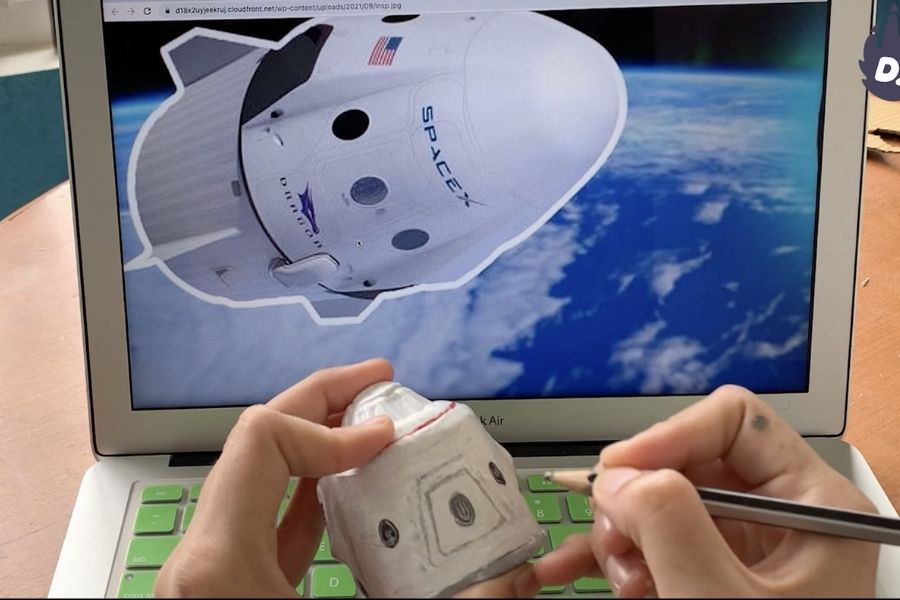

Step-by-step guide to create your own spacecraft
Step 1
Draw a simple spacecraft shape on paper.
Step 2
Label the engine the crew area and the solar panels on your drawing.
Step 3
Choose cardboard pieces that match the body and base shapes from your drawing.
Step 4
Cut out the cardboard body and base shapes.
Step 5
Pick recycled items to become the engines the crew cabin and other details.
Step 6
Attach the chosen recycled items to the cardboard body using tape or glue.
Step 7
Cut small cardboard rectangles for solar panels.
Step 8
Cover each solar panel rectangle with aluminium foil.
Step 9
Attach the foil covered solar panels to your spacecraft with tape or glue.
Step 10
Decorate the spacecraft using colouring materials and stickers.
Step 11
Place the spacecraft on a flat surface to see if it leans or tips.
Step 12
Move small weights or adjust item placement inside the craft until it sits level and stable.
Step 13
Write one sentence explanations for the engine crew and solar panel functions on small tags and tape each tag to the right part and then share your finished spacecraft on DIY.org
Help!?
What can we use if we don’t have aluminium foil or thick cardboard?
Use cereal-box or shoebox cardboard for the body and base and cover the solar panel rectangles with shiny gift wrap or metallic paper secured with clear tape instead of aluminium foil.
My spacecraft keeps tipping over — how can we fix that?
When you place the spacecraft on a flat surface and it leans, move small weights (coins or washers) into the base, shift recycled-item engines closer to the center, or add extra cardboard under the base until it sits level and stable.
How can this activity be changed for different ages?
For preschoolers, have an adult pre-cut the cardboard body and base and let them stick large recycled items and stickers, while older kids can cut precise shapes, cover solar panels with aluminium foil, balance weights, and write the one-sentence tags themselves.
How can we make the spacecraft more advanced or unique?
Enhance your craft by adding battery-powered LED lights to the recycled-item engines, making hinged solar panels with tape, painting a detailed crew area, and photographing the finished project to post on DIY.org.
Watch videos on how to create your own spacecraft
Build Your Own Moon Rover: DIY Space Exploration Project #schoolproject #sciencefairproject
4 Videos
Build Your Own Moon Rover: DIY Space Exploration Project #schoolproject #sciencefairproject
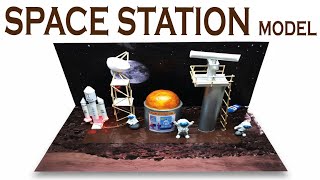
How to make a space station model school science project ! Space station school science project
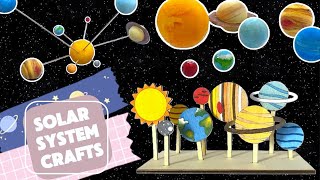
DIY Planets And Space Crafts For Kids Compilation | Make Your Own Solar System | Kids Space Facts
My Own Rocket Design: Blast Off with Your Imagination! How To Make Rockets? Rocket Science for Kids!
Facts about space engineering for kids
🚀 The Parker Solar Probe is the fastest human-made object, zooming past the Sun at over 600,000 km/h!
♻️ Recycling one ton of cardboard can save about 17 trees and a lot of energy compared to making new cardboard.
☀️ A small solar panel only a few decimeters across can produce tens to over a hundred watts in full sun — enough for many small devices!
🎯 You can find a model spacecraft's center of mass by balancing it on a pencil or your finger to check stability.
👩🚀 Lots of spacecraft are robotic — many probes and satellites fly without any crew on board.
How do you design and build a model spacecraft from cardboard and recycled materials?
What materials do I need to create a model spacecraft from recycled materials?
What ages is this spacecraft activity suitable for?
What are the benefits of making a spacecraft model with recycled materials?
