Create Your Own Color Palette
Create a personalized color palette using paints, colored pencils, or digital tools; mix colors, test swatches, and organize shades for future artwork.
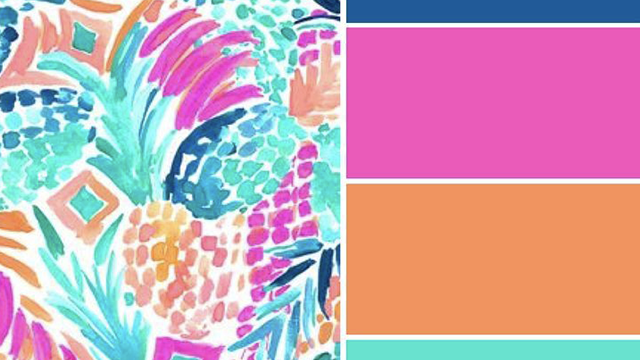
About this activity
Create a personalized color palette using paints, colored pencils, or digital tools; mix colors, test swatches, and organize shades for future artwork.
What you need
Step by step
- 1
Step 1
Clear a flat workspace and lay out all your materials so you can reach them easily.
- 2
Step 2
Choose 4 to 6 favorite base colors to build your palette around.
- 3
Step 3
Use the ruler to draw a grid of squares on your paper for making swatches.
- 4
Step 4
Fill the top row of squares with each of your base colors.
- 5
Step 5
Mix a lighter tint of each base color by adding white or more water and paint the swatch below each base.
- 6
Step 6
Mix a darker shade of each base color by adding a tiny bit of black or a darker color and paint the swatch below the tint.
- 7
Step 7
Make a muted or dusty version of each base by adding a touch of its complementary color and paint the swatch beside the others.
- 8
Step 8
Let all the swatches dry completely before you touch them.
- 9
Step 9
Label each swatch with a name and a short recipe of how you mixed it using sticky notes or a pencil under the swatch.
- 10
Step 10
Arrange the swatches into your favorite order on a clean page to create the final palette layout.
- 11
Step 11
Attach the swatches to the clean page with tape or glue so they stay organized and add a title and the date.
- 12
Step 12
Share a photo or description of your finished color palette on DIY.org so others can see your colors.
Fun facts
How do you create a personalized color palette step by step?
To create a personalized color palette, start by choosing your medium (paints, colored pencils, or a digital app). Pick 5–12 base colors and make swatches on a single sheet. Mix tints, shades, and tones by adding white, black, or complementary colors; label each swatch with notes or mixing ratios. Arrange swatches by hue or value, photograph or scan for digital reference, and store cards in a folder so the child can reuse them for future projects.
What materials do I need to make a color palette with my child?
You’ll need paints (watercolor, acrylic, or gouache) or a set of colored pencils, plus mixing tools: palette or tray, brushes or blending stumps, paper or swatch cards, pencil and eraser, labels or sticky notes, small containers for mixed colors, water, and a cloth. Optional: a color wheel, ruler, digital tablet and stylus with a painting app, and a camera or scanner to save palettes. Choose non-toxic, washable supplies for young children.
What ages is creating a color palette suitable for?
Preschoolers (3–5) can do simple swatches with close guidance; early elementary (6–8) can experiment with basic mixing and labeling; older children (9–12) can learn tint and shade theory and organize palettes; teens (13+) can explore nuanced systems and digital tools. Always supervise young children, use washable non-toxic materials, and adapt complexity to the child’s fine motor skills and attention span.
What are the benefits of making a color palette with kids?
Making a color palette teaches color theory, observation, and mixing skills while expanding vocabulary (hue, tint, value). It builds planning habits, consistency for future artwork, and confidence in color choices. The activity strengthens fine motor skills and decision-making, reduces waste by testing mixes first, and encourages documentation—useful for both traditional and digital art projects.
Watch & Learn
Need help?
I don't have paint or a ruler—what can we use instead for the swatches and grid?
If you don't have acrylic or tempera paint or a ruler, use washable markers or colored pencils to fill the swatches, and draw the grid with the straight edge of a book or a ruler substitute like a postcard, while labeling with pencil or scraps of paper instead of sticky notes.
Some swatches look muddy or keep smudging—how can we fix that?
To avoid muddy mixes and smudges, clean your brush between colors, mix small test amounts on scrap paper before painting each swatch in the grid, apply thin layers, and follow the instruction to let all the swatches dry completely before touching them.
How can we change this activity to suit younger or older kids?
For younger children (3–6) simplify by picking 3 base colors, pre-drawing larger squares with a book edge and using stickers for labels, while older kids (10+) can use 6 colors, record exact recipes on sticky notes, experiment with complementary-muted mixes, and date the palette for a portfolio.
How can we make the finished palette more special or use it for other projects?
Enhance the activity by arranging and attaching the swatches to a sturdy piece of cardboard with tape or glue, adding decorative borders and handwritten recipes when you label and date the layout, photographing the final palette to share on DIY.org, and creating a small painting using only your new palette to show how the colors work together.