Create an ingredients list for a meal you'll cook
Create an ingredients list for a simple meal you'll cook, choosing recipes, listing quantities, checking pantry items, and organizing a shopping plan.


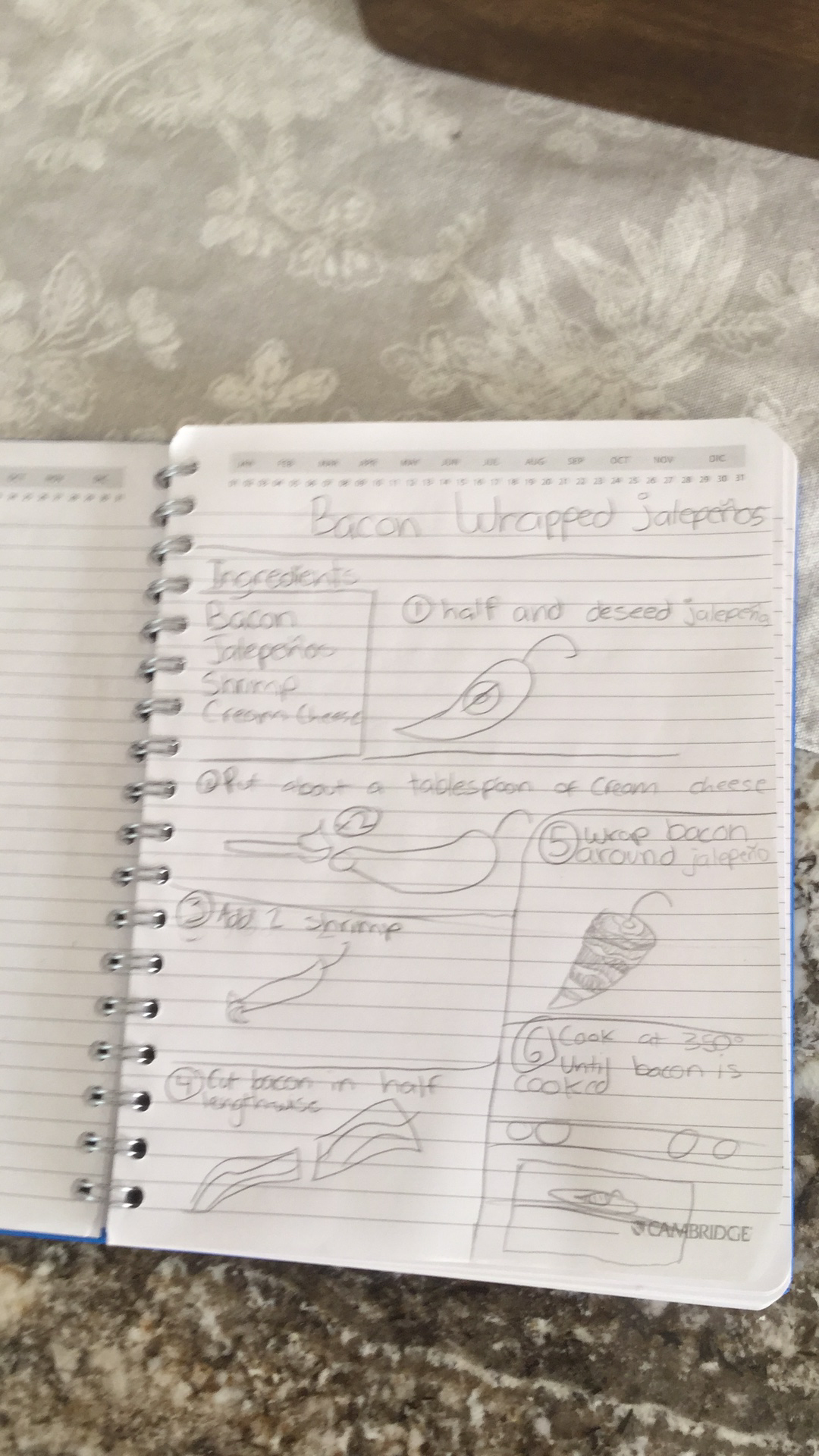

Step-by-step guide to create an ingredients list for a simple meal
Step 1
Decide what meal you want to cook tonight and write the meal name at the top of your paper.
Step 2
Choose the exact recipe(s) you will use and write each recipe name on your paper.
Step 3
Write how many people you will cook for next to each recipe name.
Step 4
Read each recipe and write down every ingredient with the quantity the recipe lists.
Step 5
Look over all ingredient lists and add up any duplicate ingredients to get one total quantity for each item.
Step 6
Walk to your pantry and fridge and check each ingredient on your list, marking items you already have.
Step 7
For each ingredient you do not have, write how much you need to buy or the package size you should get.
Step 8
Group all items you need to buy into store sections such as Produce Dairy Bakery or Pantry so shopping is faster.
Step 9
Write any special notes next to items like brand choices allergy warnings or fresh versus frozen.
Step 10
Estimate a price for each item and add the numbers to get a total shopping budget.
Step 11
Pick the day and time you will go shopping and write who will go with you.
Step 12
Share your finished ingredients list and shopping plan on DIY.org.
Help!?
What can we use instead of paper if we don't have any to 'write the meal name at the top of your paper'?
Use a smartphone or tablet notes app to type the meal name at the top and list recipe names and ingredient quantities instead of writing on paper.
How do we combine quantities when recipes use different units during the 'write down every ingredient with the quantity' and 'add up any duplicate ingredients' steps?
Convert all measurements to the same unit using an online conversion chart or kitchen scale before you add duplicate ingredients so your pantry totals are accurate.
How can we change the activity for different ages while doing steps like checking the pantry and estimating prices?
For preschoolers, let them choose the meal and stick labels on items you already have during the pantry and fridge check, while older kids can read recipes, total duplicate ingredients, estimate prices and package sizes, and prepare the shopping plan to post on DIY.org.
Any ideas to make the activity more interesting after we've grouped items into store sections and estimated a shopping budget?
Turn it into a personalized project by photographing pantry items for your list, adding brand or allergy notes next to items, creating a printable checklist sorted by store section, and comparing receipts to your estimated shopping budget after the trip.
Watch videos on how to create an ingredients list for a simple meal
Vegetable Pasta for kids | quick and easy vegetable pasta recipe for kids@Mywhitepot
4 Videos
Vegetable Pasta for kids | quick and easy vegetable pasta recipe for kids@Mywhitepot
Super Easy Vegetable Pasta Recipe | Quick Pasta Recipe | How to Make Vegetable Pasta

Easy Veg Pasta at Home | One-Pot Vegetable Pasta Recipe
How to Make the BEST Vegetables Pasta Recipe
Facts about meal planning and grocery shopping
🛒 Writing a shopping list before you go to the store makes you less likely to make impulse buys and can save money.
🍲 The word "recipe" comes from the Latin recipere, which means "to take" — recipes used to be short notes on ingredients to take.
🧑🍳 Planning meals ahead helps you use leftovers more often, which can cut food waste and stretch your ingredients.
🧾 Checking your pantry first prevents buying duplicates — many families discover they already had key items at home.
💡 Grouping your shopping list by sections (produce, dairy, grains) speeds up shopping and keeps trips organized.
How do I guide my child to create an ingredients list for a meal we'll cook?
What materials do we need to create an ingredients list and shopping plan?
What ages is this activity suitable for?
What are the benefits and safety tips for doing this ingredients-list activity with children?
