Create A Quilling Sensation
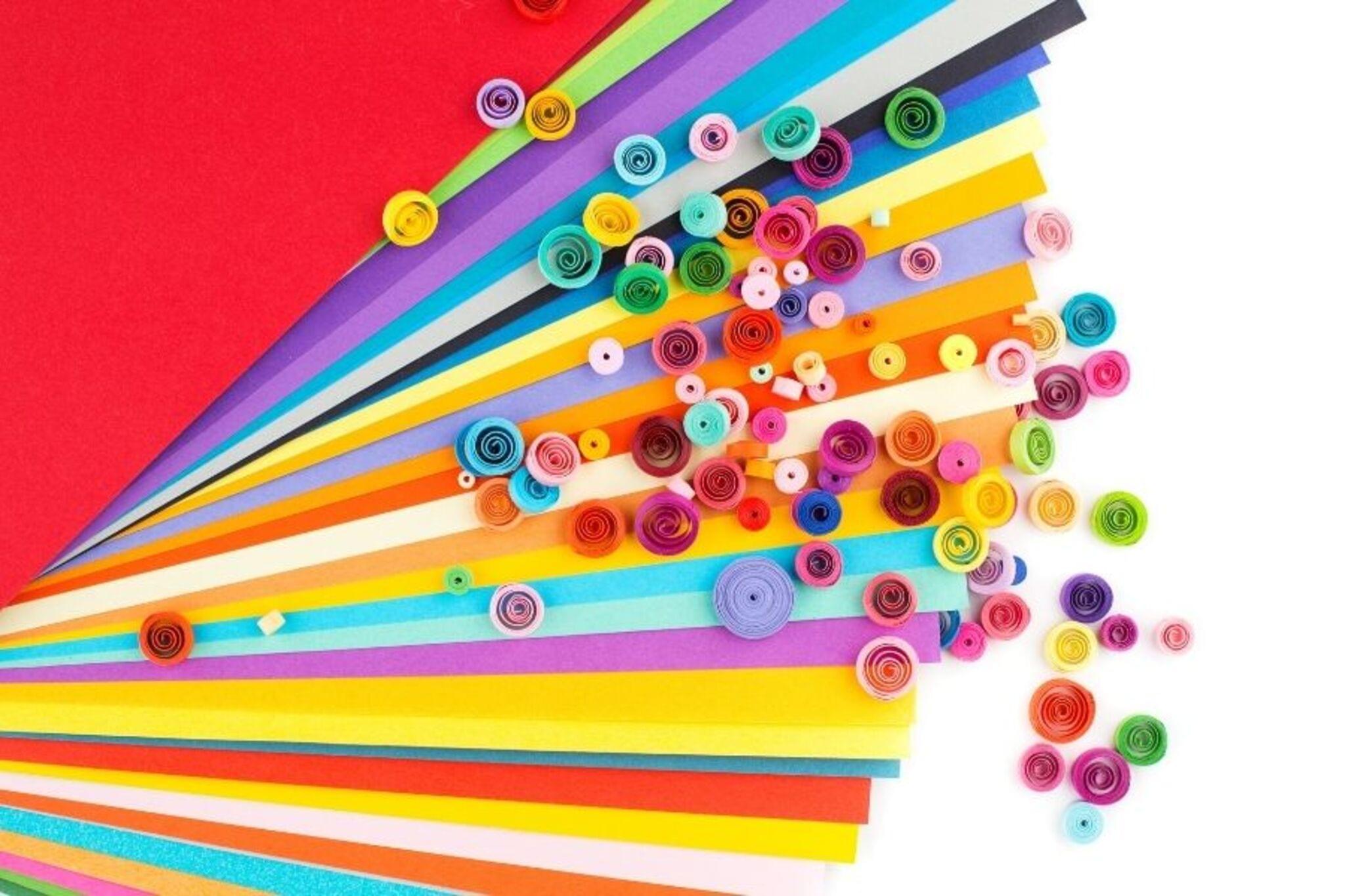
Make colorful quilled paper shapes by rolling and shaping strips, then assemble them into a decorative card or picture to learn fine motor skills.
About this activity
Make colorful quilled paper shapes by rolling and shaping strips, then assemble them into a decorative card or picture to learn fine motor skills.
What you need
Step by step
- 1
Step 1
Pick 3 to 5 bright colored paper sheets and one blank card to decorate.
- 2
Step 2
Use the ruler and pencil to draw straight lines about 1 centimeter apart on the back of a colored paper sheet.
- 3
Step 3
Cut along the pencil lines to make long paper strips about 1 centimeter wide.
- 4
Step 4
Hold one strip and wrap one end tightly around the toothpick or quilling tool to start a tight coil.
- 5
Step 5
Slide the tight coil carefully off the tool.
- 6
Step 6
Let the coil relax slightly so it opens into a loose circle.
- 7
Step 7
Secure the coil by putting a tiny dot of glue on the loose end to stick it closed.
- 8
Step 8
Pinch the glued coil on one side to make a teardrop shape or pinch both sides to make an eye shape.
- 9
Step 9
Repeat Steps 4 to 8 to make at least twelve quilled shapes in different colors.
- 10
Step 10
Arrange your quilled shapes on the blank card to plan your design without using glue.
- 11
Step 11
Glue each quilled shape onto the card to fix your planned design.
- 12
Step 12
Add finishing details or a greeting with markers or crayons.
- 13
Step 13
Let the card dry completely so all pieces stay in place.
- 14
Step 14
Share your finished quilling creation on DIY.org.
Fun facts
How do you make quilled paper shapes and assemble them into a decorative card?
Start by planning a simple design on your card. Roll strips of quilling paper tightly around a slotted tool or toothpick, then release slightly to form coils. Pinch coils into teardrops, marquise, or S-shapes. Arrange shapes on cardstock and attach each piece with a tiny dot of white craft glue. Use tweezers for precise placement, let glue dry flat under a book, and add a handwritten message once set.
What materials do I need for a quilling activity for kids?
Gather pre-cut quilling strips (3–5 mm), a slotted quilling tool or toothpicks, white craft glue, a fine-tip glue applicator or toothpick, tweezers, scissors, cardstock or blank cards, a pencil for sketching, and a flat workspace. Optional tools include a circle sizer, quilling comb, and a nonstick craft mat. For younger children, use wider strips and larger tools to make handling easier.
What ages is quilling suitable for children?
Quilling is generally suitable for children aged 6 and up who have basic fine motor control. Younger kids (4–5) can join with supervision using wider strips and simpler shapes. Adults should supervise to prevent ingestion of small pieces and assist with tight rolls or glue work. Older children and teens can handle intricate patterns and more delicate strips, progressing to advanced designs as their dexterity improves.
What are the benefits of quilling for children's development?
Quilling strengthens fine motor skills, hand-eye coordination, and pincer grip important for writing. It encourages patience, focus, and following step-by-step designs while boosting creativity and color recognition. Completing a card or picture builds pride and self-esteem. The activity also teaches planning and pattern recognition, and can be calming—useful for reducing screen time and promoting mindful, hands-on learning.
Watch & Learn
Need help?
What can we use if we don't have a quilling tool, toothpick, or a blank card?
If you don't have a quilling tool or toothpick for Step 4, use a sewing needle, thin paintbrush handle, or a knitting needle to start tight coils, and substitute a folded sheet of construction paper or a printer paper card for the blank card in Step 1.
My strips keep tearing or my coils keep unwrapping — how can I fix that?
To prevent tearing when making 1 cm strips in Steps 2–3, use a ruler as a cutting guide and sharp scissors or a paper trimmer, and if coils unravel after sliding off in Steps 4–6, hold them gently, let them relax slightly, then secure the loose end immediately with a tiny dot of glue from Step 6.
How can I adapt this project for much younger kids or for older kids who want a challenge?
For younger children have an adult pre-measure and pre-cut the 1 cm strips (Steps 2–3) and let them make simple teardrop shapes and glue them (Steps 7–10), while older kids can cut thinner strips, make more than twelve shapes, try tighter coils and complex arrangements (Steps 3–9, 11).
What are some ways to enhance or personalize the finished quilled card?
Enhance the card by mixing teardrop and eye shapes into layered flowers or animals, use metallic or patterned paper for some strips (Step 1–9), add stacked coils for dimension when gluing in Step 11, and finish with a handwritten greeting from Step 12 before sharing on DIY.org (Step 13).