Create a LEGO Pokémon
Design and build an original LEGO Pokémon model using bricks, sketching, and testing. Learn about shapes, symmetry, and creative problem solving while you build.


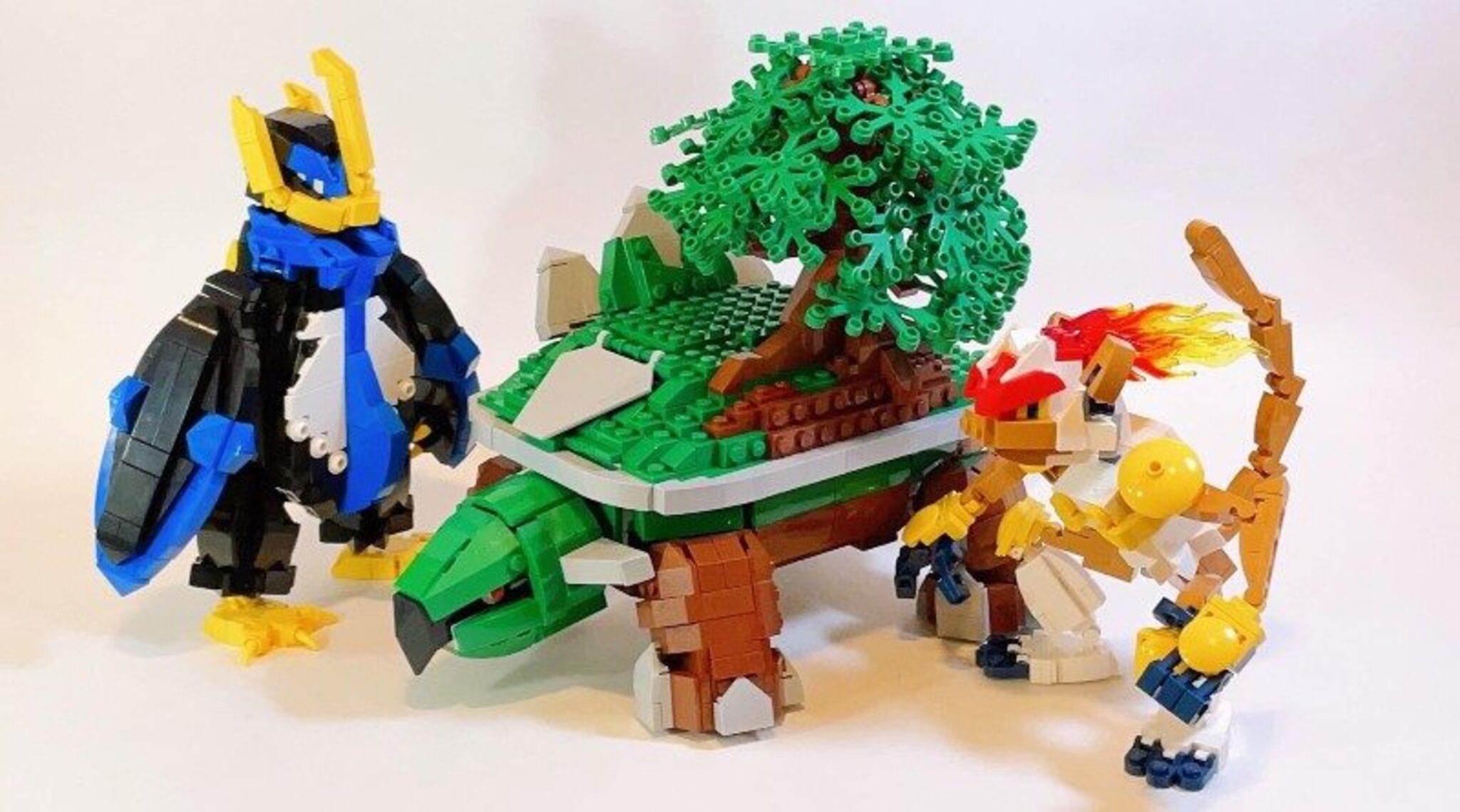

Step-by-step guide to create a LEGO Pokémon
Lego Pokemon + Instructions Part 1 - Venusaur, Charizard, and Blastoise
Step 1
Choose a flat table or floor spot to be your building area.
Step 2
Gather and place your LEGO bricks and paper on the building area.
Step 3
Decide what type of Pokémon you want to make and pick one or two special traits (for example fire type with big ears).
Step 4
Sketch a simple front view and side view of your Pokémon on the paper.
Step 5
Pick the main colours and basic shapes you will use for the body from your bricks.
Step 6
Sort your LEGO pieces into small piles by colour or shape to make building faster.
Step 7
Build a sturdy body using large plates or stacked bricks as a strong base.
Step 8
Attach legs or wheels symmetrically to the body so your Pokémon can stand or roll.
Step 9
Build and attach a head that matches your sketch and has place for eyes and mouth.
Step 10
Add special features like tails wings horns or antenna using smaller bricks.
Step 11
Test your model for balance and stability by gently nudging it and reinforce any weak spots.
Step 12
Give your LEGO Pokémon a name and write one or two sentences about its powers on your paper.
Step 13
Share your finished LEGO Pokémon on DIY.org
Help!?
What can we use if we don't have large LEGO plates, lots of small bricks, or plain paper?
If you don't have large plates or enough bricks or paper, use a flat piece of cardboard or a shoebox lid as the sturdy base called for in 'Build a sturdy body using large plates or stacked bricks,' stack Duplo or mega-blocks for the body, and substitute construction paper or a notebook page for the sketch step.
My Pokémon keeps tipping over when I nudge it — how can I fix balance and weak spots?
To stop tipping, widen and strengthen the base by adding extra large plates or stacked bricks under the body, make the legs or wheels truly symmetrical as the instructions say in 'Attach legs or wheels symmetrically,' and add extra bricks as counterweights or overlap plates to reinforce weak spots before testing again.
How can we adapt this activity for younger or older kids?
For younger builders, simplify by using big Duplo pieces, pre-sorted piles, and tracing simple shapes instead of detailed sketches, while older kids can make detailed front- and side-view plans, add movable joints, and build more complex special features like hinged wings or articulated tails as in the 'Add special features' step.
How can we make the finished LEGO Pokémon more creative or shareable?
Enhance and personalize it by creating a cardboard diorama background, using stickers or markers to add facial details, attaching battery-powered wheels for motion, and writing its name and powers on the paper before sharing on DIY.org as the final step.
Watch videos on how to create a LEGO Pokémon
LEGO Arceus MOC (Tutorial) | LEGO Pokemon
4 Videos

LEGO Arceus MOC (Tutorial) | LEGO Pokemon
How to Build Easy Lego Pokemon
Lego Pokemon + Instructions Part 22 - Donphan, Scizor, and Piloswine
How to build LEGO Pokémon (Magnemite)
Facts about LEGO building and design for kids
🧱 The modern LEGO brick design (with its studs and tubes) was perfected in 1958 and still lets pieces click together snugly after decades of play.
🐾 There are over 900 Pokémon species—plenty of inspiration for creating new, hybrid, or totally original LEGO Pokémon designs.
🎨 Many creature designs use bilateral symmetry (left/right mirror images) because our brains find symmetrical shapes familiar and friendly.
🧠 Studies show building with bricks and blocks can boost spatial reasoning and problem-solving—great practice for future engineers and designers.
✏️ Professional toy designers often sketch concepts and make quick prototypes before refining them—the same design-test-repeat process you’ll use with LEGO.
How do you design and build an original LEGO Pokémon?
What materials do I need to make a LEGO Pokémon?
What ages is the LEGO Pokémon building activity suitable for?
What are the benefits of building LEGO Pokémon?
