Create a hang-out spot for a main character in an animation
Design and build a miniature hang-out set for an animation character using a shoebox, craft materials, and props to inspire storytelling and character development.


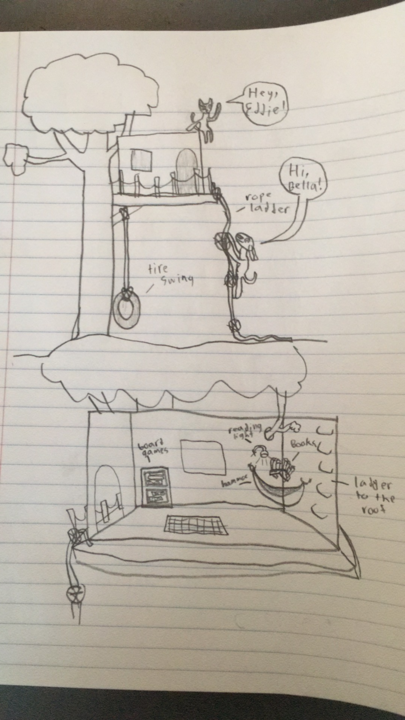

Step-by-step guide to design and build a miniature hang-out set for an animation character
Animation For Beginners | Kids Learn How To Animate | Animation Basics
Step 1
Pick your main character.
Step 2
Choose the hang-out theme for this character.
Step 3
Turn the shoebox on its side so the opening faces you.
Step 4
Remove the lid and set it aside.
Step 5
Use a pencil and ruler to lightly draw where the back wall floor and any shelves or windows will go.
Step 6
Measure and cut a piece of scrap paper or cardboard to fit the back wall.
Step 7
Attach the backdrop to the back wall with tape or glue.
Step 8
Cut cardboard pieces to make one furniture base like a couch or table.
Step 9
Fold and glue the cardboard pieces to form the furniture.
Step 10
Decorate the furniture using colouring materials and fabric scraps.
Step 11
Add small props and arrange them inside the hang-out.
Step 12
Place your character into the scene.
Step 13
Pose your character or plan a short story beat to bring the space to life.
Step 14
Share your finished creation on DIY.org
Help!?
What can I use if I don't have a shoebox or certain materials listed in the steps?
If you don't have a shoebox, use a cereal box or small moving box turned on its side and substitute construction paper or thin cardboard for the backdrop and fabric scraps for decorating the furniture while following the same measuring, cutting, and attaching steps.
My backdrop wrinkles or the furniture keeps falling over—how can I fix these problems during assembly?
Reinforce the scrap paper or cardboard backdrop with extra tape or glue to the back wall and add folded cardboard tabs or a small glue dot under the couch/table base so the folded and glued furniture stays upright when you place your character.
How can I adapt the activity for different ages or skill levels?
For younger children, pre-cut the back wall and furniture pieces and let them decorate with crayons and fabric scraps, while older kids can precisely use the ruler to draw shelves/windows, cut complex furniture shapes, and add painted or movable details.
What are easy ways to extend or personalize the hang-out for animation and sharing?
Make the scene animation-friendly by cutting a removable roof or front wall for camera access, adding small LED lights or painted mood backdrops, and creating a short scripted story beat before sharing the finished hang-out on DIY.org.
Watch videos on how to design and build a miniature hang-out set for an animation character
Get Better At Animation QUICKLY With This Exercise
4 Videos

Get Better At Animation QUICKLY With This Exercise
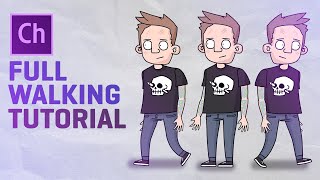
CHARACTER ANIMATOR: Full walking cartoon character tutorial
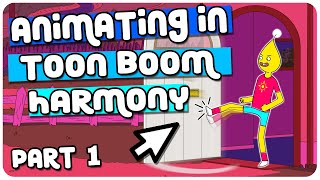
How to ANIMATE in TOON BOOM HARMONY | Tutorial | Part 1
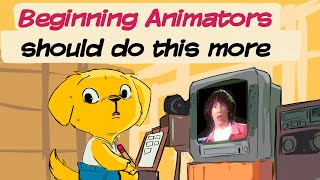
A GREAT way to learn animation AND improve drawing skills
Facts about miniature set design for animation
📦 Shoeboxes are a classic mini-stage — many animators and model-makers start projects inside a shoebox because it’s cheap and portable.
🎬 Movie-makers sometimes use tiny miniatures to film huge scenes — city skylines and space ships have been built in miniature for big films.
⏱️ Stop-motion animation usually runs at about 12–24 frames per second, so you move your character just a little for each photo to make motion!
🎨 Bright colors and strong textures read better on camera in tiny sets, helping the character pop and the scene read clearly.
🧩 Little props (a tiny mug, book, or poster) are storytelling shortcuts that instantly show a character’s hobbies and personality.
How do I design and build a miniature hang-out set for my animation character using a shoebox?
What materials do I need to make a shoebox hang-out set for an animated character?
What ages is making a miniature hang-out set suitable for?
What are the benefits of creating a miniature hang-out set for an animation character, and are there variations?
