Create a funny comic strip w/ Formalrhino40
Draw a four-panel comic strip starring Formalrhino40, invent a short joke, sketch characters, add speech bubbles, and color the panels.



Step-by-step guide to create a four-panel comic strip with Formalrhino40
How to Create a Comic Strip
Step 1
Use your ruler and pencil to draw a rectangle and divide it into four equal panels on your paper.
Step 2
Think of a short joke that can happen across four panels and write the punchline on a scrap of paper.
Step 3
On scrap paper draw four tiny thumbnail sketches that show what will happen in each panel from start to finish.
Step 4
Lightly pencil a simple Formalrhino40 character in each panel with a different pose for each moment in your thumbnails.
Step 5
Pencil any other characters and props in each panel to support the joke you planned.
Step 6
Draw speech bubbles in each panel and write short lines inside them that match your joke timing.
Step 7
Carefully trace over the final pencil lines of your characters and speech bubbles with a black marker to ink your comic.
Step 8
Let the black ink dry completely before touching the paper.
Step 9
Gently erase all the pencil marks so only your clean inked lines remain.
Step 10
Add a fun title and sign your name under the comic so everyone knows you made it.
Step 11
Color each panel using your coloring materials to make your comic bright and funny.
Step 12
Share your finished creation on DIY.org
Help!?
What can we use if we don't have a black marker, ruler, or scrap paper from the instructions?
If you don't have a black marker for step 7, use a fine-tip black pen or permanent marker, replace the ruler in step 1 with a book edge or cardboard straightedge, and use any scrap paper like the back of a used envelope or cereal-box backing for your punchline and thumbnails.
My ink smudged or erased when I tried to remove pencil—how do I prevent or fix this from the inking and erasing steps?
Prevent smudging by letting the black ink from step 7 dry completely before touching (use a hair dryer on low if needed), slide a clean scrap paper under your drawing hand while inking, and only gently erase pencil marks in step 9 after the ink is fully dry.
How can I adapt this four-panel Formalrhino40 comic activity for different age groups?
For younger kids (4–6) draw one large rectangle and pre-sketch a simple Formalrhino40 to color, for elementary kids (7–10) follow all steps with simple thumbnail sketches in step 3, and for older kids (11+) add extra panels, detailed backgrounds, and more precise inking before coloring in step 12.
What are some ways to extend, improve, or personalize the comic beyond the basic steps?
To enhance the comic, experiment with alternate punchlines on extra scrap paper, add sound-effect lettering and colored background washes when you color in step 12, personalize the title and signature in step 11, and compile several Formalrhino40 strips into a mini zine to share on DIY.org.
Watch videos on how to create a four-panel comic strip with Formalrhino40
How to Make Your Own Comic | Toontorial | @cartoonnetworkuk
4 Videos
How to Make Your Own Comic | Toontorial | @cartoonnetworkuk
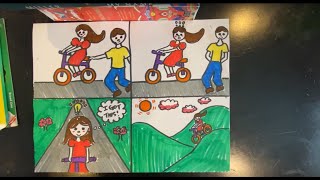
DIY Comic Strip | Visual Art | ArtistYear Create
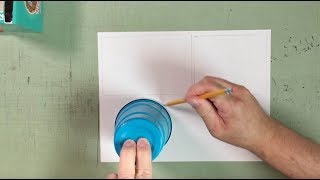
Kids Make Comics #7: Making Comic Panels
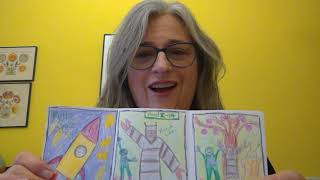
Draw Your Own Comic Strip Craft Activity
Facts about comic strips and cartooning for kids
🖼️ Yonkoma is the Japanese name for four-panel comics and often uses kishōtenketsu: intro, development, twist, conclusion.
💬 Speech balloons evolved from captions in 19th-century cartoons — different shapes and tails show talking, whispering, shouting, or thinking.
✏️ Cartoonists often build characters from simple shapes (circles, ovals, rectangles) so they're quick to sketch and consistent across panels.
🎨 Limiting your palette to 3–4 colors makes a comic bolder, easier to read, and faster to finish.
🦏 There are five living species of rhinoceros — a fun reason to give Formalrhino40 a unique horn, skin texture, or color!
How do I make a four-panel comic strip starring Formalrhino40?
What materials do I need to create a Formalrhino40 comic strip?
What ages is this Formalrhino40 comic activity suitable for?
What are the benefits of making a Formalrhino40 comic strip?
