Create a Floral Ornamental Painting
Paint a small floral ornamental picture using watercolor or acrylics, practicing brushes, color mixing, and simple patterns to create a decorative artwork.


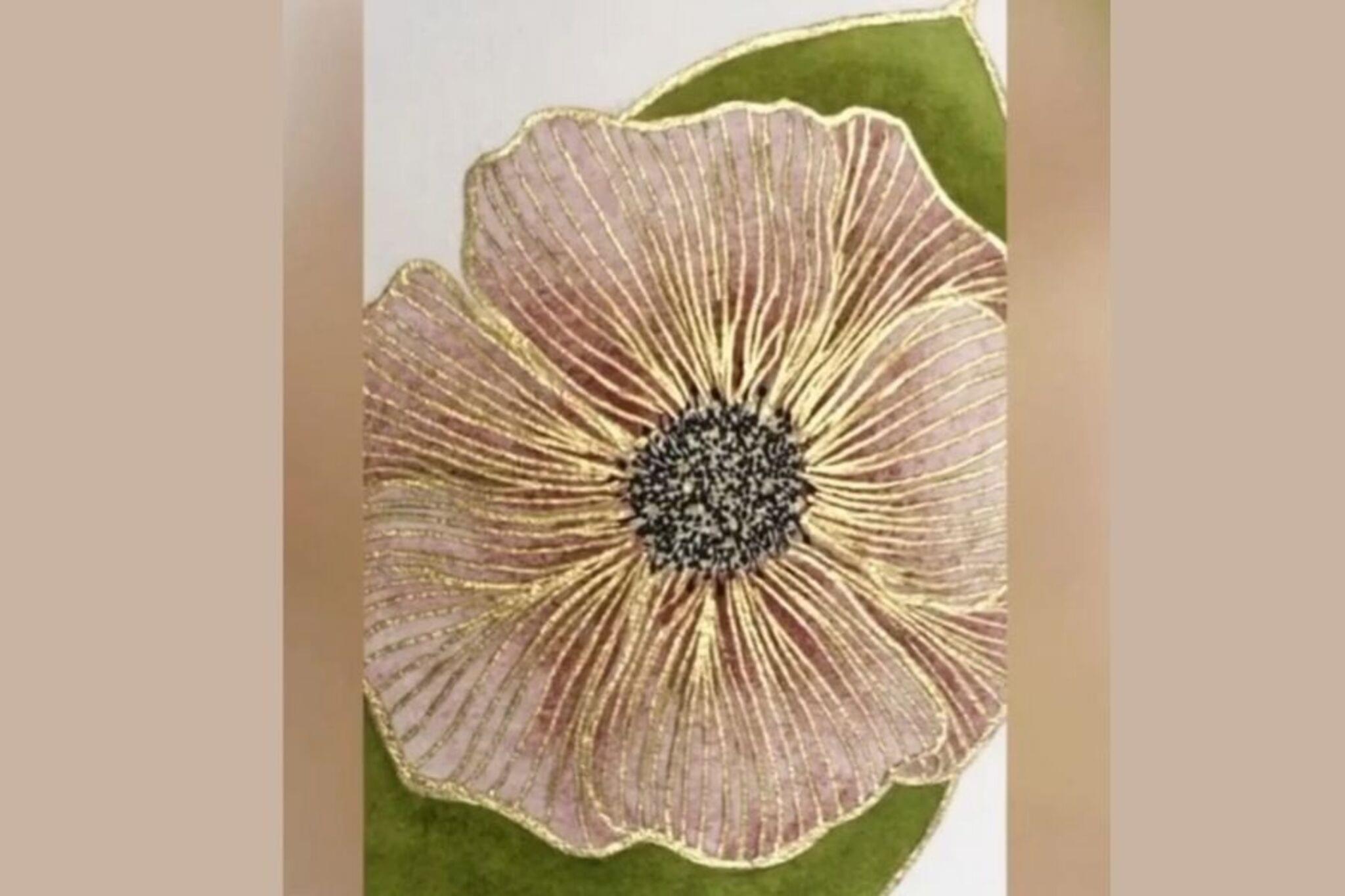

Step-by-step guide to create a floral ornamental painting
How To Draw A Kid Planting A Flower
Step 1
Gather all your Materials Needed and set them on a clean table.
Step 2
Use masking tape to make a neat border around the edges of your paper or canvas.
Step 3
Lightly sketch a simple floral ornamental layout with your pencil.
Step 4
Tear off a small piece of scrap paper and practice a few brush strokes on it.
Step 5
Mix two or three base colors on your palette to make the shades you like.
Step 6
Paint a light background wash across the taped area with a big brush.
Step 7
Wait until the background feels dry to the touch.
Step 8
Paint simple petal shapes for each flower using your medium brush.
Step 9
Paint leaves and stems around the flowers with green mixes.
Step 10
Add decorative patterns like dots lines or tiny spirals between flowers with a small brush.
Step 11
Paint bright highlights and thin outlines using a fine brush and a lighter color.
Step 12
Carefully peel off the masking tape to reveal a clean border.
Step 13
Sign your name on the corner of the painting with your pencil or a thin brush.
Step 14
Share your finished floral ornamental painting on DIY.org
Help!?
If I don't have masking tape or canvas, what can I use instead?
Use painter's tape or washi tape for the neat border in place of masking tape, and substitute heavyweight cardstock, a wooden panel, or a stretched paper pad instead of canvas as you gather all your materials.
My background wash smears when I try to paint petals — how can I fix that?
Follow the instruction to wait until the background feels dry to the touch, speed-dry gently with a hair dryer on low if needed, and practice brush strokes on the scrap paper before painting petals to avoid smearing.
How can I adapt this activity for younger or older children?
For younger kids, use washable tempera, larger brushes, and a pre-sketched floral layout to simplify the steps, while older kids can mix two or three base colors more precisely, use fine brushes for decorative dots and thin outlines, and experiment with more detailed patterns.
What are ways to enhance or personalize the floral ornamental painting?
Personalize it by adding collage bits or metallic paint for bright highlights, using stencils for extra decorative patterns between flowers, and varnishing or framing the work before signing your name and sharing on DIY.org.
Watch videos on how to create a floral ornamental painting
How to paint flowers with pastels | Art projects for kids | #doitwithdiy
4 Videos
How to paint flowers with pastels | Art projects for kids | #doitwithdiy
How To Draw Spring Blossoms - Preschool
How To Do Calligraphy | Botanical Art | Fun Activities For Kids
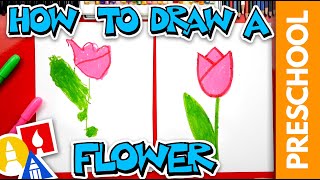
How To Draw A Flower (Tulip)- Preschool
Facts about painting techniques for kids
🎨 Watercolor painting became especially popular in Europe during the 18th century for detailed landscapes and botanical studies.
🖌️ Acrylic paint was developed in the 20th century and dries in minutes—great for quick, layered floral experiments.
🌿 Before photography, botanical illustrators combined art and science to record plant details so scientists could identify species.
🌸 Ornamental floral patterns appear in art worldwide—from Persian tiles to Japanese kimonos—showing how flowers inspire every culture.
🎛️ Learn three primary colors (red, blue, yellow) and you can mix almost any shade for petals, stems, and backgrounds.
How do I paint a small floral ornamental picture using watercolors or acrylics?
What materials do I need for a floral ornamental painting project?
What ages is floral ornamental painting suitable for and how should I adapt it?
What are the benefits, safety tips, and variations for a child’s floral ornamental painting?
