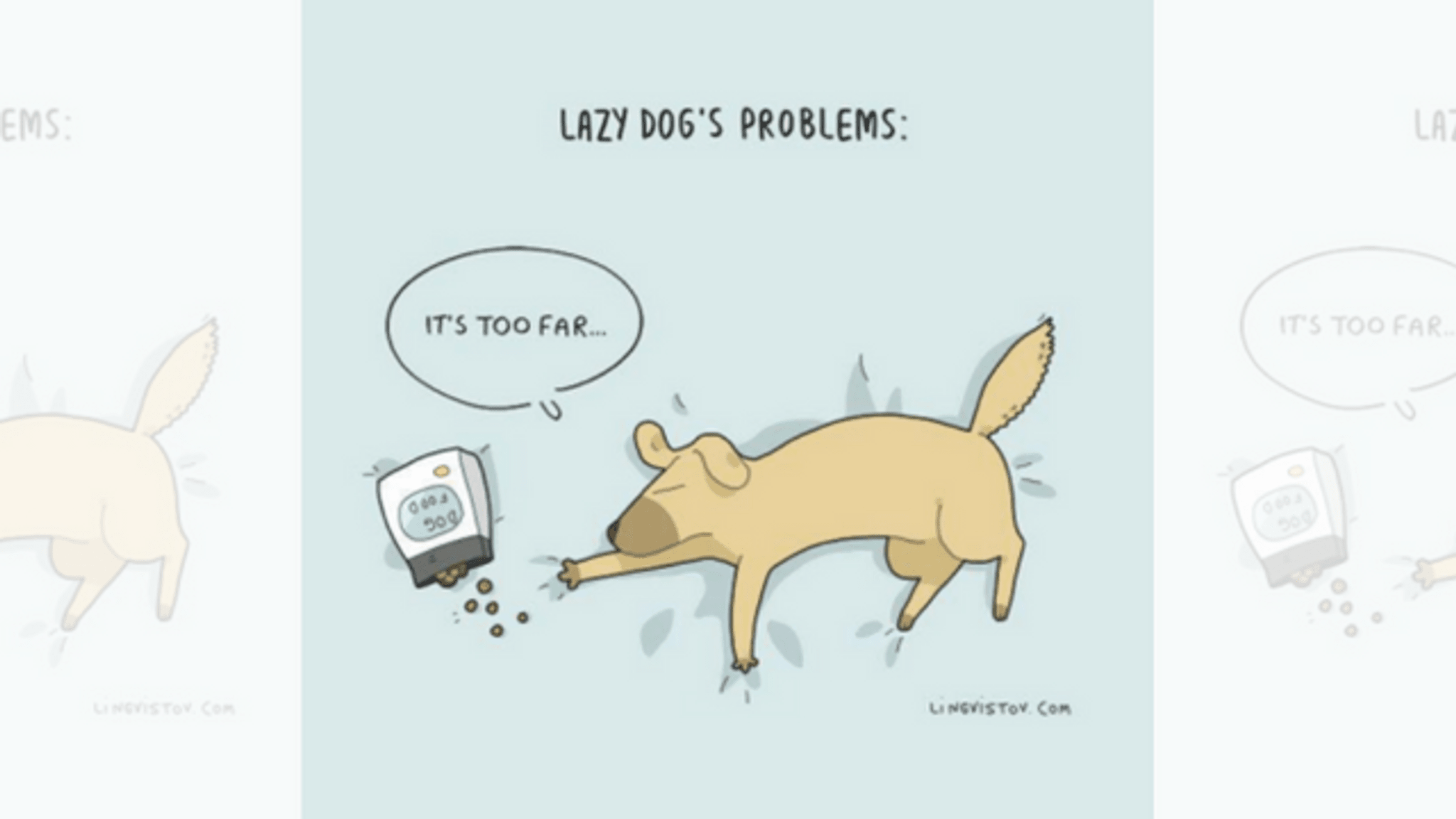
Create a Cool Comic ft. a Lazy Dog!
Draw and assemble a short comic strip starring a lazy dog, planning panels, characters, speech bubbles, and coloring to tell a funny story.
About this activity
Draw and assemble a short comic strip starring a lazy dog, planning panels, characters, speech bubbles, and coloring to tell a funny story.
What you need
Step by step
- 1
Step 1
Gather all your materials and find a flat workspace where you can draw.
- 2
Step 2
Give your lazy dog a silly name and pick one lazy habit that makes them funny.
- 3
Step 3
Think of a short funny story with a clear beginning problem a middle action and a punchline ending.
- 4
Step 4
Choose 3 to 6 panels and use your pencil and ruler to lightly draw boxes for each panel on your paper.
- 5
Step 5
Lightly sketch your lazy dog in each panel showing what they do for that part of the story.
- 6
Step 6
Add any other characters and simple background items in each panel that help tell the joke.
- 7
Step 7
Draw speech bubbles and short captions in pencil for what your characters say or think.
- 8
Step 8
Add a big comic title at the top and sign your name in a corner with pencil.
- 9
Step 9
Carefully trace over your final lines and speech bubbles with your black pen or marker.
- 10
Step 10
Wait until the ink is completely dry so it won’t smudge.
- 11
Step 11
Erase the pencil lines gently leaving your inked drawing clean.
- 12
Step 12
Color your comic using your coloring materials to make the scenes pop.
- 13
Step 13
Cut out panels and tape or glue them onto a fresh sheet if you want to rearrange or make a special layout.
- 14
Step 14
Share your finished comic starring your lazy dog on DIY.org
Fun facts
How to make a short comic starring a lazy dog
To make a short comic starring a lazy dog, start by brainstorming a simple gag: the setup, twist, and punchline. Sketch a thumbnail storyboard with 3–6 panels to plan timing and camera angles. Draw the lazy dog and any side characters in each panel, add speech bubbles and sound effects, then ink or darken outlines. Erase pencil marks, color or shade, arrange panels into a strip, and scan or photograph to share.
Materials needed to create a lazy dog comic strip
You’ll need paper (A4 or a comic-strip template), pencils, eraser, fine-tip black pen for inking, ruler, colored pencils or markers, and a pencil sharpener. Optional supplies: scrap paper for thumbnails, stickers, scissors and glue to arrange panels, tracing paper or lightbox, and a tablet with a drawing app for digital comics. Keep water-based markers and supervise small items around young children.
What ages is making a lazy dog comic suitable for?
Suitable for ages about 5–12 with adaptations: preschoolers (4–5) can make sticker or stick-figure strips using preprinted panels and adult help. Ages 6–9 can plan simple 3–6 panel stories, write short captions, and color independently. Ages 10–12 can refine lettering, design more complex jokes, and try digital tools. Supervise scissors, small parts, or hot tools and assist with spelling for younger kids.
Benefits of making a lazy dog comic (and fun variations)
Creating a lazy dog comic builds storytelling, sequencing, and fine-motor skills while boosting creativity and confidence. Writing captions improves vocabulary and narrative thinking; drawing characters fosters observation and character design. It supports cooperative play—kids can swap panels—or quiet solo focus. Try variations like a silent pantomime strip, a flipbook, collaborative class comics, or textured collages using recycled materials to keep the activity fresh and engaging.
Watch & Learn
Need help?
What can I use if I don't have a black pen, ruler, or fancy coloring supplies listed in the instructions?
Use a dark ballpoint pen or a sharpened pencil to trace final lines for the 'Carefully trace over your final lines' step, a straight book edge or cardboard as a ruler for 'Choose 3 to 6 panels', and crayons, colored pencils, or cut colored paper for the 'Color your comic' step.
My ink keeps smudging or pencil lines won't erase cleanly—what should I do?
If ink smudges after 'Carefully trace over your final lines', let the ink dry completely and rest your hand on scrap paper while working, then use a soft eraser gently during the 'Erase the pencil lines' step to avoid smears.
How can I adjust this comic activity for younger or older kids?
For younger kids, do 3 large panels with pre-drawn boxes and thick markers for 'Lightly draw boxes' and 'Color your comic', while older kids can write a longer joke, add detailed backgrounds and speech bubbles in 'Add any other characters' and 'Draw speech bubbles', and cut/rearrange panels as in 'Cut out panels and tape or glue them'.
How can we extend or personalize the comic after finishing it?
Turn your panels into a mini-book by gluing them onto folded paper, add fabric or stickers to 'Add any other characters and simple background items', write a funny author blurb near 'sign your name', or photograph panels to make a flipbook or short animation to share on DIY.org.