Cook a hot main dish
Cook a simple stovetop pasta main dish with tomato sauce, vegetables, and cheese, practicing measuring, chopping with adult supervision and safe heat use.


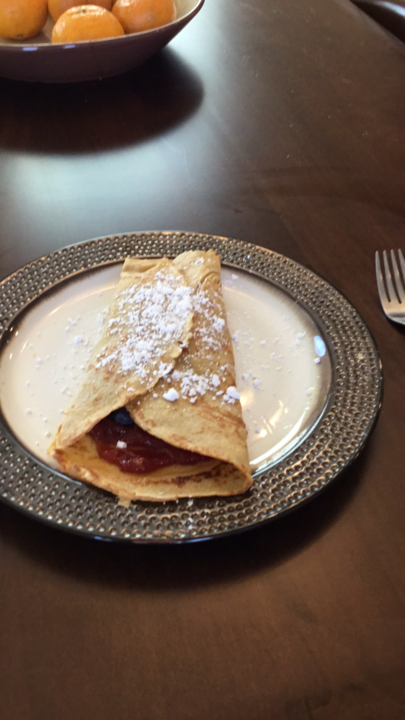

Step-by-step guide to cook a simple stovetop pasta main dish with tomato sauce, vegetables, and cheese
Food Safety & Hygiene for Kids! | Food Safety for Kids
Step 1
Gather all Materials Needed and place them neatly on the counter so you can reach everything easily.
Step 2
Fill the pot halfway with water and put it on the stove.
Step 3
Add one teaspoon of salt to the water.
Step 4
With an adult, turn the stove to high and bring the water to a rolling boil.
Step 5
Measure the pasta portion using the measuring cup.
Step 6
With an adult, carefully add the measured pasta to the boiling water.
Step 7
Set a kitchen timer for the cooking time shown on the pasta package.
Step 8
Wash all the vegetables and the onion under cold running water.
Step 9
With adult supervision, chop the onion garlic and vegetables on the cutting board.
Step 10
With an adult, heat one tablespoon of olive oil in the saucepan over medium heat.
Step 11
Add the chopped onion and garlic to the saucepan and sauté until they become soft.
Step 12
Add the chopped vegetables to the saucepan and cook until they become tender.
Step 13
Pour the canned tomato sauce into the saucepan and simmer for a few minutes to warm and blend flavors.
Step 14
With an adult, drain the cooked pasta using the colander and then add the drained pasta to the saucepan and stir to coat evenly before sprinkling grated cheese on top.
Step 15
Share your finished creation on DIY.org.
Help!?
What can we use if we don't have canned tomato sauce, a measuring cup, or a colander?
If you don't have canned tomato sauce, simmer crushed or fresh tomatoes in the saucepan as in the Pour the canned tomato sauce step; substitute a kitchen scale or a marked scoop for the measuring cup when measuring pasta; and drain pasta by carefully tipping the pot while holding the lid or using a slotted spoon instead of a colander.
My pasta keeps sticking or the sauce tastes bland — what common mistakes should we watch for and how do we fix them?
Prevent sticking by adding the measured pasta to a rolling boil of salted water and stirring right after adding, avoid burning by sautéing the chopped onion and garlic over medium heat until soft, and improve bland sauce by simmering the canned tomato sauce with salt, herbs, or a pinch of sugar before stirring in the drained pasta.
How can I adapt this recipe for different ages of children?
Let toddlers help gather materials and wash vegetables and have preschoolers sprinkle grated cheese, let school-age kids measure pasta, set the kitchen timer, and stir the sauce, and let teens work with an adult to chop ingredients, heat oil in the saucepan, sauté, and drain the cooked pasta.
How can we customize or extend this dish to make it more interesting or personal?
Extend the recipe by adding cooked proteins (like diced chicken or beans) to the saucepan, mixing in fresh herbs or red pepper flakes when you pour the canned tomato sauce, roasting or varying the chopped vegetables before adding them, trying different grated cheese on top, and having the child photograph the finished creation to share on DIY.org.
Watch videos on how to cook a simple stovetop pasta main dish with tomato sauce, vegetables, and cheese
4 Cooking Skills Every Kid Should Know - Basic Cooking Skills for Kids
4 Videos
4 Cooking Skills Every Kid Should Know - Basic Cooking Skills for Kids
How to Teach Kids Stove and Oven Safety
Kitchen Safety Tips: 10 Kitchen Cooking Safety Do's and Don'ts

6 EASY DINNER RECIPES FOR KIDS TO HELP YOU MAKE!
Facts about cooking and kitchen safety for kids
🍝 There are hundreds of pasta shapes — different shapes hold sauce in different ways!
🍅 Botanically, a tomato is a fruit (a berry), but in cooking it's treated like a vegetable.
🧀 Cheeses behave differently when heated: high-moisture cheeses like mozzarella melt gooey, while aged cheeses like Parmesan lend sharp flavor but stay crumbly.
🔪 A sharp knife is safer than a dull one because it needs less force and is less likely to slip.
🌡️ Water boils at 100°C (212°F) at sea level — at higher altitudes it boils at lower temperatures, which can change cooking times.
How do I cook a simple stovetop pasta main dish with tomato sauce, vegetables, and cheese with my child?
What materials and ingredients do I need to make stovetop pasta with a child?
What ages is cooking a stovetop pasta dish with supervision suitable for?
What safety tips and precautions should we follow when a child helps cook stovetop pasta?
