Construct an ant farm
Build an ant farm using a clear jar or container, sand or soil, and ants to observe tunneling, care, and ant behavior with adult help.


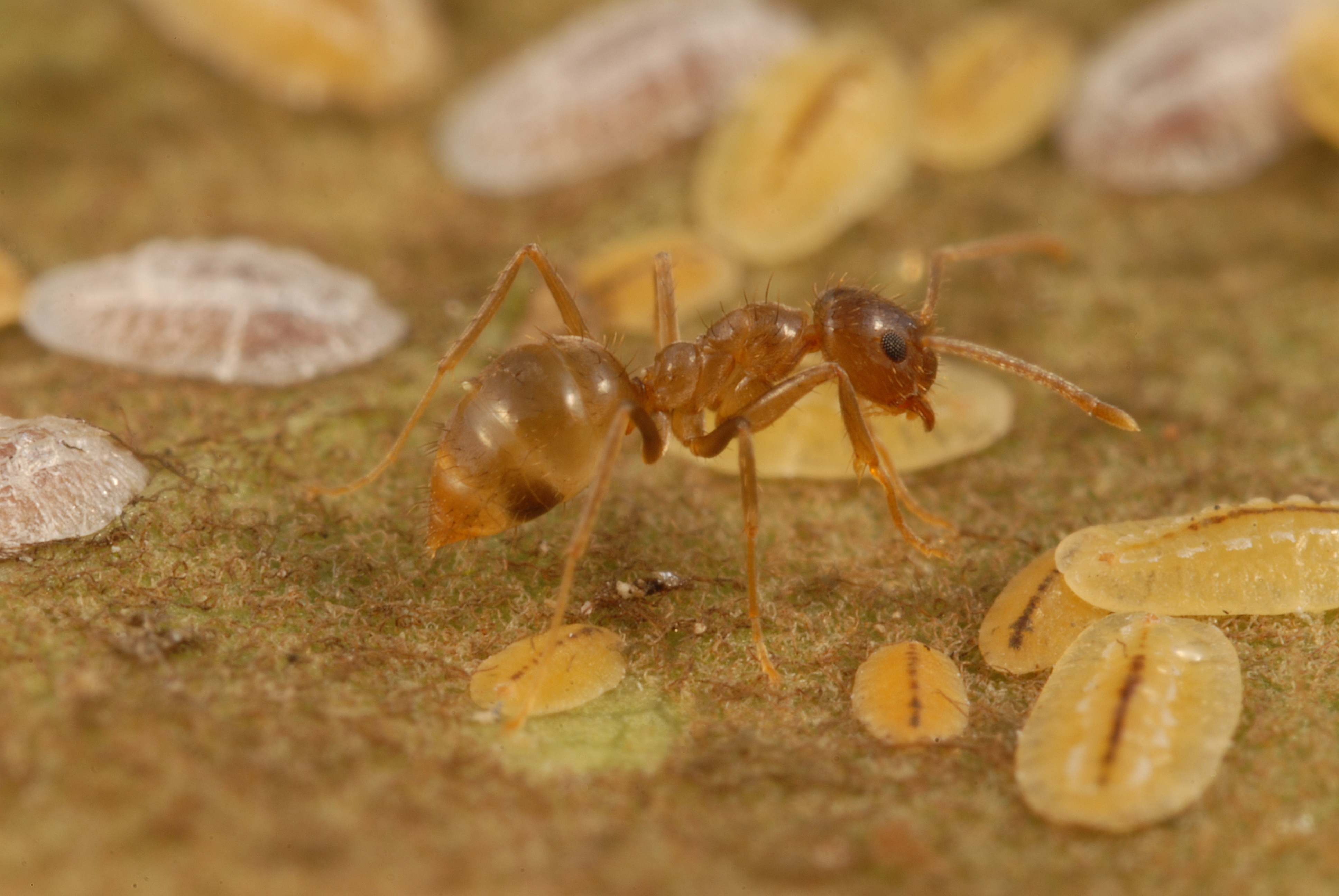

Step-by-step guide to construct an ant farm
Ants for Kids | Educational Show For Kids
Step 1
Wash the clear jar and lid so they are clean.
Step 2
Pour a 1-2 cm layer of pebbles into the bottom of the jar for drainage.
Step 3
Pour sand or clean soil into the jar to make a 4-6 cm layer.
Step 4
Gently press the sand down so it is firm and level.
Step 5
Push a few twigs or leaves into the sand for hiding spots.
Step 6
Use a small stick or straw to make tunnels and small chambers in the sand.
Step 7
Lightly moisten a cotton ball and tuck it into one corner for humidity.
Step 8
Place a tiny shallow dish with a few drops of sugar water or a small crumb of fruit on the sand for food.
Step 9
With adult supervision gently collect a small group of worker ants using a spoon or small jar and avoid taking any queen.
Step 10
Carefully tip the ants into the farm opening and let them walk onto the sand.
Step 11
Cover the jar with a breathable mesh or coffee filter.
Step 12
Fasten the mesh or filter with a rubber band so air can get in but ants cannot escape.
Step 13
Observe the ants for 10-15 minutes and watch where they start tunneling.
Step 14
Check the farm every day and give tiny drops of water or a bit of food as needed and release the ants back outside after one to two weeks with adult supervision.
Step 15
Share a photo of your finished ant farm and what you observed on DIY.org.
Help!?
What can we use instead of a clear glass jar if we can't find one?
Use a clear plastic food container or a cleaned clear PET bottle with the lid removed and follow the same steps, covering the opening with breathable mesh or a coffee filter fastened with a rubber band as described.
My sand keeps collapsing when I make tunnels — what should I do differently?
Make sure you pressed the sand firmly and level after pouring the 4–6 cm layer and consider packing it a bit tighter or slightly moistening with the lightly moistened cotton ball before making tunnels with a stick or straw.
How can I adapt this ant farm for younger children or older kids?
For younger kids have an adult pre-wash the jar, pour pebbles and sand, and let them press sand and add twigs while observing briefly, and for older kids let them create tunnels with a straw, measure and record tunnel growth daily, and post observations and photos on DIY.org.
How can we extend or personalize the ant farm once it's set up?
Personalize by layering colored sand before pressing, add a small magnifying lens to the jar, set up a smartphone time-lapse while you observe tunneling, or connect two jars with a sealed tube and compare ant behavior, then share photos and notes on DIY.org.
Watch videos on how to construct an ant farm
The Story of the Ant Hill - Values for Kids - Learning insects for kids
4 Videos
The Story of the Ant Hill - Values for Kids - Learning insects for kids
A Natural Way to Get Rid of Ants in Your House

Ants Won't Come Near Your House If You Keep This

Natural Ways to Get Rid of Ants in House Permanently
Facts about entomology for kids
🐜 Ants can lift about 10–50 times their own body weight — that’s like a kid lifting a car!
🏠 Some ant colonies contain millions of ants working together as one super-organism.
👃 Ants 'smell' with their antennae and leave chemical trails so nestmates can find food.
🍄 Leafcutter ants are farmers: they cut leaves to grow fungus gardens they eat.
🧪 Myrmecology is the science of studying ants — researchers learn about teamwork, tunnels, and behavior.
How do I build an ant farm at home to observe tunneling and ant behavior?
What materials do I need to construct an ant farm?
What ages is making an ant farm suitable for?
What are the safety and ethical tips for keeping an ant farm?
