Compare your saturation
Create color swatches by diluting paints or inks, compare saturation levels across samples, record differences, and learn how adding water reduces color intensity.


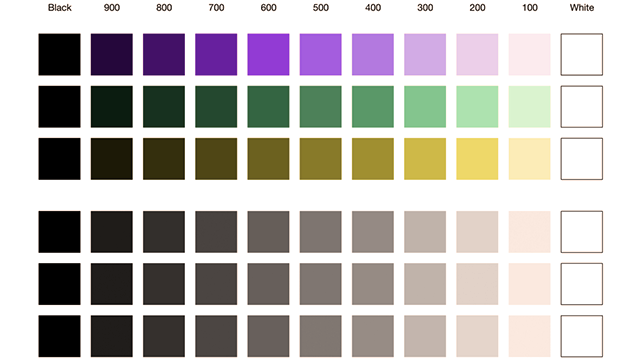

Step-by-step guide to compare your saturation
Step 1
Gather all materials and put them on a flat table where you can work comfortably.
Step 2
Use the pencil and ruler to draw five equal rectangles in a row on the paper and write the numbers 0 1 2 3 4 above them.
Step 3
Line up five small cups and write the matching numbers 0 1 2 3 4 on each cup so they match the paper.
Step 4
Use the dropper to add exactly four drops of the same paint color into each of the five cups.
Step 5
Add water to each cup to make a dilution series: cup 0 add 0 teaspoons cup 1 add 1/4 teaspoon cup 2 add 1/2 teaspoon cup 3 add 1 teaspoon cup 4 add 2 teaspoons.
Step 6
Stir each cup with the stir stick until the paint and water look evenly mixed.
Step 7
Dip the brush into cup 0 and paint the rectangle labeled 0 with one even coat.
Step 8
Rinse the brush in clean water and blot it on the paper towel until most paint is gone.
Step 9
For cups 1 2 3 and 4 in order dip the brush paint the matching rectangle then rinse and blot the brush between each cup.
Step 10
Look closely and write one short sentence under each rectangle in your notebook describing how strong or pale the color looks (for example "very bright" or "very pale").
Step 11
Take a photo or describe your color swatch series and share your finished creation on DIY.org
Help!?
What can we use instead of the dropper or small numbered cups if we don't have them?
If you don't have a dropper, use a clean medicine syringe or a small spoon to add four equal paint drops, and if you lack small cups use labeled yogurt pots or muffin tin wells so you can still line up five containers numbered 0–4.
My diluted paints look uneven or speckled after stirring — what should I do?
If the paint and water don't look evenly mixed after step 6, keep stirring each cup with the stir stick for at least 30 seconds and scrape the sides so the four-drop paint from step 5 fully disperses, then let the cup sit a minute before painting the matching rectangle.
How can we adapt this activity for younger kids or older children?
For preschoolers, pre-measure the water amounts from step 5 into the five numbered cups and give them a large brush to paint the rectangles and draw a picture instead of writing sentences, while older kids can use smaller teaspoons, record exact measurements in the notebook, and photograph the swatches for DIY.org.
How can we extend the project to learn more about color?
To extend the activity, repeat steps 5–9 with additional paint colors in new rows of five rectangles, compare the saturation sentences you wrote under each rectangle, and take photos to overlay swatches in an editing app to study how different pigments change with the same teaspoon dilutions.
Facts about color mixing and painting for kids
🎨 Diluting paint with water lowers saturation (how vivid a color looks) without usually changing the hue — it just appears paler.
💧 Watercolor artists build strong-looking colors by glazing thin, transparent layers rather than using thick paint.
🔬 Some pigments, like phthalo blue, have high tinting strength so they stay vivid even when heavily diluted.
👀 People are more likely to notice saturation changes in mid-brightness colors than in very dark or very light shades.
📐 The Munsell color system measures saturation as "chroma," separating it from hue (color) and value (lightness).
How do you do the 'Compare your saturation' color swatch activity?
What materials do I need for the color saturation swatch activity?
What ages is this color saturation activity suitable for?
What are the benefits of comparing color saturation with swatches?
