Build a person using LEGO®
Build a detailed LEGO person using bricks, plates, and accessories while planning proportions, choosing colors, adding movable limbs, and personalizing facial features.


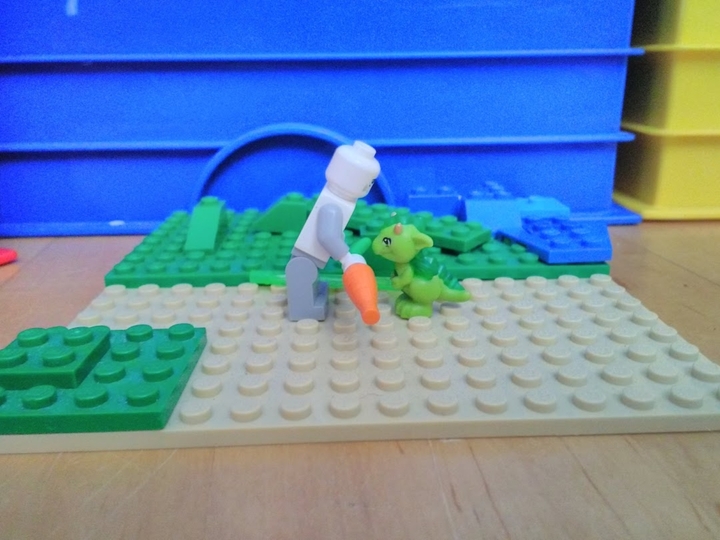

Step-by-step guide to build a detailed LEGO person
How to Build EASY Characters out of LEGO Bricks!
Step 1
Choose the height and overall style for your LEGO person such as realistic tall or short or a cartoony character.
Step 2
Pick 2 to 4 main colors for skin clothes and hair to use across your build.
Step 3
Gather the bricks plates hinge or clip pieces and accessories you will need and put them within reach.
Step 4
Build a sturdy torso by stacking plates and bricks until it matches the size you planned.
Step 5
Add a waist or hip section using a flat plate or small bricks that will connect the legs to the torso.
Step 6
Build two legs of the same length and include a hinge or clip at the top of each leg for movement.
Step 7
Attach both legs to the waist using the hinges or clips so the legs can swing.
Step 8
Build two arms using plates or stacked bricks and add hinge or clip connectors for the shoulders.
Step 9
Attach the arms to the torso with the hinge or clip pieces so the arms can move.
Step 10
Construct the head by stacking round or square bricks until it looks balanced with the torso.
Step 11
Personalize the face by adding eyes mouth eyebrows or a nose using small tiles tiny bricks or printed pieces.
Step 12
Add hair a hat and other accessories like backpacks tools or props to show your person’s personality.
Step 13
Test each joint by gently moving the arms and legs to check they are movable.
Step 14
Tighten or rebuild any loose connections so your LEGO person is sturdy and can hold poses.
Step 15
Share your finished LEGO person on DIY.org
Help!?
What can I use if I don’t have hinge or clip pieces, tiny tiles, or printed pieces?
If you don't have hinge or clip pieces, substitute Technic pins, jumper plates, or tightly stacked plates to make movable joints, and swap tiny tiles or printed pieces for 1x1 round/square bricks or stickers when you personalize the face.
My LEGO person keeps falling apart or the legs won't swing—how can I fix it?
If connections are loose or legs won't swing, reinforce the step 'Build a sturdy torso' by adding overlapping plates or longer bricks across seams, replace weak clips with sturdier hinge pieces, double-check that you 'Build two legs of the same length', and then 'Test each joint' again.
How can I adapt this activity for different age groups?
For preschoolers use larger Duplo bricks and make fixed limbs instead of using hinge or clip pieces, for early elementary follow all steps with basic hinges and color choices, and for older kids add small tiles, printed pieces, and more complex hinge assemblies for extra poseability.
What are some ways to extend or personalize the LEGO person once it's built?
Extend the project by building interchangeable outfits and accessory sets as in 'Add hair a hat and other accessories', keeping the same palette from 'Pick 2 to 4 main colors' for a themed group, and mounting figures on labeled baseplates for display and sharing on DIY.org.
Watch videos on how to build a detailed LEGO person
Learn How to Make a Lego Person using Tinkercad
3 Videos
Learn How to Make a Lego Person using Tinkercad

Building an EPIC Custom LEGO Minifigure From Scratch!

LEGO BUILDS you can use in REAL LIFE...
Facts about LEGO building and design for kids
🧱 Over 600 billion LEGO bricks have been produced since the company began making the classic interlocking brick.
👨👩👧👦 The LEGO minifigure was introduced in 1978 and has since appeared in thousands of different outfits and faces.
📏 Artists and builders often plan human proportions using "head units" — a typical adult figure is about 7.5–8 heads tall.
🎨 LEGO has produced more than 60 official brick colors, so you can mix and match exact shades for skin, hair, and clothes.
🎬 Fans create "brickfilms" using posable LEGO figures for stop-motion animation — some have millions of views online.
How do I build a detailed LEGO person with movable limbs and personalized facial features?
What materials and LEGO pieces do I need to build a detailed LEGO person?
What ages is building a detailed LEGO person suitable for?
What are the benefits of building a detailed LEGO person?
