Brainstorm with friends
Gather friends to brainstorm new invention ideas, write them on sticky notes, discuss and vote on favorites, then sketch and build a simple prototype.


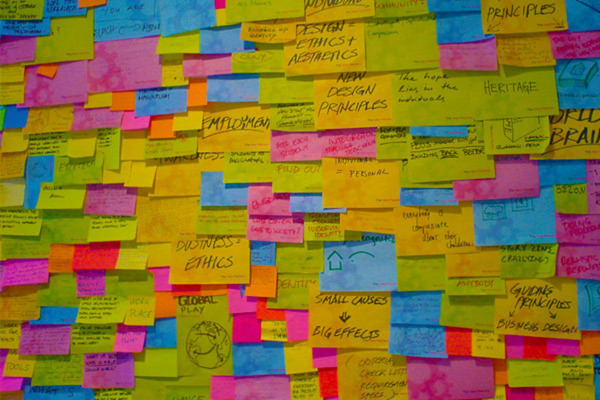

Step-by-step guide to brainstorm invention ideas with friends and build a simple prototype
How to Make Friends for Kids | It's Easy With Twinkl | Twinkl USA
Step 1
Invite 3 to 5 friends to join your invention team.
Step 2
Choose a clear workspace where everyone can reach the sticky notes.
Step 3
Collect the materials from the list.
Step 4
Set a 15-minute timer for the brainstorm.
Step 5
Write one invention idea on each sticky note until the timer ends.
Step 6
Stick all the notes onto a wall or table where everyone can see them.
Step 7
Take turns reading each sticky note out loud.
Step 8
After each idea is read say one reason you like it.
Step 9
Give each person three stickers or tokens to use for voting.
Step 10
Place your stickers or tokens on the ideas you like best.
Step 11
Count the stickers on each idea.
Step 12
Choose the idea with the most stickers to build.
Step 13
Each person makes a quick sketch of the chosen idea on paper.
Step 14
Build a simple prototype using cardboard tape scissors and recyclables.
Step 15
Share your finished creation on DIY.org.
Help!?
If we can't find sticky notes, stickers, or enough cardboard, what can we use instead for the 'write one invention idea on each sticky note' and prototype steps?
Use index cards or squares of printer paper taped to the wall for the 'write one invention idea' step, use coins, buttons, or drawn checkmarks if you don't have stickers or tokens for voting, and substitute cereal boxes, milk cartons, or folded paper instead of large sheets of cardboard when you 'Build a simple prototype using cardboard tape scissors and recyclables.'
What should we do if the 15-minute brainstorm isn't producing many ideas or the prototype keeps falling apart during building?
If ideas stall during the 15-minute timer, switch to a quick round-robin where each person must name one idea while a partner writes it on a sticky note, and if the prototype falls apart reinforce weak joints with extra tape or folded cardboard supports while you 'Build a simple prototype using cardboard tape scissors and recyclables.'
How can we change the activity for different ages while still following the steps like voting and sketching?
For preschoolers shorten the timer to 5–7 minutes and have adults write ideas and place stickers for them, for elementary kids use the full 15 minutes with simple sketches and basic scissors/tape building, and for teens add constraints (e.g., only recyclables) and require a labeled sketch before building and posting on DIY.org.
How can we make the invention project more creative or personalized after choosing the winning idea and building a prototype?
Enhance the activity by assigning roles (timekeeper, reader, builder), picking a theme before the 15-minute brainstorm, decorating the prototype with markers or paint, writing a one-paragraph description to upload with the photo on DIY.org, and running a second round to iterate on the chosen idea with different recyclables.
Watch videos on how to brainstorm invention ideas with friends and build a simple prototype
Brainstorming - practice brainstorming with kids to enhance their thinking capabilities.
4 Videos
Brainstorming - practice brainstorming with kids to enhance their thinking capabilities.
Brainstorming Writing Ideas Day 1

How To Brainstorm Story Ideas in 6 Steps (With Examples) 💭

How Do Siblings Brainstorm Creative Project Ideas? - Sibling Harmony Hub
Facts about design thinking for kids
🧠 Brainstorming was popularized by advertising executive Alex F. Osborn in the 1940s to help teams generate lots of ideas quickly.
🗒️ Sticky notes came from 3M in the 1970s — Spencer Silver made the low-tack adhesive and Art Fry turned it into the Post-it we use today.
✍️ Quick sketches help teams explore many ideas fast — designers often sketch dozens of options before building one.
🤝 Dot-voting or silent idea-writing plus group discussion helps teams pick the most promising inventions fairly and quickly.
🛠️ Low-tech prototypes (cardboard, tape, clay) are powerful — even the Wright brothers built many small prototypes while learning to fly.
How do I run a brainstorm and prototype session with friends for kids?
What materials do I need to brainstorm invention ideas with sticky notes and build a simple prototype?
What ages is a group brainstorming and prototyping activity suitable for?
What are the benefits of having kids brainstorm inventions, vote, sketch, and build prototypes?
